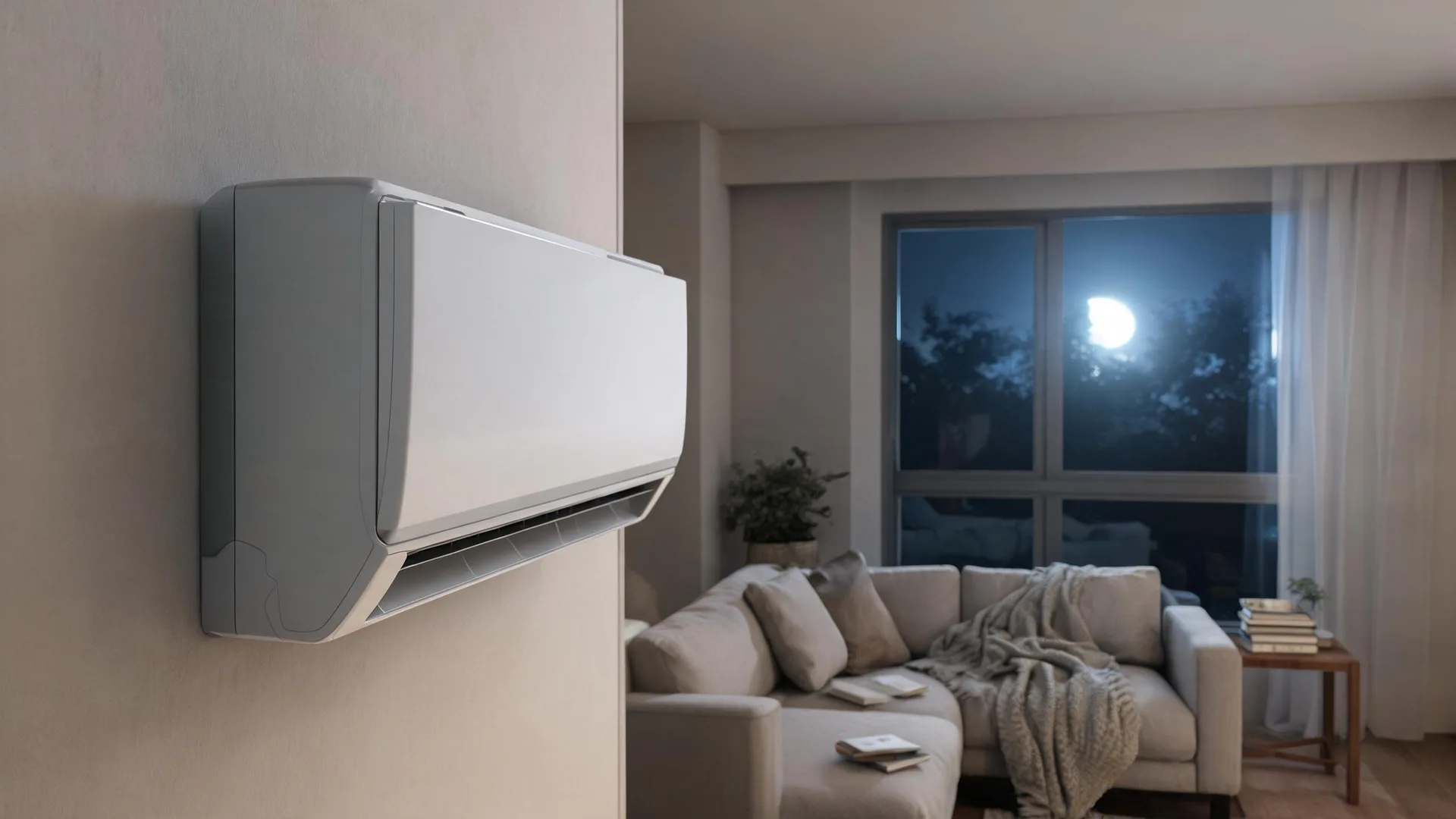
Gas heats most homes here
Utility gas heats 48.1% of occupied homes in Lander County, more than any other fuel. Electricity comes second at 30.6%. A furnace or boiler is doing the heating in most houses in Battle Mountain.
Takes about a minute. No obligation.
Utility gas heats 48.1% of occupied homes in Lander County, more than any other fuel. Electricity comes second at 30.6%. A furnace or boiler is doing the heating in most houses in Battle Mountain.
If your home heats with gas, a mini split is usually brought in for cooling or for a room the main system does not reach well. It runs alongside the furnace rather than taking its place, so the job is about where to put it, not about ripping out what is already there.
NOAA nClimDiv, 1991–2020 normals
Half the homes in Lander County were built in 1986 or earlier, half in 1986 or later.
Mini split sizing comes from the room it's heating or cooling, not the year the house was built.



A mini split runs on electricity, so the rate here matters more than it would for a gas furnace. Nevada homes paid 15 cents per kilowatt-hour in 2024. That's the number to keep in mind when a contractor sizes the unit, because a system that's bigger than the room needs will cost more to run without cooling or heating it any better. The right size comes from the square footage, the windows, and how the room is used, not from picking the biggest unit available. A properly sized mini split for a bedroom or a sunroom addition will run efficiently at this rate. Oversizing it is the main way homeowners end up paying more than they should.
Cooling here runs about two months a year, July and August, with afternoon highs around 85. That's not much strain on a mini split. You don't need the highest efficiency model to handle it, just one sized right for the room it's in.
Find a contractor
Cooling here starts in July and runs through August. June is the month to get a mini split put in, before the first hot day instead of after it. Installers get busier once the heat sets in, and a job booked ahead of that happens on your schedule instead of in a rush. The unit itself only has two months of real work ahead of it each year. Getting it in before July just means it's ready for those two months instead of playing catch up through the first week of them.
A contractor should walk the room, check the windows, and ask what the space is used for before naming a size. If a quote comes back before anyone measures, that's a guess, not a sizing. The size has to match the room, not the biggest unit in the truck.
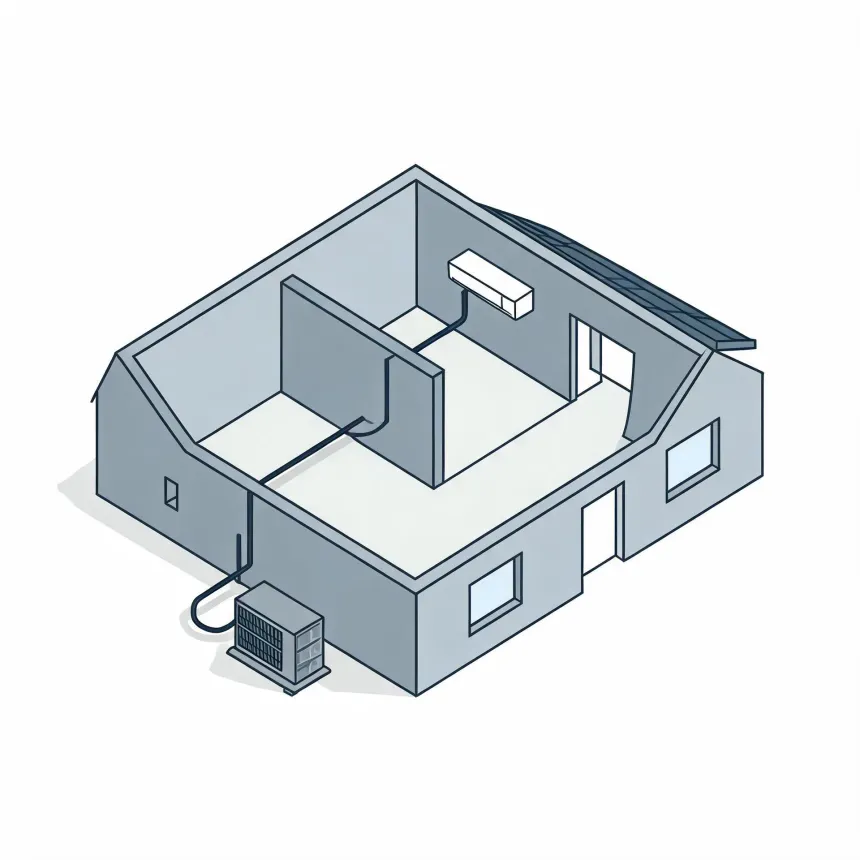
The indoor head connects to an outdoor unit through a line set, and the indoor unit needs somewhere for condensate to drain. Where that line runs and where the drain goes affects how clean the install looks and how it holds up. A contractor who can point to both before starting has actually planned the job.
If the old system being replaced is a window unit or a wall sconce, it usually comes out the same day the new line set goes in, since the opening it sat in often needs patching either way. If what's being replaced is an older mini split, the outdoor condenser gets disconnected from power and the refrigerant lines get cut or capped before anyone pulls it off the wall bracket. Refrigerant in a system being scrapped has to be recovered into a tank, not vented, so that part of the job takes a little care even when the unit is old and worn out. The indoor head leaves a mounting plate and usually a small hole where the line set passed through the wall, and that gets sealed once the new unit is in place. None of this touches the furnace or ductwork already heating the house. The old mini split is a standalone piece of equipment, so taking it out doesn't affect anything else running in the home.
Install day starts with the outdoor unit, not the indoor head. The condenser needs a spot on a pad or wall bracket with clearance on all sides for airflow, so that gets set and leveled first. Then the line set runs between outdoor and indoor units, carrying refrigerant lines, a condensate drain, and electrical wiring through a single hole in the wall. Once both ends are connected, the whole line gets pressure tested to check for leaks before any refrigerant is released into it. That test has to hold for a while, so there's a waiting period built into the day where nothing visible is happening. After it passes, the system gets charged, the indoor head gets mounted and powered on, and the contractor checks that it's pulling in air and draining condensate the way it should before calling the job done.