
AC Maintenance in Nevada
Homes in Nevada are newer than in 49 of the other 49 states.
Tell us about the job
Takes about a minute. No obligation.
- 94°Fsummer afternoon high where people live
- 5 monthsof cooling, May through September
- 15.00¢ per kWhwhat homes paid for power in 2024 (kWh means kilowatt hours, the unit on an electric bill)
- 75hail events from 2015 to 2024
Cooling a Nevada home costs more a neglected AC adds to it
- Western counties need about three and a half times as much cooling than eastern ones
- Summer afternoons average 94°F where people live
- Cooling runs May through September
- 75 hail events from 2015 to 2024
- 1,882 damaging wind events from 2015 to 2024
- 13% of homes lost power a day or more in 2024
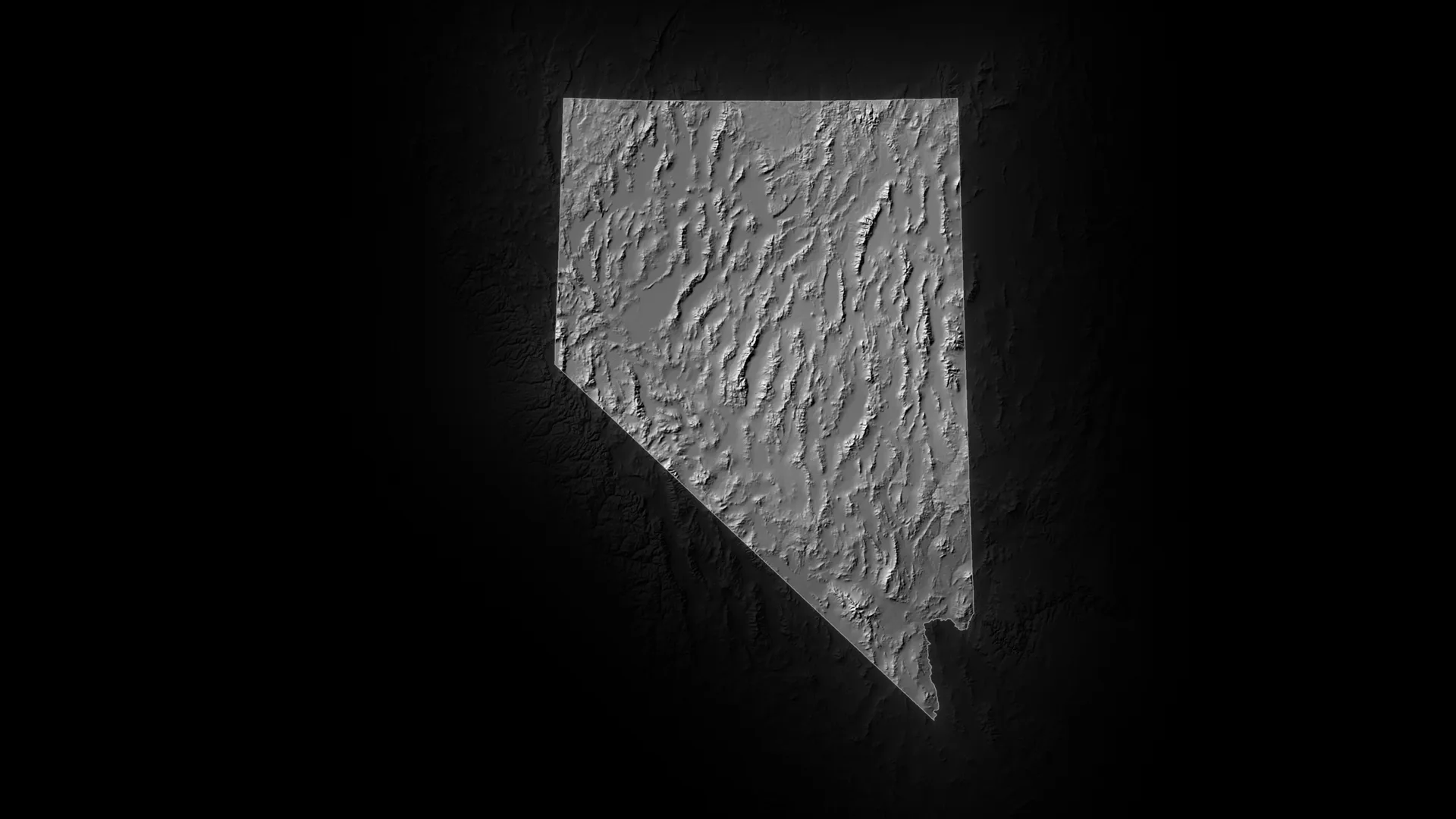

Nevada's storms hit outdoor AC units harder than in most states

May is when Nevada's cooling really starts, and by then the system needs to already be working right. Book the checkup in April, before the heat sets in, so there's time to fix anything a tech finds before the first hot week.
Cooling runs about five months here, May through September. That's longer than most of the country sees, with 34 states running their AC fewer months a year than Nevada does. A system working that many months benefits from going into the season in good shape.

The heat will find the weak part. Find it first
Get it looked at before August does the job for you
June through August, afternoons here average 94 degrees. An AC that's low on charge or running on a weak capacitor won't keep up on days like that, and you'll feel it inside the house before anything actually fails. A spring checkup catches the weak part while it's still just weak, not yet broken, so it's not fighting the hottest part of summer on its own.
What does an AC in Nevada face?
How hot do summer afternoons get?
94°Faverage afternoon high where people live
Alaska66°F
Arizona101°F
How many months does the cooling run?
5 monthsof cooling a year
Alaska0 months
Hawaii12 months
What does electricity cost?
15.00¢per kWh, what homes paid in 2024
North Dakota11.51¢
Hawaii42.86¢
How often do storms hit?
427severe weather events per county from 2015 to 2024
Alaska5
Wyoming1,057
How many homes lost power for a day or more?
13%of homes in 2024
Arizona7%
Maine54%
A dirty AC costs more to run here
Electricity in Nevada runs 15 cents a kilowatt-hour, more than in 28 other states. That rate applies to every hour the system runs, so how well it runs matters more here than somewhere power is cheap. A dirty coil or a low charge makes the compressor work longer to move the same amount of heat out of the house. A tune-up gets it back to moving that heat the way it was built to, instead of straining to keep up all season.
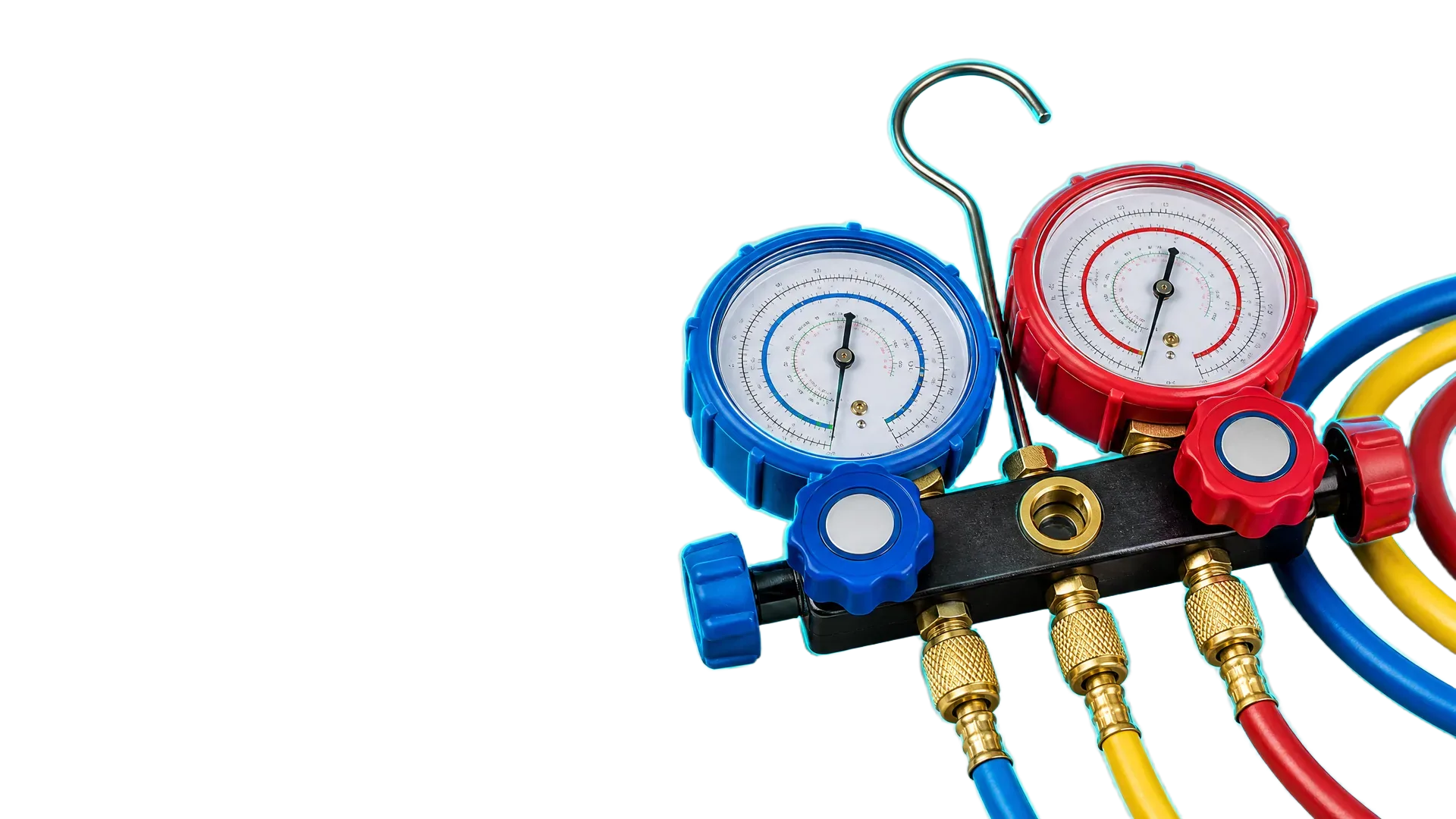
Between Visits
The outdoor unit needs open air on all sides to shed heat. Keep weeds, shrubs and anything stored against it cleared back, and skip stacking anything on top. Shut the unit down before you hose it off, and use light water pressure straight down through the fins. A power washer will bend them flat and block airflow. Check the filter once a month. Hold it up to a light. If you can't see light through it, it needs to be replaced. A clogged filter starves the system of airflow, and that makes the evaporator coil run colder than it should, to the point it can ice over. Once a coil ices up, the system stops cooling the house at all until that ice melts. Inside, keep the supply and return vents clear of furniture, rugs and curtains so air can actually move through the ductwork. If you ever see ice on the indoor coil or the copper line running to the outdoor unit, shut the system off and let it thaw completely before running it again. Running it iced up pushes liquid refrigerant back toward the compressor, and that part isn't built to handle liquid.
What the storms leave behind
Nevada sees more severe weather than most states, mainly wind. Damaging wind hit the state 1,882 times between 2015 and 2024, more than in all but a few other states. An outdoor AC unit sits through all of it, exposed to whatever blows through or lands on it. Hail is less common here than in most of the country, but it still happens, and either one can bend a fin, crack a panel, or leave debris packed against the coil. None of that tells you what shape your unit is in right now. It tells you why a spring check for bent fins, debris, or anything loose around the cabinet is worth doing before the system has to run flat out.
A dirty coil costs more to run every month it works this hard.
Tell us about the job
Takes about a minute. No obligation.
Fill out the form once, and a licensed contractor in your area calls to set up the checkup.