
AC Installation in Nevada
Homes in Nevada are newer than in 49 of the other 49 states.
Tell us about the job
Takes about a minute. No obligation.
- 94°Fsummer afternoon high where people live
- 5 monthsof cooling, May through September
- 15.00¢ per kWhwhat homes paid for power in 2024 (kWh means kilowatt hours, the unit on an electric bill)
- 75hail events from 2015 to 2024
Electricity costs more here than most and your AC drives the bill
- Western counties need about three and a half times as much cooling than eastern ones
- Summer afternoons average 94°F where people live
- Cooling runs May through September
- 75 hail events from 2015 to 2024
- 1,882 damaging wind events from 2015 to 2024
- 13% of homes lost power a day or more in 2024


- A properly sized unit cools every room evenly instead of leaving one hot and one cold
- Correct refrigerant charge keeps the compressor from straining, which is where early failures start
- Matching the new unit to your existing ductwork lets air move the way it was designed to
- A fresh condenser and coil mean fewer service calls in the first years of use
- Startup checks confirm the thermostat and airflow are working together before the job is called done
Nevada's western counties need about three and a half times as much cooling over a year as the eastern counties do.
The right size and setup for your new AC depends on where in the state you are, not just what state you're in.
What happens to the system you're replacing
Removing the old unit is its own job, and doing it right protects the new one
Taking out the old unit is part of the job, not an afterthought. The old refrigerant has to be recovered, not vented, before anything gets disconnected. Whoever pulls the old condenser should also check the line set before reusing it. Old lines can carry contamination or the wrong oil for a new compressor, and running a new system through dirty lines is how a new compressor fails early. If the old unit used a different refrigerant than the new one calls for, the lines usually need to be flushed or replaced entirely. The old pad, disconnect box and wiring get inspected too. A disconnect that was fine for the old unit's draw may not be rated for the new one. None of this shows up on a sales brochure, but skipping it is how a new system inherits an old system's problems.
What does an AC in Nevada face?
How hot do summer afternoons get?
94°Faverage afternoon high where people live
Alaska66°F
Arizona101°F
How many months does the cooling run?
5 monthsof cooling a year
Alaska0 months
Hawaii12 months
What does electricity cost?
15.00¢per kWh, what homes paid in 2024
North Dakota11.51¢
Hawaii42.86¢
How often do storms hit?
427severe weather events per county from 2015 to 2024
Alaska5
Wyoming1,057
How many homes lost power for a day or more?
13%of homes in 2024
Arizona7%
Maine54%
The condenser outside is doing more work than most states ask of one
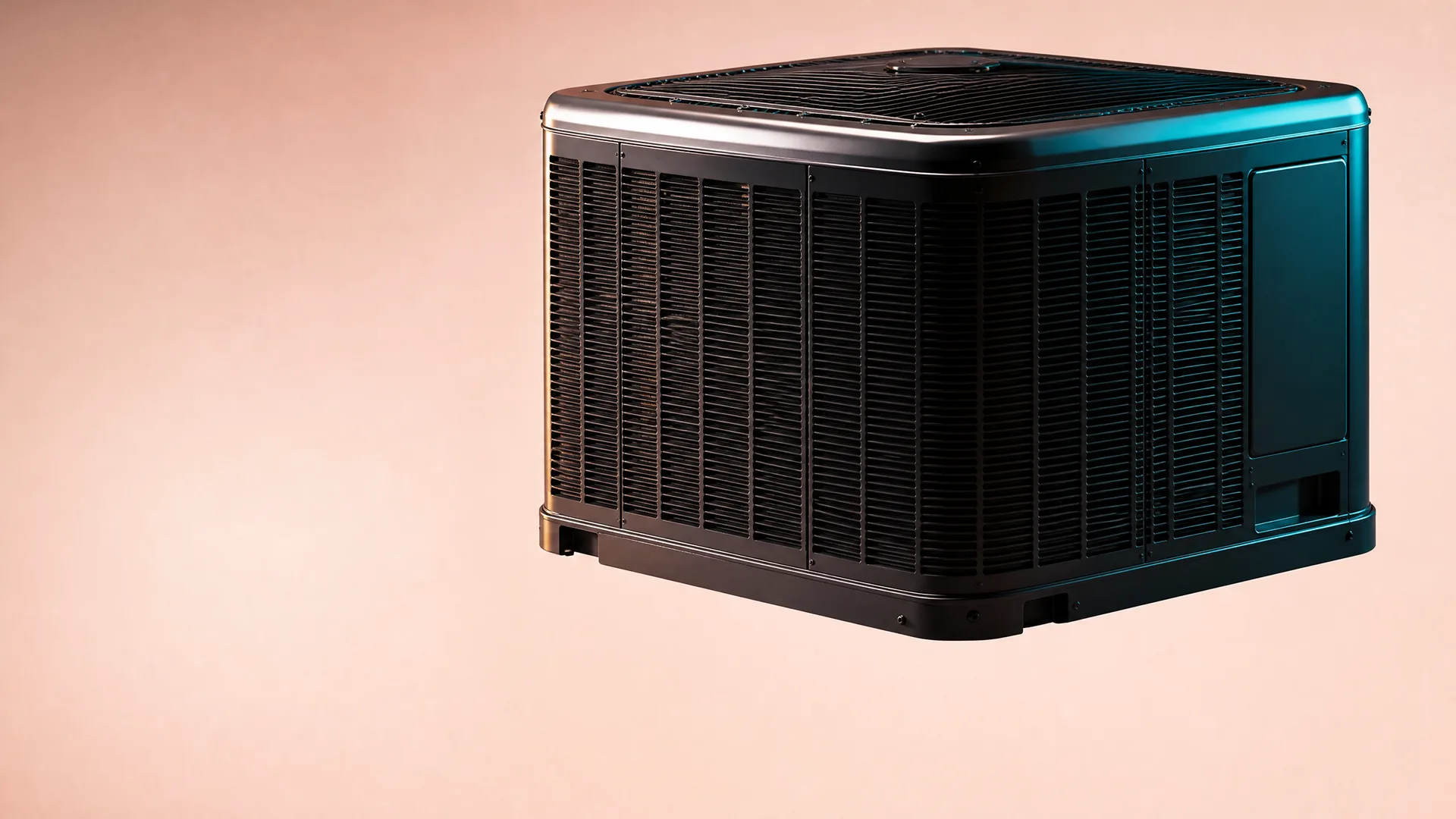
May through September, Nevada asks more of a condenser than most states ever do. Afternoons average 94 degrees across June, July and August, and the unit outside runs through all of it. That is more cooling months than 34 other states see, and hotter summer afternoons than 47 of them. A condenser sized right for the load will hold up to that. One sized wrong, even a little, ends up short-cycling or running flat out most of the afternoon, and either way it wears faster than it should.
What to ask when you're comparing quotes
Ask how the installer arrived at the size they're quoting, not just what size it is. A proper load calculation looks at the square footage, the windows, the insulation and which way the house faces, room by room. If someone sizes your AC off the old unit's tonnage or a flat rule for square footage, that's a guess wearing a number. Ask whether the condenser and the indoor coil are matched as a set. A condenser paired with the wrong coil won't run at its rated efficiency no matter how well it's installed. Ask what happens to your existing ductwork, and whether anyone is checking it for leaks or runs that were undersized to begin with. A better condenser pushing air through ducts that were never right for it still leaves you with a hot room and a cold one. Ask what the warranty covers on the compressor and the coil, parts against labor, and who actually honors it if the installer isn't around in a few years. A warranty is only worth what someone will show up and do under it.

Utility gas heats 58.9% of occupied homes in Nevada, more than any other fuel. Electricity is next at 34.7%, with bottled or LP gas and fuel oil making up the rest. A central AC system installed alongside a gas furnace usually shares the ductwork and the air handler, so the coil has to match both the new condenser and what's already moving air through the house.
If gas already heats your home, replacing your AC with another central system that uses the same ducts is the straightforward path. The furnace handles winter, the coil and condenser handle summer, and both run off the same blower. Ask whoever quotes the job to confirm the new coil is sized for that blower, not just for the condenser going in outside.
Electricity costs more here than in most of the country, and the AC you install decides your summer bills.
Tell us about the job
Takes about a minute. No obligation.
Answer a few questions and get quotes from licensed installers who size the job for your home.