
Heat Pump Repair in Nevada
Homes in Nevada are newer than in 49 of the other 49 states.
Tell us about the job
Takes about a minute. No obligation.
- 33°Fwinter overnight low where people live
- 7 monthsof heat, October through April
- 94°Fsummer afternoon high where people live
- 5 monthsof cooling, May through September
What does a heat pump in Nevada face?
How hot do summer afternoons get?
94°Faverage afternoon high where people live
Alaska66°F
Arizona101°F
How cold do winter nights get?
33°Faverage overnight low where people live
North Dakota4°F
Hawaii65°F
How many months does the heat run?
7 monthsof heating a year
Hawaii0 months
Alaska12 months
What does electricity cost?
15.00¢per kWh (kilowatt hours, the unit on an electric bill), what homes paid in 2024
North Dakota11.51¢
Hawaii42.86¢
How often do storms hit?
427severe weather events per county from 2015 to 2024
Alaska5
Wyoming1,057
How many homes lost power for a day or more?
13%of homes in 2024
Arizona7%
Maine54%
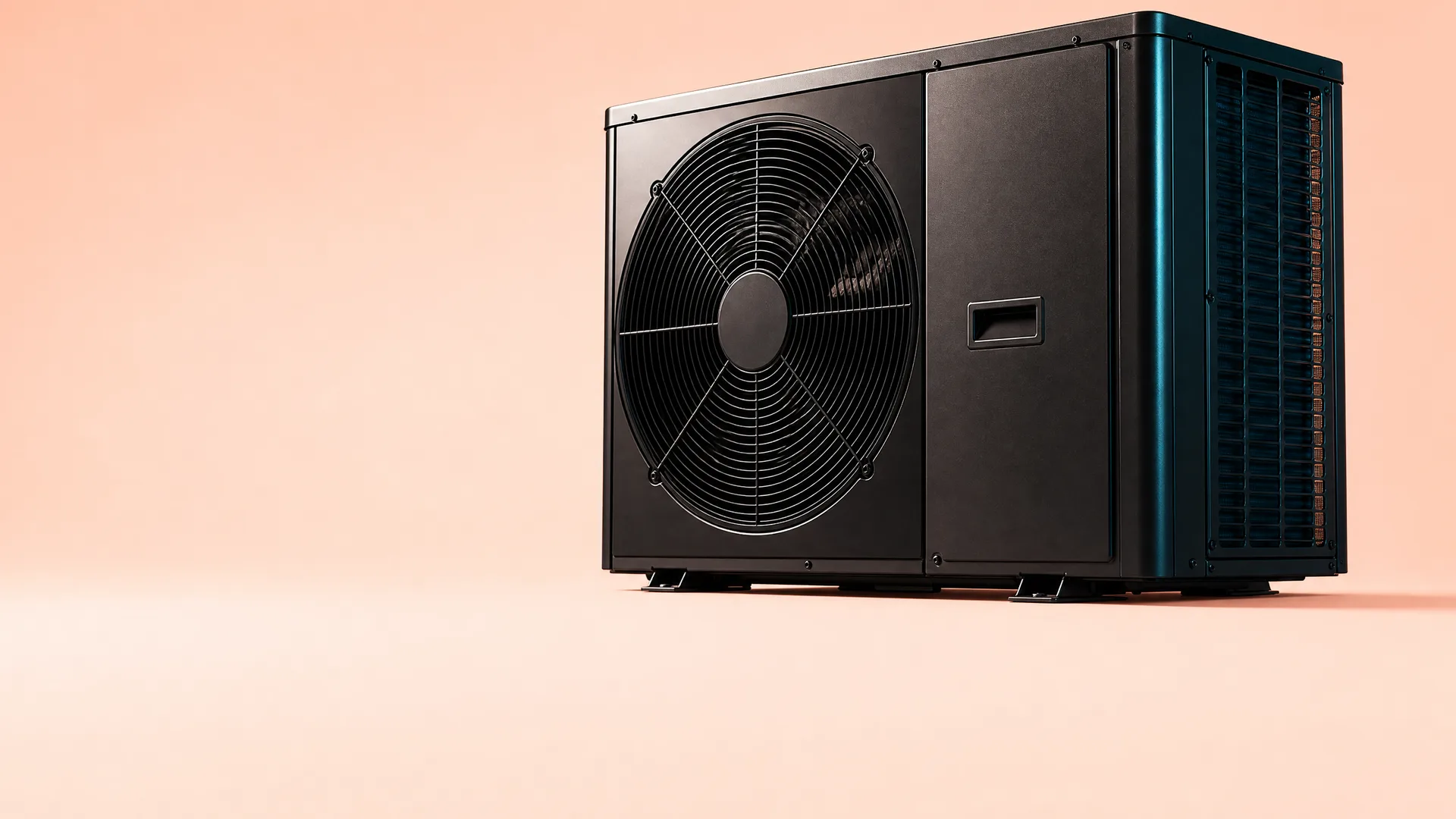
A heat pump working both sides of the year
A heat pump in Nevada works both sides of the year. It covers about seven months of heating and five of cooling, which leaves it little real downtime. The outdoor unit takes the brunt of this, and in Nevada that unit is also facing damaging wind more often than in almost any other state. A heat pump has to reverse itself to switch between heating and cooling, and that reversing valve along with the compressor behind it carries more of the load than in a system that only runs one direction. If the system is struggling, it's worth having a contractor look at the whole cycle, not just wherever the noise or the warm air is coming from.
Nevada recorded 2,913 severe weather events between 2015 and 2024, more than nearly every other state.
If your outdoor unit took a hit from hail or wind debris in that time, get it looked at even if it still runs fine.

Repair usually makes sense here
Nevada's housing is younger than the rest of the country's, and that works in your favor
Half the homes in Nevada were built in 1996 or later, newer than in any other state. If yours is one of them, the heat pump probably isn't the oldest thing about the house, and whatever is going wrong with it is more likely a specific worn part than old age catching up with everything at once. That's worth knowing before anyone brings up replacement. A system working this hard, switching between heating and cooling for most of the year, is going to wear something eventually. In a newer home that usually means a repair, not a teardown.
Electricity here costs more than in most states a heat pump running this much adds up fast
- Western counties need about three and a half times as much cooling than eastern ones
- Winter nights average 33°F where people live
- Summer afternoons average 94°F where people live
- Heat runs October through April
- Cooling runs May through September
- 924 winter storms from 2015 to 2024


Housing here is young, and that usually works in your favor
Half the homes in Nevada were built in 1996 or later, newer than any other state. A heat pump running in a newer house usually isn't fighting old wiring or old ductwork along with everything else. Most of the housing stock here is standard single-family houses, not mobile homes, which tend to put more strain on the equipment tied to them. So if your heat pump is acting up, the house itself is less likely to be part of the problem. More likely it's just the one part that's wearing out.
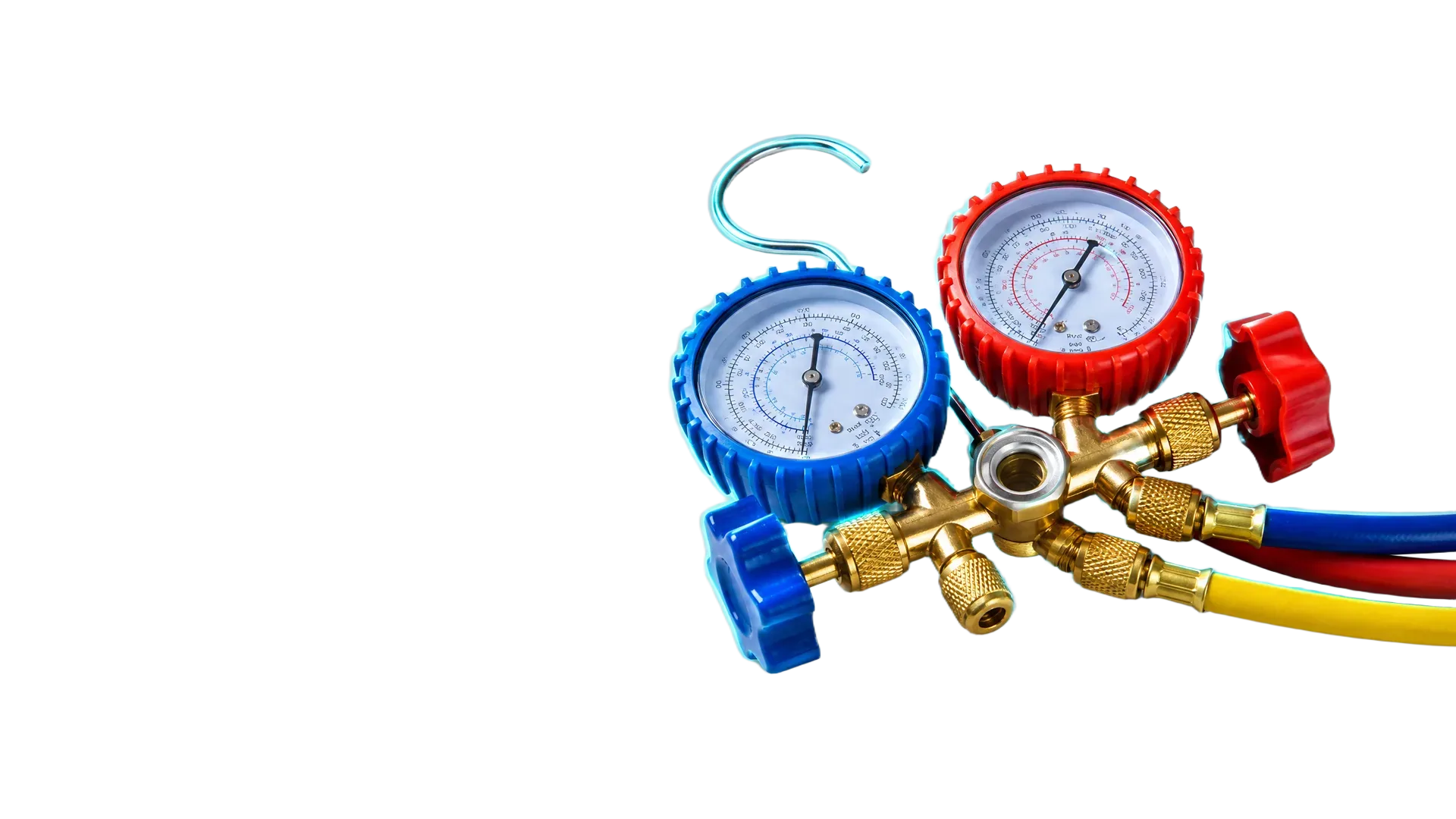
Check these before you call
Before anyone comes out, there's a few things worth checking yourself. Look at the thermostat first. Make sure it's set to the mode you want, heat or cool, and that the set temperature is actually past room temperature in the right direction. Batteries die quietly, so if the screen is blank or dim, that's your answer right there. Next, go outside and look at the unit itself. Anything piled against it, leaves, a cover, a fallen branch, blocks airflow and can make the whole system struggle. Clear a couple feet around it if you can. Check the air filter inside. A filter clogged with dust chokes the airflow on both sides of the cycle, heating and cooling, and it's the single easiest thing to fix yourself. If you've got a light switch or a breaker labeled for the outdoor unit, make sure it hasn't been bumped off. And if the system is running but the air coming out doesn't feel like it matches the mode, warm air in cooling mode or the reverse, that's not something to chase down yourself. That points at the reversing valve, and that's a repair, not a reset.
Trouble shows up at the switch
September is worth watching. That's the month before heat takes over here, and it's the last easy month before the system has to work in the other direction. A heat pump that's been cooling the house since May is about to reverse itself, and whatever was already marginal in the compressor or the reversing valve tends to show up right at that switch, not in the easy weeks before it. The same thing happens in April, the month before cooling starts. If your system struggled right when you changed it over, that's not bad luck. That's when a weak part finally gets asked to do something new.
A heat pump running this many months a year wears out its weak spot sooner here.
Tell us about the job
Takes about a minute. No obligation.
Fill out the form and a licensed Nevada heat pump contractor will reach out to take a look.