
Mini Split Installation in Nevada
Homes in Nevada are newer than in 49 of the other 49 states.
Tell us about the job
Takes about a minute. No obligation.
- 94°Fsummer afternoon high where people live
- 5 monthsof cooling, May through September
- 33°Fwinter overnight low where people live
- 7 monthsof heat, October through April
What does a mini split in Nevada face?
How hot do summer afternoons get?
94°Faverage afternoon high where people live
Alaska66°F
Arizona101°F
How cold do winter nights get?
33°Faverage overnight low where people live
North Dakota4°F
Hawaii65°F
How many months does the cooling run?
5 monthsof cooling a year
Alaska0 months
Hawaii12 months
What does electricity cost?
15.00¢per kWh (kilowatt hours, the unit on an electric bill), what homes paid in 2024
North Dakota11.51¢
Hawaii42.86¢
How often do storms hit?
427severe weather events per county from 2015 to 2024
Alaska5
Wyoming1,057
How many homes lost power for a day or more?
13%of homes in 2024
Arizona7%
Maine54%
Built to cost less to run
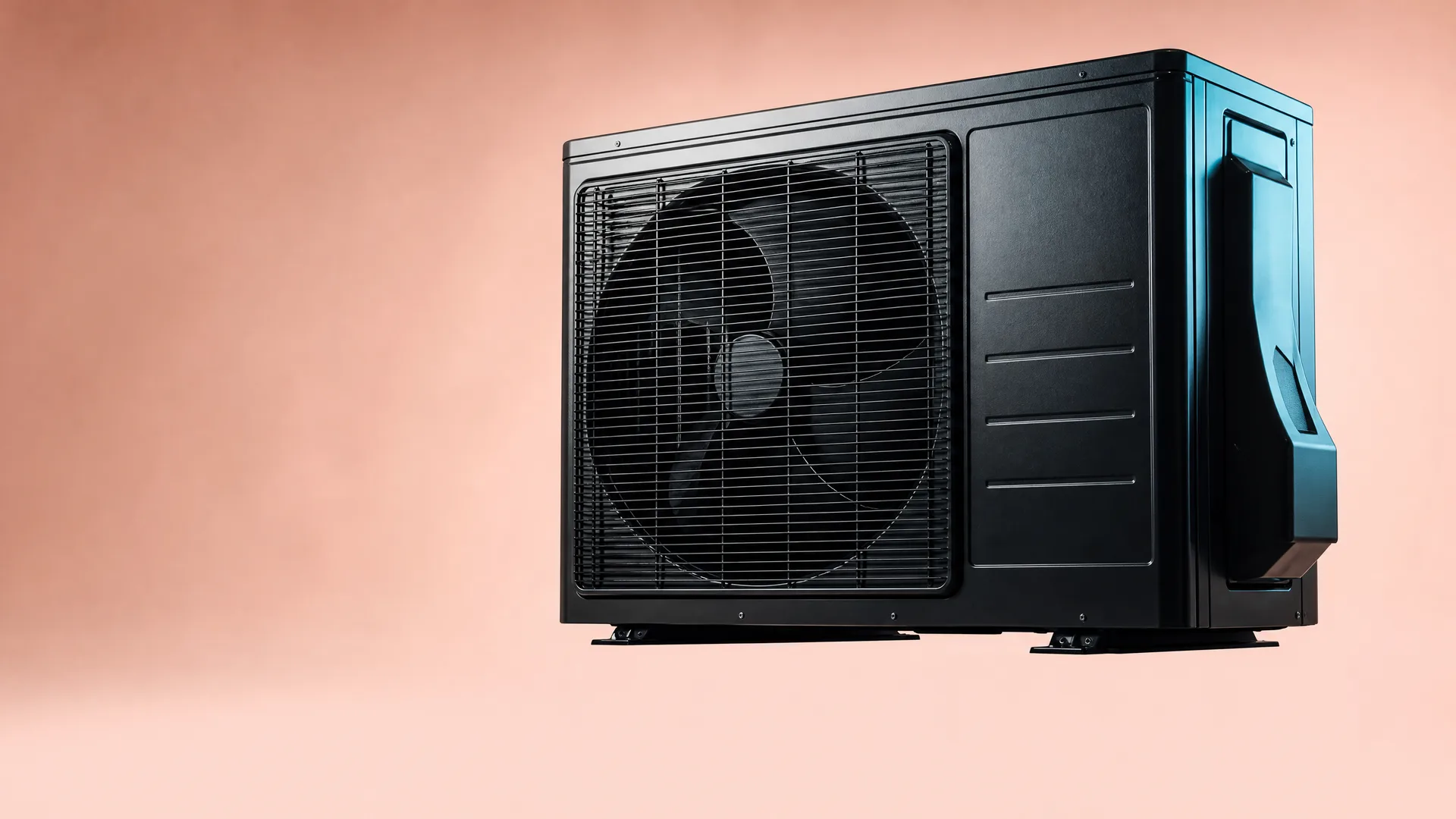
A mini split moves heat instead of burning fuel or fighting it with raw electric resistance, so it gets more cooling and heating out of every kilowatt-hour than a window unit or baseboard heat. That matters here, where electricity costs more than in 28 other states and ran 15 cents per kilowatt-hour in 2024. An inverter-driven compressor ramps up and down instead of switching on at full blast every time the room drifts off target, so it spends most of its time working at a lower, steadier draw. Sized right for the room it serves, that difference shows up on every bill for as long as the system runs.
Matching the unit to the room
A mini-split that's too big for the room cools it fast and shuts off, then starts again a few minutes later. That cycling is what causes trouble. The unit never runs long enough to pull moisture out of the air, so the room feels cold and damp rather than just comfortable. A unit that's too small does the opposite. It runs constantly, straining to reach a setpoint it can't hold on the hardest days, and the compressor wears faster for it. Getting the size right means working out the heat gain and heat loss of the specific room, not going by floor space alone. That calculation accounts for the windows and which way they face, the ceiling height, how much insulation sits behind the walls, and what else is already generating heat in that room. Rooms that look alike on a floor plan can need different units once those details are counted. This is why a contractor measures the space and asks about it before quoting a unit, rather than matching a number on a spec sheet to a number on a floor plan.

Sized for your part of Nevada
What this system needs to do changes with where you live
Western Nevada and eastern Nevada are not asking the same thing of a mini split. Homes on the western side need about three and a half times as much cooling over a year as homes on the eastern side. A system sized for one side is answering a different question than one sized for the other. Get that wrong and you're paying to run capacity you don't need, or asking a unit to keep up with a load it wasn't built for. Where you fall in that range is the starting point. The specifics of your room decide the rest.
Cooling costs more here than most Efficiency keeps that cost off your bill
- Western counties need about three and a half times as much cooling than eastern ones
- Summer afternoons average 94°F where people live
- Winter nights average 33°F where people live
- Cooling runs May through September
- 1,882 damaging wind events from 2015 to 2024
- 13% of homes lost power a day or more in 2024

Nevada storms knock out power for a day or more, most years.
What happens to the old equipment
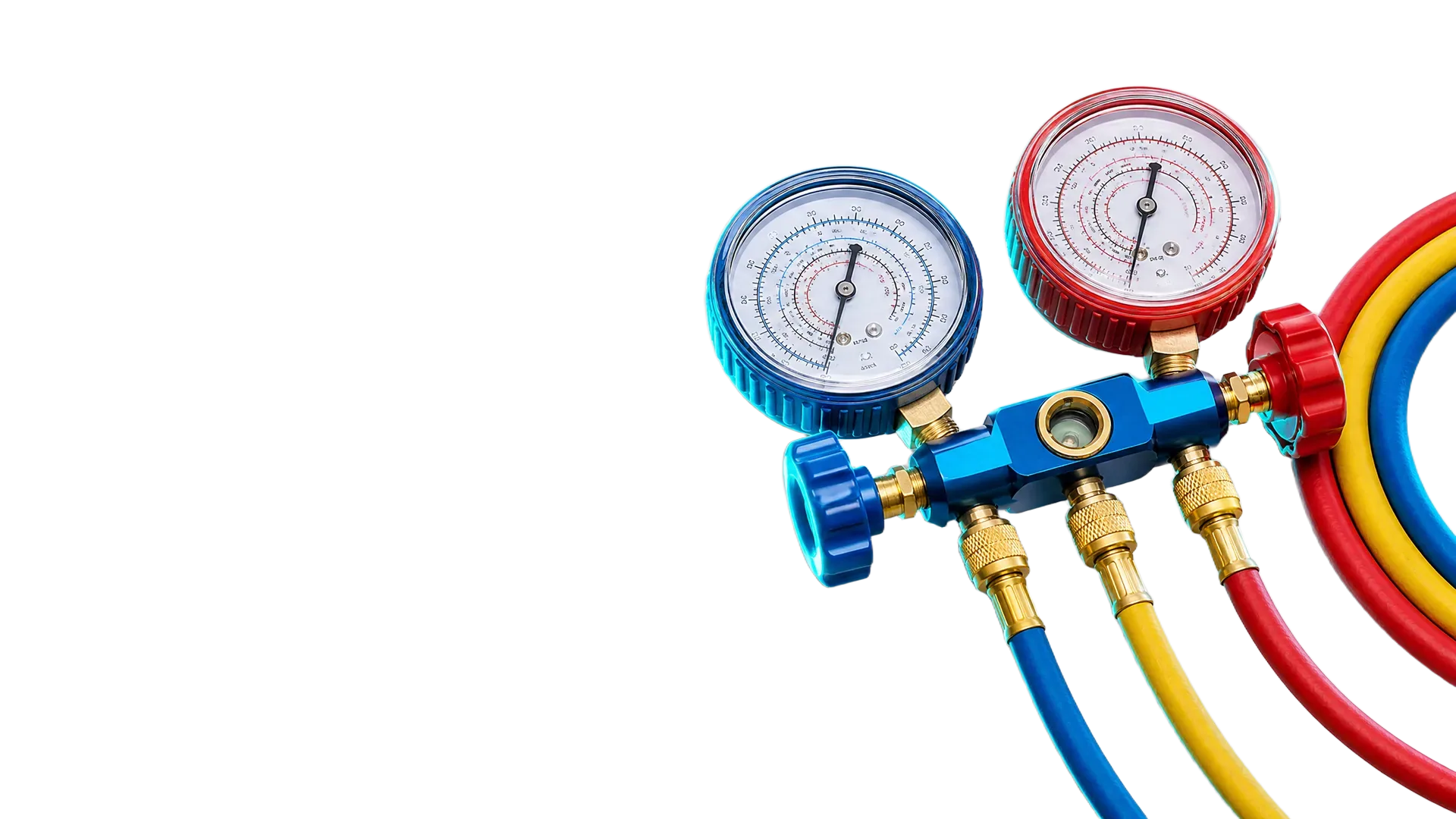
Taking out the old system is part of the job, not an afterthought. If it's ducted, the installer deals with the air handler, the condenser outside, and whatever ductwork is being retired along with it. If it's another mini-split, the old indoor and outdoor units come down, and the line set gets checked rather than reused blind. Refrigerant in the old system has to be recovered properly, not vented, so the tech will pull it off before anything gets disconnected. Old line sets and mounting brackets usually can't just be adapted to the new equipment, since indoor and outdoor units are matched pairs, so most of that hardware comes out too. Whatever's left, the metal, the old compressor, the coils, gets hauled off and recycled rather than left for the homeowner to deal with.

Gas heats 58.9% of homes in Nevada, more than any other fuel, with electricity second at 34.7%. A mini split works alongside either setup, since it runs on electricity and does not touch the gas line or the furnace. In a gas-heated home it usually takes over cooling and handles the shoulder months, while the furnace stays on for the coldest stretches. In an electric home it can replace baseboard heat outright, since it produces more heat per kilowatt-hour than resistance heat ever will.
Bottled or LP gas heats 3.0% of homes here and fuel oil barely registers at 0.4%, so a mini split is rarely replacing either one directly. Where it matters more is in homes already on electric heat, since that's over a third of the state. Swapping baseboard or an old electric furnace for a mini split changes what the house draws on the coldest night, not just how the room feels in summer. That's a different sizing question than a gas-heated home, and worth asking the contractor about directly.
Electricity costs more here than in most states, so a right-sized mini split earns that back on every bill.
Tell us about the job
Takes about a minute. No obligation.
Fill out the form and a contractor who installs mini splits in Nevada will reach out about your room.