Most homes here run on electricity
Electricity heats 64.5% of occupied homes in White Pine County, more than any other fuel. A mini split fits right into that setup since it runs on electricity too, with no gas line to tie into or work around.
Takes about a minute. No obligation.
Electricity heats 64.5% of occupied homes in White Pine County, more than any other fuel. A mini split fits right into that setup since it runs on electricity too, with no gas line to tie into or work around.
Because electric heat is already the norm here, a mini split is usually a straightforward swap or addition rather than a change in fuel type. The main questions become where the outdoor unit goes and how many zones this place needs.
NOAA nClimDiv, 1991–2020 normals
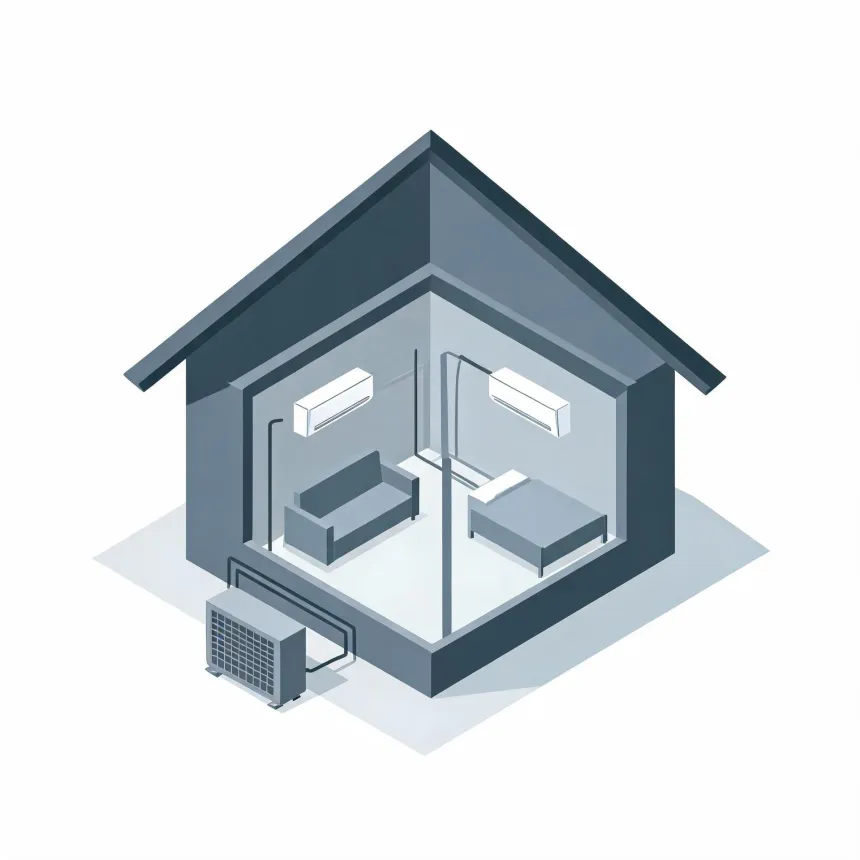
The price moves with how many indoor heads the job needs, not just the size of the outdoor unit.
Every extra zone means its own line set, its own mounting work and its own thermostat or control, so a job with more heads costs more even off the same outdoor unit.



Half the homes in White Pine County were built in 1970 or earlier. A house that old was likely never set up for ducted cooling, and whatever heat it has now may have been added or swapped out more than once since. A mini split works with that instead of against it. There's no ductwork to tie into or extend, just a line set run through the wall to wherever the outdoor unit sits. That also matters for the mobile homes in the county, which make up a little over a fifth of the housing stock here. Wall and ceiling space works differently in a mobile home, and where a line set can run and where a unit can mount is worth checking against the specific place before the job is priced out.
Cooling only runs about two months a year here, July and August, with afternoon highs averaging 82. That's not much load to put on a system year after year. A mini split built for reliability will handle it without trouble, so there's little reason to pay more for the highest efficiency rating on the market.
Find a contractor
Cooling here only runs July and August. June is the month to get a mini split in, before the heat shows up and before every other install in the county is booked for the same two weeks. Put it off and you're choosing between a rushed install or a few weeks of a hot house while you wait your turn.
Whatever is heating or cooling the place now gets disconnected first. If it runs on electricity, that means capping or removing the wiring that fed it. If there's an old wall unit or window unit in place, that comes out of the opening it sits in, and that opening needs to be dealt with, patched, trimmed or sized for the new line set, so the wall is actually ready for a mini split rather than just missing its old equipment.
If the old system used refrigerant, it can't just be cut loose and drained into the air. A licensed contractor recovers it into a tank before any lines come apart, the same way the new system's refrigerant gets charged in once it's mounted. That recovery step is part of the removal, not an extra, and it's why pulling out an old system is a job for whoever's installing the new one rather than something to do ahead of time.
When you're comparing systems, ask what the warranty covers and who has to do the work for it to stay valid. Most manufacturers require the line set to be vacuum tested and charged by a licensed contractor, and if that step isn't documented, the warranty on the compressor can be void before the unit ever runs. Ask about the sound rating of the outdoor unit too, since some compressors run noticeably louder than others at the same capacity, and that matters if it sits near a window or a patio. Ask what happens if a zone's indoor head fails. On a multi-zone setup, some systems let the other heads keep running while one is serviced, others don't. And ask who services the brand locally. A system is only as good as the parts and technicians available when something needs attention down the line.
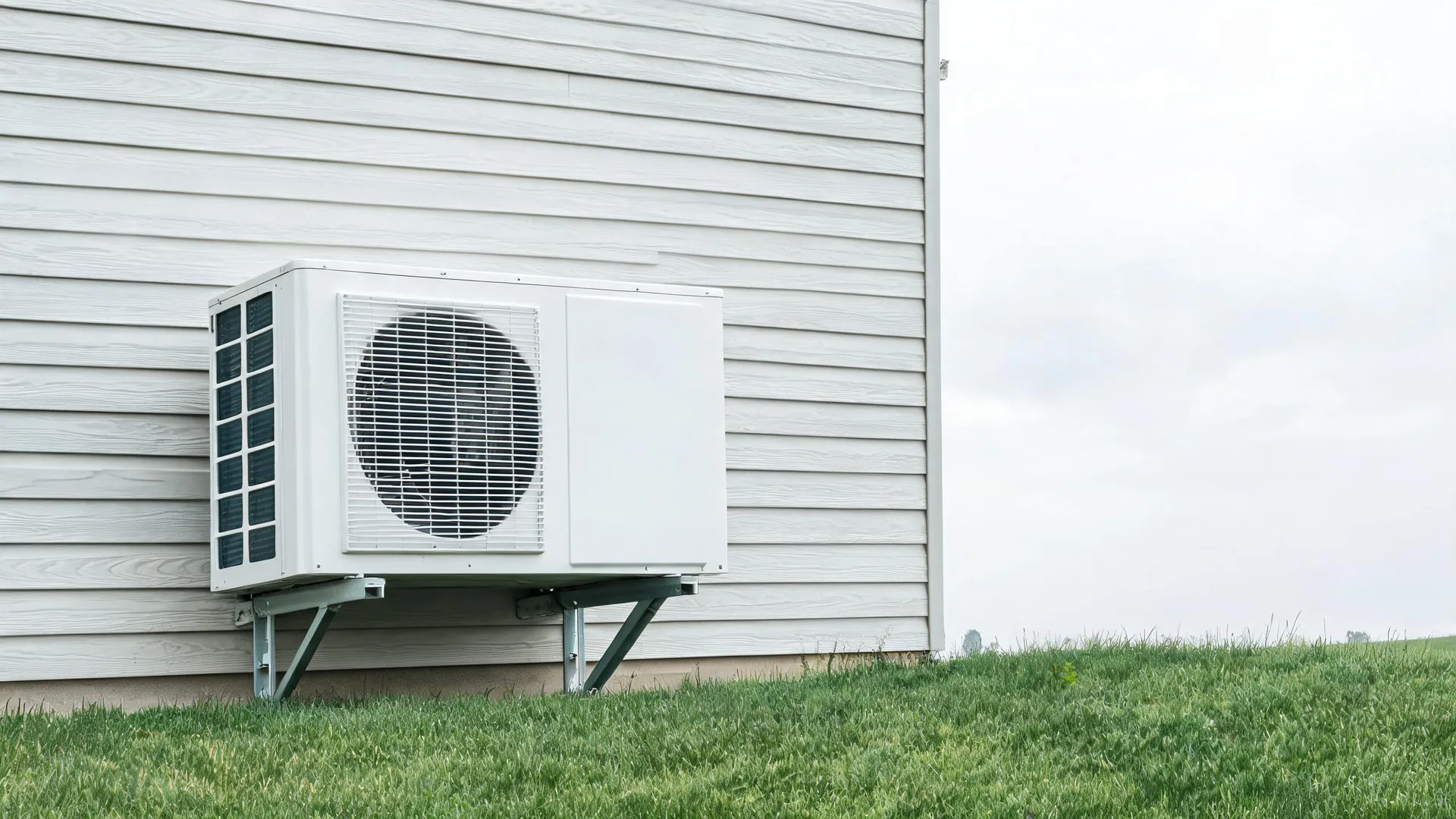
Installation day starts with the outdoor unit. It needs a pad or mounting brackets set level, with clearance on all sides so air can move through the coil, and it usually goes on an exterior wall close to where the indoor heads will sit, since every foot of line set is a foot that has to be run, insulated and sealed. Then comes the hole through the wall, a single penetration for the line set, the drain, and the control wiring, bundled together and sealed where they pass through. Each indoor head mounts on its own bracket, gets leveled, and ties back to that same wall penetration. Once everything is connected, the line set gets pulled down to a vacuum before any refrigerant moves, which clears out moisture and air that would otherwise wreck the compressor. Only after it holds that vacuum does the system get charged and switched on.