A few minutes, then it's done
A normal defrost cycle runs briefly before the heat pump switches back to heating. If yours runs longer than that, or kicks on and off all night, have it looked at.
 Find a heat pump pro
Tell a local repair pro what your heat pump is doing.
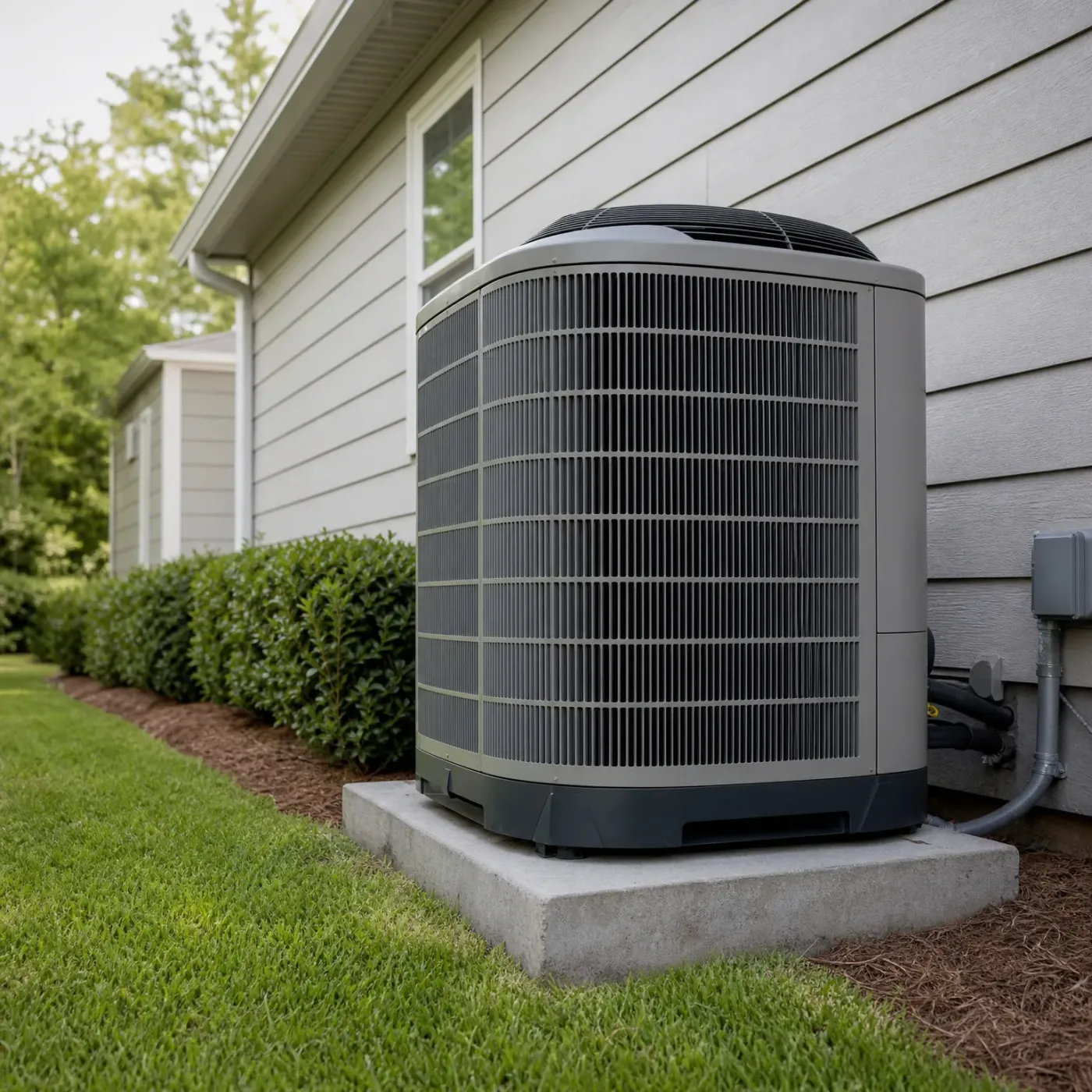
You went outside and saw steam or fog coming off the outdoor unit and your first thought was that something's wrong. Most of the time it isn't. A heat pump runs a defrost cycle in cold weather, and when it finishes, the coil is warm and wet and the cold Nevada air hits it. That's the steam. It usually clears in a few minutes.
What's worth paying attention to is how often it happens and what the unit does around it. A defrost cycle every so often is normal. One that runs over and over, or a unit that stays frosted after it should have cleared, points to something failing: a reversing valve stuck partway, a defrost sensor reading wrong, low refrigerant, or a fan that isn't pulling air the way it should.
Since most homes here heat with gas, a heat pump running oddly in winter can go unnoticed longer than it would somewhere that depends on it for every degree of heat. That doesn't mean it's fine to ignore. A heat pump that's short-cycling or running long defrosts is working harder than it needs to, and with power priced the way it is here, that's not nothing.
This is where a local contractor earns their keep. Someone who works on heat pumps through a Nevada winter has seen this exact steam, this exact complaint, more than once a season, and knows what's usually behind it versus what's rare. That's different from a general HVAC call where a Nevada heat pump isn't the daily routine.
Tell us what you're seeing and where you're located, and you'll be matched with one licensed, local contractor who takes on jobs like this regularly. Not several companies competing for your call, just one who already has a sense of what to check first. From there, they'll reach out to you directly to take a look.
That steam is the defrost cycle finishing its work. Your heat pump pulls heat out of the outside air even when it's cold out, and that process frosts up the outdoor coil the same way a freezer frosts up. The system notices, switches briefly into cooling mode to melt that frost off, and for a few minutes the coil runs hot. When the warm, wet coil meets cold Nevada air, you get steam or fog rising off the unit. Then it switches back to heating and goes quiet. This happens more on the cold nights you get here, and it's normal. What's worth paying attention to is how often it happens and how long it lasts. A defrost cycle that runs every few minutes, or steam that keeps coming long after it should have stopped, points to a problem with the sensor or control board that tells the system when to defrost, or a refrigerant charge that's off. That's a repair, not something to watch and wait on.




A normal defrost cycle runs briefly before the heat pump switches back to heating. If yours runs longer than that, or kicks on and off all night, have it looked at.
Most Nevada homes heat with gas, but if yours runs on a heat pump alone, a defrost cycle that won't stop costs you heat on a cold night. Get it checked.
You'll usually catch it in the early morning or late at night, when it's coldest. Steam rises off the outdoor unit for a few minutes, then stops, and the air coming out of your vents goes from cool back to warm. That's the pattern to notice, not the steam itself. If the outdoor fan is iced over instead of steaming, or you hear it cycling on and off every few minutes through the night, the unit isn't finishing its defrost cycle the way it should. Left alone, that usually means your house loses heat faster than the system can replace it, and in a Nevada winter night that can mean a cold house by morning and a heat pump working harder than it needs to.


Your request stays with one local pro.
Say what's going on with your heat pump, and a pro who works on them reaches out.
You only hire the pro if you want to.


Outdoor temperature drops and frost builds on the coil fins.
A sensor reads the frost and tells the system to defrost.
The reversing valve switches the unit into cooling mode briefly.
Hot refrigerant flows through the outdoor coil and melts the frost.
You've seen the steam show up at roughly the same point in the cold snap, almost like clockwork, and you're wondering if your unit is just guessing or if there's something actually reading the weather. It's a fair question, since nobody wants a system that's defrosting on a hunch and wasting heat it doesn't need to.
Most heat pumps use a sensor called a thermistor, clipped to the outdoor coil, that reads the coil's actual temperature. When it drops low enough for frost to form, that reading triggers the defrost cycle. Some older or simpler systems pair that with a timer, so the unit only checks for frost at set intervals rather than constantly. Either way, it's the coil temperature doing the deciding, not the outdoor air temperature on its own and not how long the unit has been running. If that sensor goes bad, the system can start defrosting too often, or not when it should, and that's usually when a defrost cycle starts looking longer or more frequent than normal.

Summer air here is dry. The dew point averages 37°F across June, July and August, according to NOAA climate data for Nevada, so a lot of what your heat pump pulls out of the house is sensible heat, not moisture. That's a different job than defrosting a frozen coil on a cold night. If the system is low on refrigerant or the outdoor coil is dirty, it may still cool the house well enough in summer that you don't notice, then struggle to shed frost once winter temperatures drop and the defrost cycle has to work harder than it should.
NASA POWER T2MDEW county cells weighted by homes


Most mornings, no. Your heat pump frosts up in the cold, runs its defrost cycle, and the steam you see is that frost turning to vapor on a warm coil. It clears in a few minutes and the system goes back to heating. That's the machine working the way it's built to.
What's worth a second look is steam that hangs around longer than that, or an outdoor unit that cycles on and off through the night instead of settling back into a steady heating run. That pattern usually means the coil isn't shedding frost the way it should, often because it's carrying more dirt and debris than it can work around. The defrost cycle still fires, but it can't finish clean, so it fires again, and again.
You don't need to guess which one you're looking at. A technician who services heat pumps through Nevada winters has seen both, season after season, and can tell in a few minutes whether your unit is defrosting normally or straining through it. If it's the second one, that's a coil that needs attention, not a system that needs replacing.
When you request a repair through this page, you're matched with one licensed contractor local to your area, someone who already knows what tends to wear down on heat pump coils out here and how to check it properly. You're not left sorting through calls from several companies trying to win the job. Just the one, reaching out to look at your unit and tell you straight what it needs.
Your request goes to one pro, not a list of companies.