Why your heat pump smells like burning in Nevada

RepairHeat PumpNevada
Step 1 of 2

What ZIP code is the job in?

A burning smell from your heat pump usually means dust burning off the electric heat strips, the backup heat that kicks in on the rare cold night here. That's normal for a few minutes the first time it runs each season. If the smell keeps up past that, or it smells sharper like hot plastic or metal, something inside is overheating. A failing blower motor, a cracked capacitor, or wiring that's loose and arcing will all throw off that kind of smell. Dust caked on the heat strips or a clogged filter choking airflow can also make the unit run hotter than it should. Any of these can damage the system further the longer it runs, and a burning smell is one your heat pump doesn't cycle through on its own. Nevada's dry heat means less humidity trouble, but dust is constant, and dust is often behind exactly this problem.

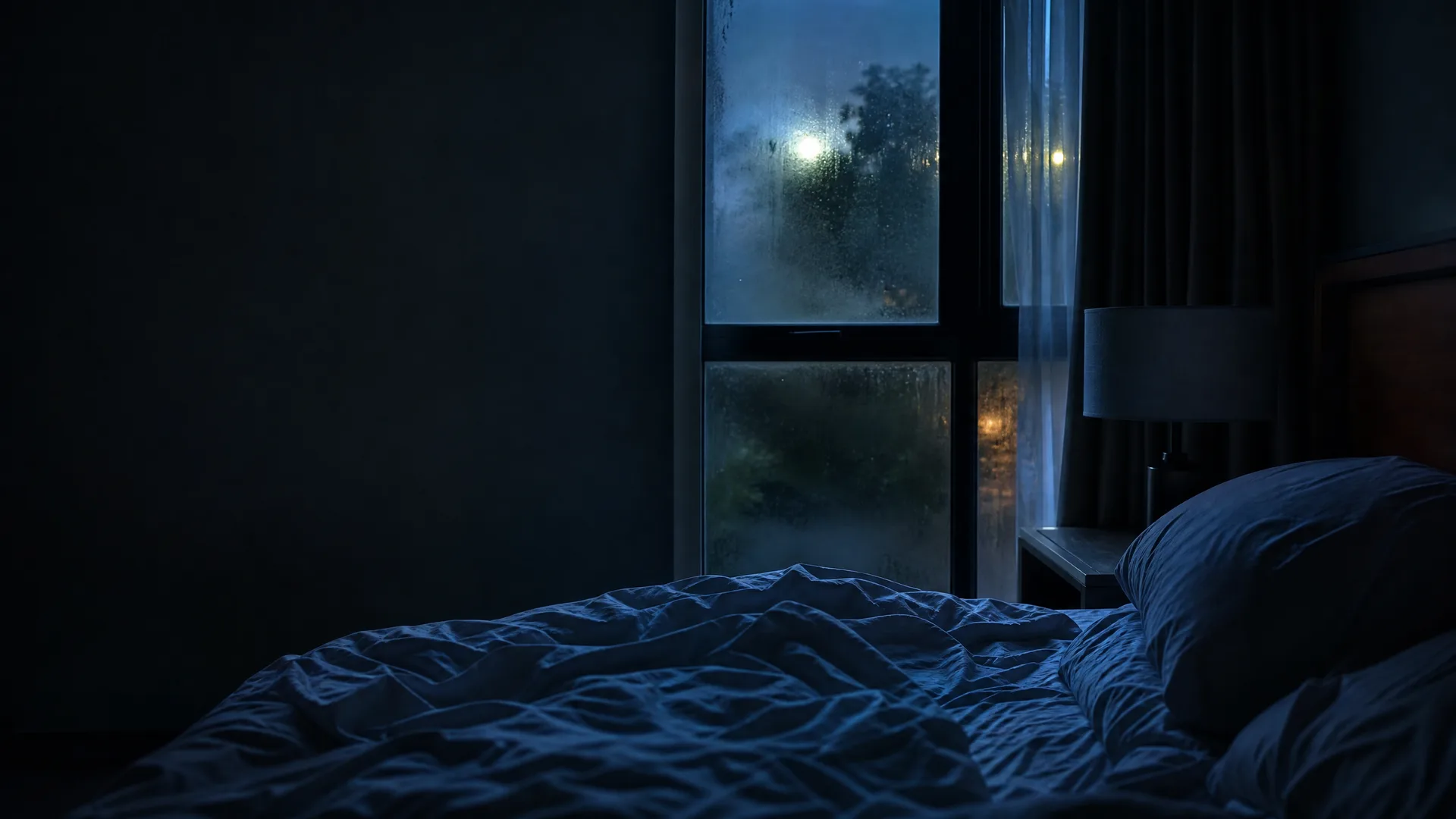
A dark bedroom at night with a rumpled duvet and pillows on a bed beside a rain-streaked, condensation-covered window with distant lights, a curtain, and a bedside lamp.

It's past midnight and the house is dry but still holding the day's heat. You've got the thermostat set low, and the heat pump has been running steady since sundown. You notice it first walking past the hallway vent, a faint burning smell, sharper than dust. In the bedroom the air coming through feels warmer than it should. You check the thermostat again, nothing's changed, but the smell's followed the airflow into the room now. Outside the Nevada night is still close to ninety. You lie there a minute longer, listening to the unit cycle, trying to decide if it's gotten worse since you first caught it or if you're just awake enough now to notice.

Dust Burn-Off or a Real Problem

Dust burning off

  • The smell shows up the first time the heat strips run after sitting unused, often on that first cold snap in the evening.
  • It clears within a few minutes once the dust on the strips has burned away and doesn't come back the same night.
  • You'll notice it near the vents closest to the air handler, not from one specific room or outlet.
  • There's no haze or smoke, just an odor, and the heat pump keeps running normally through it.
  • It doesn't repeat every time the heat strips kick on, only after a stretch of not running.

Something worth a look

  • The smell comes back each time the heat strips engage, not just the first run of the season.
  • It's sharper or more acrid than dust, closer to burning plastic or hot metal.
  • You notice warm air isn't coming through like it should, or one room stays cooler than the rest.
  • A breaker trips, or the outdoor unit cycles off on its own before the house reaches temperature.
  • The smell is strongest at the outdoor unit or near the electrical panel instead of the vents.
A gray outdoor condenser unit on a concrete pad beside a house with gray lap siding, connected by conduit and refrigerant lines to a wall-mounted disconnect box, with a green shrub and mulch bed at left.

Running clean

This is what it looks like when the smell has no business being there. The unit sits on its pad, conduit running up to the disconnect, nothing scorched or loose. Air moving through the house carries no odor at all, even on the hottest stretch of a Nevada summer.

An outdoor air conditioning or heat pump condenser unit on a concrete pad beside a house with horizontal vinyl siding, a gray electrical disconnect box and conduit on the wall, and a concrete walkway in the foreground.

Something's wrong inside

Dirt built up like this on the cabinet often means the same neglect is happening on the parts you can't see. A motor bearing or a wire under strain doesn't announce itself until it's burning. If your unit looks like this, the smell has a cause worth finding before it gets worse.

A smiling bearded man in a dark green hooded jacket and blue t-shirt sits on a couch in a living room with shelves, a potted plant, and a bowl of popcorn on a wooden table.
A smiling man in a green long-sleeved shirt sits on a beige sofa in a living room, with a bowl of popcorn in the foreground, a large potted plant and shelving behind him.
A smiling man in a dark blue T-shirt sits on a couch in a dimly lit living room with a bowl of popcorn and a remote on a wooden table, a lit floor lamp and bookshelves behind him, and windows showing greenery.
A smiling bearded man in a dark green long-sleeved shirt sits on a leather couch in a living room, with a bowl of popcorn and a remote control on a wooden table in the foreground.

Your heat pump doesn't make heat the way a furnace does, it moves it, so when something smells like it's burning, the compressor is rarely the cause. Look first at the electric heat strips, sitting in the air handler in the attic or a closet. Those glow red when the system needs backup heat on a cold night, and dust on them burns off with a smell that fades fast. A motor running hot is different. That smell leans toward melting plastic or hot metal, and it doesn't go away on its own. If the blower wheel or a bearing in the motor is wearing out, you'll often hear a rattle or grinding along with the smell. A rubber smell means something else entirely, a motor mount or a belt problem, though most systems in homes here run direct-drive with no belt at all. One more thing worth knowing: a connection at the heat strip terminals can work loose and arc, putting off a hot smell with no smoke anywhere to see.

What's Actually Burning In There

  • A heat pump moves heat instead of making it, so most burning smells trace back to the electric strips or the fan motor, not the compressor.
  • The electric heat strips sit in the air handler, usually in the attic or a closet, and they glow when the heat pump can't keep up on a cold night.
  • A motor running hot smells different from burning dust, more like melting plastic or hot metal, and it won't fade the way dust does.
  • If the blower wheel or motor bearing is failing, the smell often comes with a rattle or a grinding sound from the air handler.
  • A burning rubber smell points to a fan belt or motor mount problem rather than the heat strips, since most residential systems run direct-drive.
  • Wiring that's loose at a connection point can arc and smell hot without any visible smoke, especially where it attaches to the heat strip terminals.
An outdoor air conditioning condenser unit on a concrete pad beside a house with horizontal siding and a concrete foundation, with refrigerant lines running to a wall-mounted disconnect box and shrubs at left.
Before you get your heat pump repair
A gray outdoor air conditioner or heat pump unit on a concrete pad beside a house with horizontal lap siding, with conduit and refrigerant lines running up the wall and green shrubs and mulch at left.
After you get your heat pump repair

Hand off the search today

Explain the job once and skip repeating it on every call.

No fee to send it, and nothing to sign.

A two-story cream-colored house with horizontal siding and a gray hipped roof, flanked by large green trees and shrubs, with a concrete walkway crossing a lawn to a wet street in the foreground.

Nevada air is dry. The summer dew point here averages 37°F, which is low enough that sweat evaporates off you before it ever feels like humidity. Your heat pump never has to wring much moisture out of the air it pulls in, so that part of its job is light all summer. But the strain on it isn't about moisture, it's about heat and runtime through those long dry stretches. If a burning smell shows up on a summer night and lingers past the first few minutes, dry air isn't the cause. Something inside the unit is overheating, and it's worth getting looked at before it runs again.

NASA POWER T2MDEW county cells weighted by homes

What are you noticing right now in your house

You'd smell it near a vent, not at the unit outside. Maybe a sharp, hot smell that comes and goes with the blower, or one that hangs on after the system shuts off. You might notice it more in one room than others, or only when the heat strips kick in on a cold night. A breaker that trips, or a smell with a metallic edge to it, points to wiring or a motor rather than dust. Left alone, a wiring fault or a strained motor can take out the heat pump entirely, and on a night cold enough to need backup heat, that's not something to sit on.

A gray outdoor condenser unit on a concrete pad beside a light-colored lap-sided house, with a wall-mounted disconnect box and conduit, dark mulch, and a green shrub to the right.
The disconnect box and lines sit clean against the siding, nothing scorched, nothing loose.
An outdoor air conditioner condenser unit on a concrete pad beside a house with horizontal lap siding, with a gray electrical disconnect box and conduit on the wall and bare dirt and mulch in the foreground.
Dust and grime have built up on the grilles, and that buildup is what starts to smell when it heats up.

Why does my heat pump smell like burning when the fan kicks on?

You've smelled it specifically when the blower starts up, not the whole time the system runs. That timing tells you something. The fan motor sits right behind the grille, and it's one of the few moving parts in a heat pump that can get hot enough on its own to burn something nearby. If the smell shows up right as the fan kicks on and fades once it's moving air, that's worth paying attention to before it gets worse.

It's likely the fan motor or a belt-dust buildup right at startup

When a motor sits idle between cycles, dust settles on the windings and the housing. The moment it spins up, that dust hits a warm motor casing and burns off, same as dust on the heat strips does. That smell should clear in under a minute. If it doesn't, or if it comes back every time the fan starts rather than just the first run of the day, the motor bearing may be dragging, or the motor itself could be running hotter than it should. A motor that's working harder than normal to spin pulls more current, and that heat is what you're smelling. Worth having someone check before the motor fails outright, since a seized fan motor stops the whole unit from moving air.

  1. The thermostat calls for backup heat and sends power to the strips.

  2. The electric heat strips glow and ignite dust sitting on them.

  3. Air moving through the handler pushes that burning smell into the ducts.

  4. The smell reaches you through the vents a few minutes later.

Power costs 13.26 cents per kilowatt-hour statewide

At 13.26 cents a kilowatt-hour, running the heat strips costs more than running the compressor alone, but it's not enough to make you avoid using backup heat when you need it. Letting a burning smell go unchecked risks a repair bill that costs far more than the power ever did.

EIA-861 2025 statewide residential average

Where this leaves you

  • A burning smell that fades within minutes the first time your heat pump runs this season is dust on the strips and nothing more.
  • A smell that lingers, returns on later nights, or shows up only when the blower kicks on points to a problem worth a look.
  • The fan motor, the electric strips, and the buildup on the grilles account for nearly every case, rarely the compressor outside.
  • Nevada's dry air means your heat pump leans on the strips for warmth rather than on dehumidifying, so that part runs more than you'd think on cold nights.
  • Once you know which one it is, you're left with calling around, explaining the smell twice over, and sorting through quotes to find someone who'll actually show up.
  • Sending the request once hands that search off to someone else, so your evening goes back to normal instead of spent on the phone.

A burning smell from your heat pump is almost always one of two things. It's dust on the electric strips, gone in a few minutes the first night they run, or it's the fan motor, the strips themselves, or grime on the grilles holding onto a smell that shouldn't be there. The compressor outside is rarely the reason. Nevada's dry air means those strips carry more of the work than you'd guess, since there's little moisture to wring out of the air, so they run on cold nights more than most people realize, and that's exactly when this smell tends to show up. None of that tells you which one you've got without someone looking at it. What it does tell you is whether tonight's smell is worth worrying about or worth a call. If it's the kind that lingers, or comes back, or only shows up when the blower kicks on, the next step is getting a contractor out to look at the strips, the motor, or the grilles rather than guessing from the hallway. Once you know what you're dealing with, the part that's actually yours to deal with is small. The rest, the search for someone who answers, the explaining the smell over again on three different calls, the sorting through quotes, is work you don't have to do twice. Send it once and that part of the evening is off your plate.

A lit ceramic table lamp with a linen shade sits on a round wooden side table with a small vase of greenery and a dark shallow bowl, beside a beige upholstered sofa with a cushion and knit throw, below a framed artwork on a pale wall.
Corner of a beige linen sofa with a large woven cushion and a fringed knit throw, beside a potted leafy tree in a woven basket against a neutral wall.
Sunlit interior corner with a wood-framed armchair with beige cushions and a striped pillow, a leafy plant in a tall ceramic pot, a window with wood sill showing green foliage outside, and dark wood flooring.
A lit black path light beside a stone walkway leading to a dark front door of a white clapboard house, with shrubs and flowering plants in the bed at dusk.
A covered porch at dusk with a wooden front door, a lit lantern wall sconce on gray horizontal siding, a black rocking chair with a cream throw, a potted white flowering plant, a coir doormat, and a window showing a lit interior lamp.

Stop chasing a heat pump pro

Skip searching for a heat pump pro and answer a few questions instead.

Hand off the search

Sending the form costs nothing.