





An overhead view of a residential air conditioning condenser unit mounted on a concrete pad next to a house with vinyl siding.

AC Installation in Caliente, NV

Tell us about the job

Takes about a minute. No obligation.

New system or replacementCentral ACLincoln County, NV
Step 1 of 2

What ZIP code is the job in?

Electricity in Nevada runs 15 cents a kilowatt-hour. A new AC pulls a lot of that power whenever it runs, so the efficiency rating on the unit you pick matters more here than it would somewhere with cheap power. A higher-efficiency system costs more to install. It also pulls less power to do the same job, every time it runs. Ask about SEER2 ratings when you compare quotes, not just the price of the install.

4 months
June through September, your air conditioner is on duty
90°F
the average summer afternoon it cools against
2 hail events
in ten years, and hail bends the fins on outdoor coils
13.4 SEER2
the federal minimum any new unit must meet
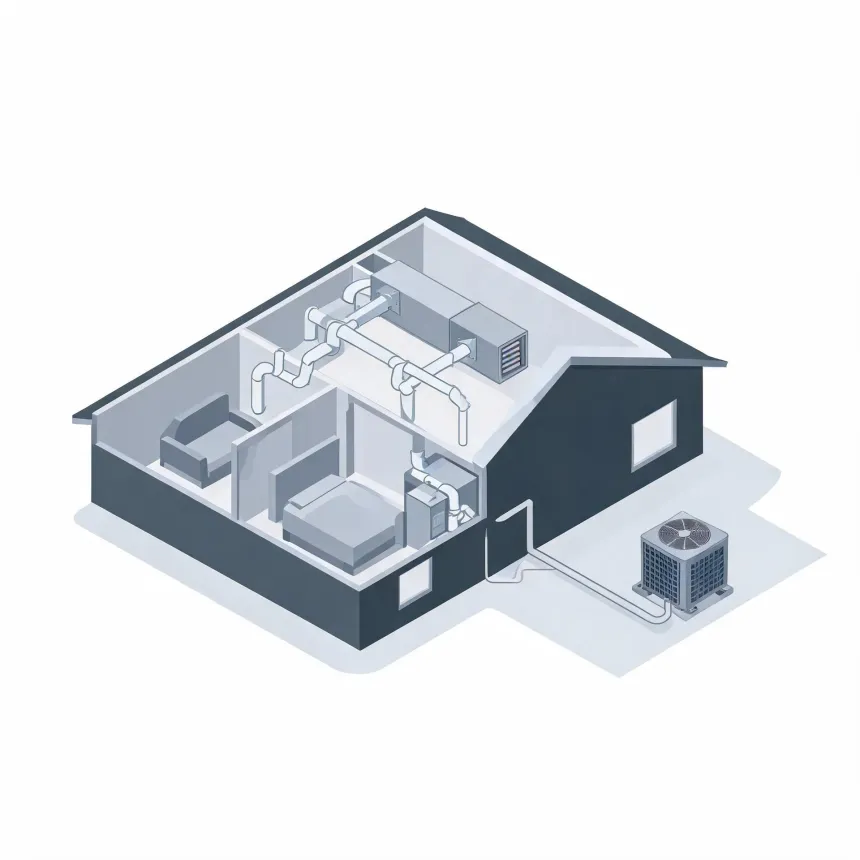
Isometric cutaway illustration of a house showing interior ductwork, an air handler and furnace unit, and an outdoor condenser connected by lines outside the wall.
Your air conditioner works hardest from June through August.

NOAA nClimDiv, 1991–2020 normals

A bigger air conditioner does not cool a house faster, it just shuts off sooner.

Short cycles like that leave moisture in the air, so the room feels cool but damp.

Four months of summer, 90 degrees in the afternoon. Nothing here calls for more than a standard system.

Cooling runs June through September
Summer afternoons average 90°F
Climate zone 4B
Most homes here already run on electricityElectric heat runs 58.4% of homes in Lincoln County, the most of any fuel here.

The old condenser outside gets disconnected and hauled off, and the indoor coil gets swapped too if it's not already a matched set. A contractor will recover the refrigerant from the lines before anything comes apart, since that gas can't just be vented into the air. If the old lines are the right size for the new system, they get reused. If not, that's new copper line set, not just a new condenser sitting on old pipe. Worth asking which one you're getting, since it changes what the crew has to do that day. The pad the old unit sat on usually stays, and the new unit sits right back on it unless it's cracked or too small for the replacement.

Efficiency pays here

Power costs more here, so an efficient system pays you back on every bill.

Find a contractor
A gray residential air conditioner condenser unit mounted on a concrete pad in an open grass field.

The questions that matter happen before the unit is picked

Ask how the contractor sized the system, not just what size it is. Sizing comes from a load calculation that weighs square footage, insulation, window area and orientation. It is not a rule of thumb based on the old unit. A system sized off the wrong math runs short, choppy cycles for years. Ask too what happens to the ductwork. A new system pushing air through old, leaky or undersized ducts won't deliver the capacity you paid for. A contractor should look at the ducts before quoting the install, not after. Ask what the warranty covers if the compressor or coil fails early. Some cover parts only. Others cover labor too, and for a longer stretch.

What SEER2 actually measures

SEER2 is a seasonal average, not a fixed speed the unit runs at. It compares the cooling a system delivers against the power it draws over a whole season of mild days and brutal ones mixed together. Units with the same tonnage can carry different SEER2 numbers because of what's inside. The compressor design, the coil size, the fan all play into it. The rating is how you compare systems on paper before either one ever runs in your house.

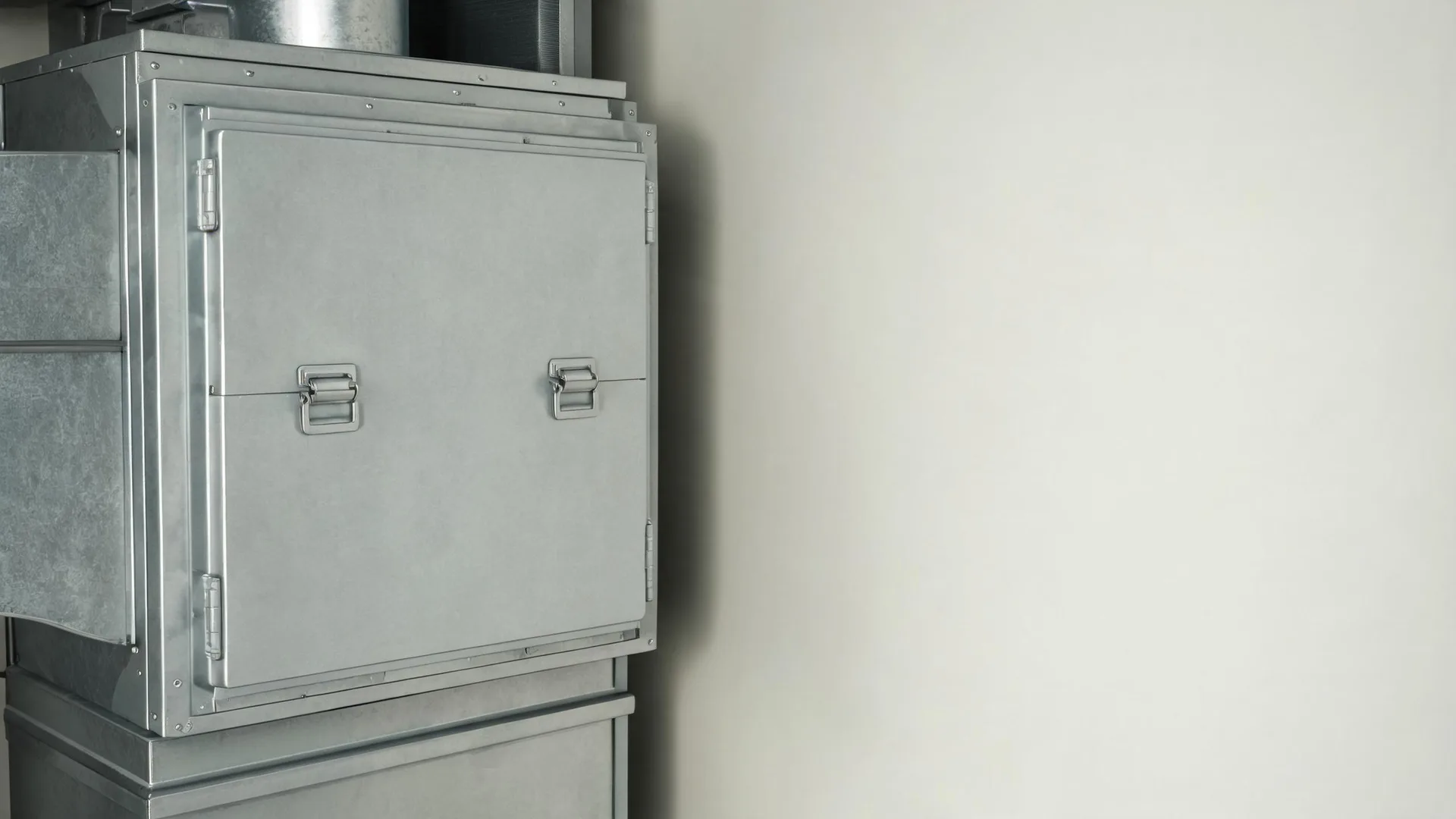
Why the gap shows up most on the worst days

A low-efficiency unit and a high-efficiency one might draw close to the same power on a mild afternoon. Push both hard on a brutal one and the gap opens up. The weaker compressor has to work harder to move the same heat out of the house, so it pulls more power to keep up. The rating on the label is an average across a whole season, but the difference it describes matters most exactly when the system is working hardest.

An outdoor air conditioning condenser unit on a concrete pad next to the gray vinyl siding of a residential home.

Going above the federal minimum saves little here, about $10 a year.

  • A higher-efficiency unit$260 a year
  • A new unit at the federal minimum, 14.3 SEER2$270 a year

Estimates for a typical Lincoln County home, from EIA household energy data, Nevada fuel prices and NOAA climate normals. Your home will differ.

Installation day starts with the old system coming out and the new one going in, but most of the day goes to the parts that don't show up in a photo. Lines get connected, then the system gets evacuated to pull all air and moisture out before any refrigerant goes in. Skip that step and moisture sits in the lines, and it'll cause problems months later, not that day. Once it's charged, a tech checks refrigerant levels against the manufacturer's spec for the line length, not just by feel. Then the system runs through a full cycle while the crew checks airflow at the vents, the temperature split between the air going in and the air coming out, and that the thermostat is actually talking to the equipment. None of that takes as long as pulling the old unit, but skipping it is how a system ends up running for years without ever hitting the capacity it was built for.