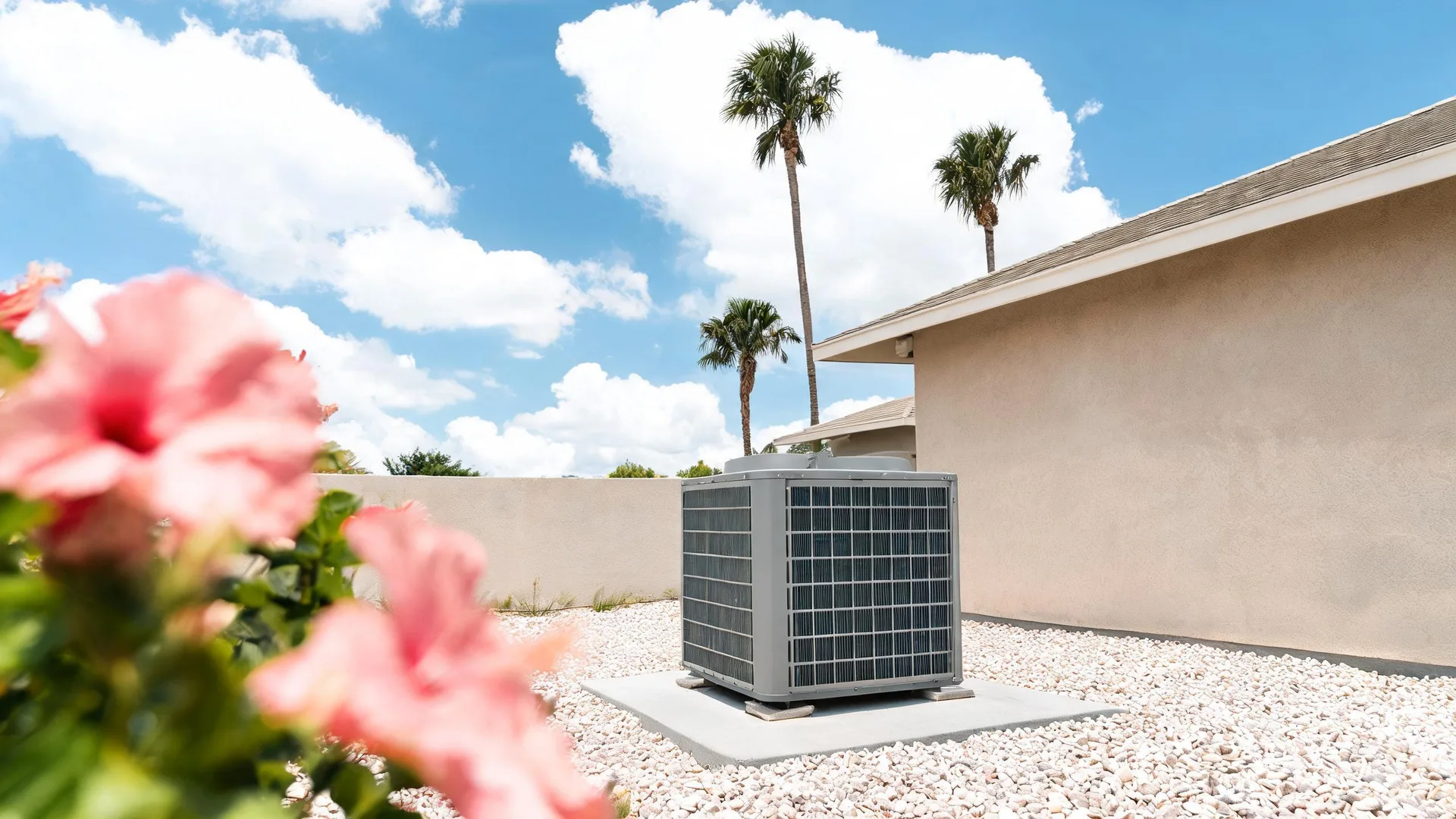
Gas heat is the norm here
Utility gas heats 76.1% of homes in Carson City. An AC installation almost always pairs new outdoor cooling equipment with the gas furnace already running the ductwork, rather than replacing the whole heating side.
Takes about a minute. No obligation.
Utility gas heats 76.1% of homes in Carson City. An AC installation almost always pairs new outdoor cooling equipment with the gas furnace already running the ductwork, rather than replacing the whole heating side.
If your home heats with gas, it has a duct system built to move warm air in winter. That same ductwork carries the cold air once a new AC unit and coil go in, so installation is about matching equipment to what's already run through the house.

NOAA nClimDiv, 1991–2020 normals
Carson City asks for two months of cooling, July and August, with afternoon highs around 83.
A system here is not fighting the heat most of the year, so a well-built reliable unit is the right call, not the highest efficiency one you can find.




A sales rep will quote a tonnage and a SEER2 number and call it done. Ask what they did instead. Did they run a load calculation on this house, or just match the size of the unit that's already out there. A system sized too big cools the air fast and shuts off before it pulls the moisture out, so the house feels clammy even at the thermostat setting you want. One sized right runs longer, steadier cycles and actually dries the air while it cools it. Ask too whether the quote includes a new coil matched to the furnace, or just a new condenser dropped where the old one sat. And ask what gets checked before they call the job finished. Static pressure and refrigerant charge matter more than whether cold air comes out of the vents. Those answers tell you more than the brand name on the unit.
Cooling in Carson City runs July through August. June is the month to get a new system in, before the first hot day finds a problem in the old one. Installed in June, a new AC is tested and running before it has to carry the house through summer.
Find a contractorJuly and August are the only months this system has to carry the house. The rest of the year it sits idle. That light duty is why the reliable choice makes more sense than the top-efficiency one. A unit built well and installed right can run a long time on two months of work a year.
The outdoor condenser and the indoor evaporator coil are sized as a pair. If the coil doesn't match the furnace's airflow, the system can't move enough air across it, and cooling capacity drops no matter how good the outdoor unit is. Matching the coil to the existing furnace cabinet and blower is part of the job, not an extra step.
Refrigerant lines run between the outdoor unit and the indoor coil, and their size has to match the new equipment's charge and capacity. An old line set built for a smaller system sometimes has to come out and be replaced rather than reused, and that work adds time the quote has to account for before the unit ever gets set outside.
Estimates for a typical Carson City home, from EIA household energy data, Nevada fuel prices and NOAA climate normals. Your home will differ.
Installation day starts outside. The old condenser gets disconnected, the refrigerant recovered, and the unit unbolted from its pad. Inside, the evaporator coil comes out of the furnace cabinet. If the line set is being replaced, those copper lines get pulled too. The new coil goes in first, seated and sealed to the furnace so the airflow matches what that furnace was built to move. Then the line set gets run and brazed, not just connected. The new condenser goes on the pad and gets wired in. Before any refrigerant goes in, the system gets evacuated to pull out moisture and air, then charged to the weight the manufacturer specifies for that line length. Once it's running, the work shifts to checking it. Static pressure, airflow across the coil, subcooling and superheat all get checked against the charts for that equipment. A system can start up and sound fine and still be undercharged or short on airflow, and that only shows up once someone checks the numbers.