
The equipment is one line on the quote
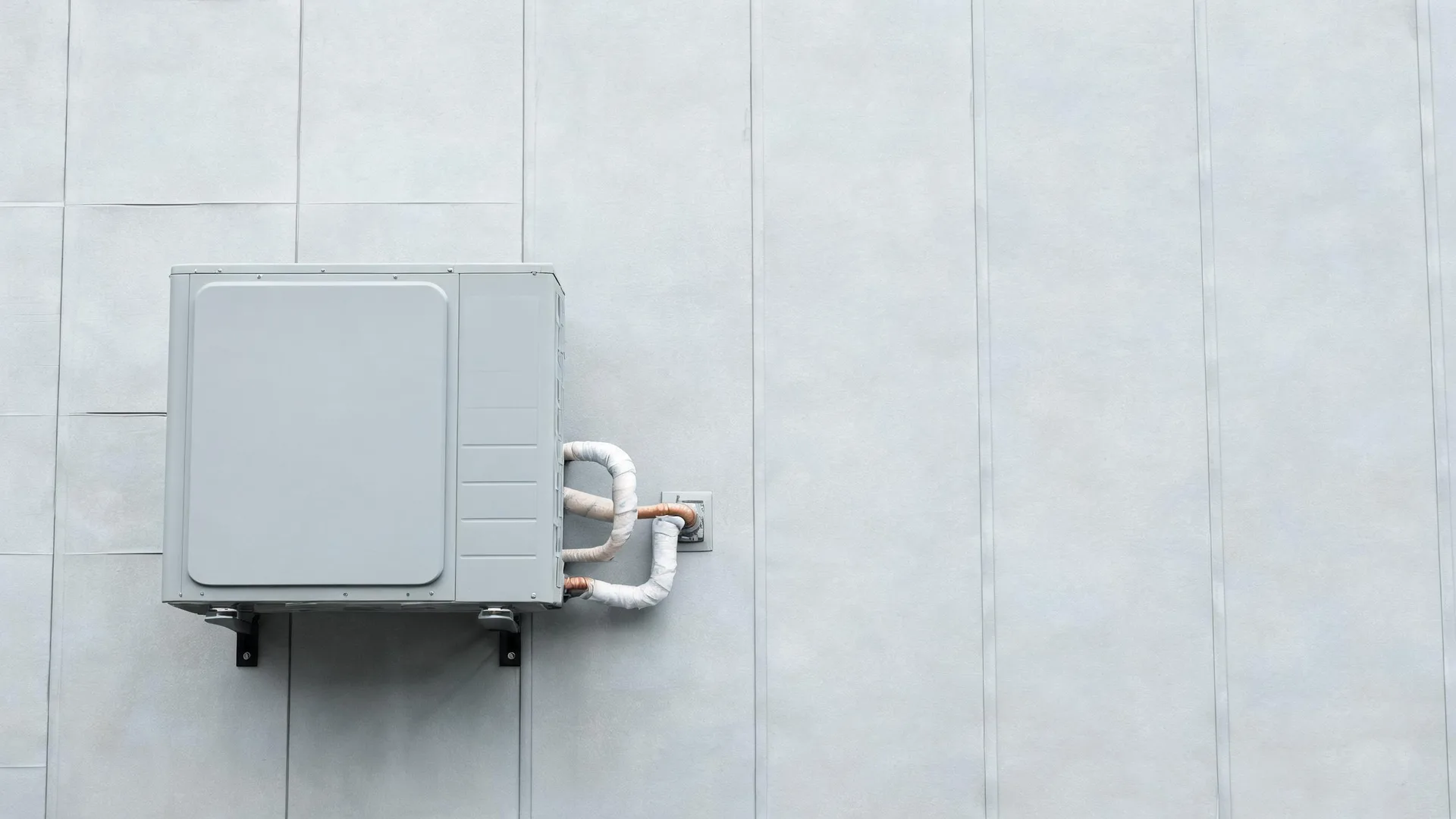
The condenser, the coil, the air handler and the refrigerant lines cost what they cost. A contractor doesn't set that price. What changes around them is labor, and labor is what moves the total.
Takes about a minute. No obligation.
Ask what size unit they are putting in and how they landed on that number. A contractor should measure the house, not guess based on the old system or square footage alone. Too big and it cools the air fast but never runs long enough to pull the moisture out, so the house feels clammy. Too small and it runs constantly and still can't keep up on the hottest days. Ask how they will connect to your existing ductwork too, since a new system pushing air through ducts that don't match it loses efficiency no matter how good the equipment is. And ask about the warranty on labor, not just parts, because a failed part under warranty still costs you if the visit to replace it isn't covered.

NOAA nClimDiv, 1991–2020 normals
The old condenser and coil get disconnected and hauled off once the new system is in place.
The removed equipment has no trade-in value, so your attention belongs on sizing and connecting the new unit right.




Esmeralda County sits in climate zone 4B, dry but with real heating and cooling loads both. Any split-system air conditioner installed here under 45,000 Btu/h has to meet 14.3 SEER2, the Southwest minimum, not the lower federal baseline that applies in other parts of the country. It also has to hit a separate EER2 number, which measures how the unit holds up in direct, dry heat rather than its average efficiency over a season. A contractor quoting a system for Dyer should be able to give you both numbers for the unit they're proposing, not just the SEER2 rating.
A standard size and efficiency fit fine here. There's no local reason to go bigger or pricier.
Find a contractorThe SEER2 number on the label is a seasonal average, not a guarantee of what the unit does on any one afternoon. It gets measured by running the system through a range of conditions, mild and extreme, then averaging the result. A higher number means the compressor is better at backing off and sipping power once the house is cooled, not that it cools faster. Units with the same rating can still behave differently depending on how well they're matched to the house and the ductwork they're pushing air through. The rating also assumes a correctly charged system installed to spec. An undercharged line or a duct leak will pull real-world efficiency below what the label promises, no matter how high the number is.
The condenser, the coil, the air handler and the refrigerant lines cost what they cost. A contractor doesn't set that price. What changes around them is labor, and labor is what moves the total.
Setting a condenser on a pad is the easy part. Running new line set takes time. Modifying ductwork that doesn't match the new unit takes time. Rerouting electrical to meet the disconnect the unit needs takes time. That work is most of what you're paying for.
Estimates for a typical Esmeralda County home, from EIA household energy data, Nevada fuel prices and NOAA climate normals. Your home will differ.
Installation day starts with the old system coming out, then the new condenser goes on the pad and gets leveled before anything is connected. The line set gets run or reused, the coil goes in above the furnace or air handler, and the electrical gets tied into the disconnect. Once everything is connected, the system gets charged with refrigerant to the exact weight the manufacturer specifies, not just until it feels cold. A good contractor pulls a vacuum on the line set first to clear out moisture and air, because either one left in the lines will wreck the compressor over time. After startup, they check the charge, check airflow at the vents, and test the system through a full cycle before calling it done. None of that shows up on the quote as its own line, but it's the difference between a system that runs right for years and one that limps along losing capacity from day one.