




A flat-roofed adobe-style desert house photographed at twilight, surrounded by saguaro cacti and xeriscape landscaping.

AC Installation in Elko, NV

Tell us about the job

Takes about a minute. No obligation.

New system or replacementCentral ACElko County, NV
Step 1 of 2

What ZIP code is the job in?

June is the month to get this done here. Cooling only runs two months, July and August, so there's a real window beforehand to schedule an install without rushing it. Wait until July and you're putting in a new system while you actually need it running, with less room to work through sizing or any surprises in the install. Get it in during June and it's tested and ready before the first hot week hits.

2 months
July through August, your air conditioner is on duty
82°F
the average summer afternoon it cools against
19 hail events
in ten years, and hail bends the fins on outdoor coils
13.4 SEER2
the federal minimum any new unit must meet
Isometric line illustration of a cutaway single-story house showing interior rooms, ceiling ductwork and an air handler, connected to an outdoor condenser unit on a pad beside the building.
Your air conditioner works hardest from July through August.

NOAA nClimDiv, 1991–2020 normals

Electricity in Nevada runs about 15 cents a kilowatt-hour, below the national average.

The payback on a premium-efficiency system stretches out here, so pick the AC for how well it cools your house, not just its efficiency rating.

Two months of real work a year is not a hard life for a compressor

Cooling runs July through August
Summer afternoons average 82°F
428 damaging wind events from 2015 to 2024

A contractor can size two systems for your house and one comes back with a higher SEER2 number and a higher price. Here that gap takes longer to close than it would somewhere paying national average rates. So ask about the load calculation for your house before you ask about the rating on the box. A unit sized right for your square footage and your ductwork will keep you comfortable on the hottest days. One sized off a guess, chasing a number on a sticker, might not, no matter what it says about efficiency.

Elko installs have to meet the Southwest's higher efficiency standard

Any new split system going into Elko County has to meet 14.3 SEER2 and the EER2 requirement that goes with it, the Southwest standard, not just the national minimum. That's the floor a contractor has to design to here. On top of that, a federal tax credit is available for qualifying high-efficiency equipment, worth checking into before you settle on a unit.

Find a contractor
A gray metal air conditioning condenser unit mounted on a concrete pad in a flat grassy field under a partly cloudy sky.

A light workload, most of the year

Two months a year, afternoons near 82. That's the job this system signs up for in Elko County. A straightforward single-stage unit, sized right for your house, will handle that load without strain. Put the money you'd spend chasing a higher SEER2 number toward the install instead, good ductwork, a correct charge, a clean setup. That's what decides how long it lasts out here, not the rating on the box.

Ask what happens to the old ductwork

A new condenser and air handler can move more air, or less, than what's there now. If nobody checks the supply and return sizing against the new equipment, you can end up with a system that's rated well but still leaves rooms uneven or runs louder than it should. Ask the contractor to look at the ducts, not just swap the boxes on each end.

Ask who stands behind the labor, not just the parts

Every manufacturer backs its own equipment for some number of years. That's separate from who backs the work of installing it. A refrigerant leak at a brazed joint or a wiring mistake shows up on the labor side, not the parts side. Get that answer from the contractor directly instead of assuming the equipment warranty covers it.

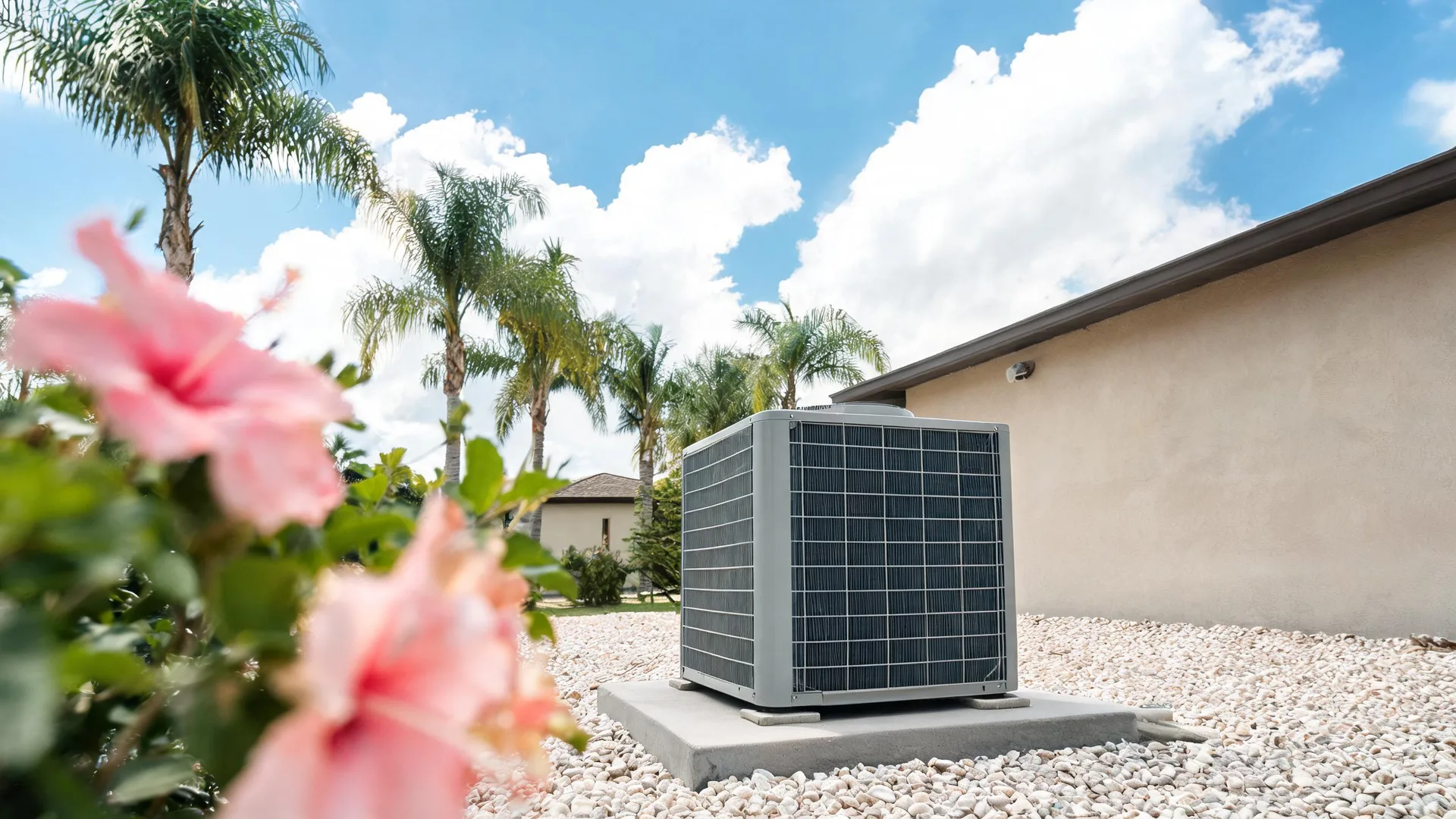
An outdoor air conditioning condenser unit installed beside the exterior wall of a blue vinyl-sided house at sunset.

Going above the federal minimum saves little here, about $0 a year.

  • A new unit at the federal minimum, 14.3 SEER2$70 a year
  • A higher-efficiency unit$70 a year

Estimates for a typical Elko County home, from EIA household energy data, Nevada fuel prices and NOAA climate normals. Your home will differ.

Install day starts with the old equipment coming out, the condenser outside and the air handler or coil wherever it sits inside. Before anything new goes in, a contractor should run a load calculation rather than just matching the size of what was there. That number decides which unit goes in, how the refrigerant lines get run, and whether the existing ductwork can handle it or needs changes at the plenum. Setting the new condenser, running line set, wiring it in. That's the bulk of the physical work. What actually decides how the system performs happens after it's connected. The refrigerant gets charged to the exact level the manufacturer specifies, and airflow across the coil gets checked. A unit that's even a little overcharged or undercharged will run, but it won't cool the way it should and it won't last as long doing it. Before the crew leaves, the system should get tested through a full cycle, not just switched on and left.