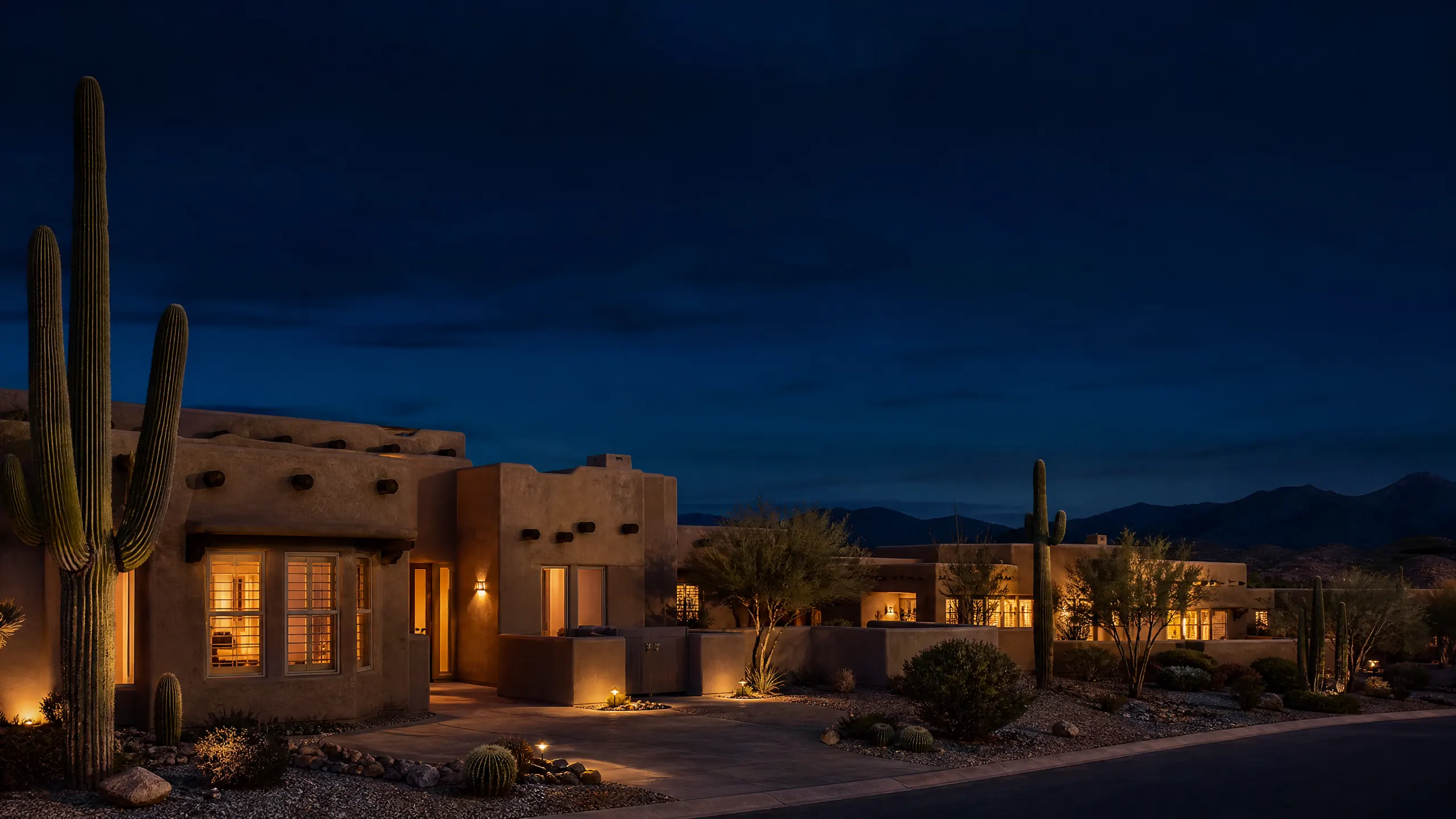






A flat-roofed adobe house lit from within at dusk, surrounded by saguaro cacti and desert landscaping with mountains in the background.

AC Installation in Ely, NV

Tell us about the job

Takes about a minute. No obligation.

New system or replacementCentral ACWhite Pine County, NV
Step 1 of 2

What ZIP code is the job in?

Most homes in White Pine County heat with electricity, 64.5% of them. If your furnace runs on electric heat, central air conditioning usually ties into the same ductwork already in place, which makes installation more straightforward. Gas heat shows up too, in 15.4% of homes, usually bottled, tank or LP gas rather than a utility line. Either way, the AC side of the job is separate from how you heat. A new condenser and coil still need to match your home's size and your existing ducts, whatever fuel the furnace burns.

2 months
July through August, your air conditioner is on duty
82°F
the average summer afternoon it cools against
3 hail events
in ten years, and hail bends the fins on outdoor coils
13.4 SEER2
the federal minimum any new unit must meet
Isometric cutaway illustration of a single-story house showing interior rooms with furniture, overhead ductwork, an indoor air handler unit, and an outdoor condenser unit connected by lines at the side of the building.
Your air conditioner works hardest from July through August.

NOAA nClimDiv, 1991–2020 normals

Half the homes in White Pine County were built in 1970 or earlier.

A new AC system in a house that old has to work with the ductwork and layout already there, not some ideal setup.

Cheap power here means the payback on a premium-efficiency unit is slow

Power costs 15 cents a kWh statewide
Cooling runs July through August
Summer afternoons average 82°F
Get cooling installed before JulyCooling runs about two months a year here, July through August.

White Pine County falls under zone 5B, a cool climate where heating does more work over the year than cooling does. That doesn't lower the bar for a new air conditioner. Any split system installed here now has to meet 14.3 SEER2, the regional minimum for the Southwest, along with a separate EER2 requirement tied to how the unit is certified. That's higher than the old nationwide floor of 13.4 SEER2, which still applies in other parts of the country. A federal tax credit is available for equipment that goes beyond the minimum, but whatever gets installed has to clear this regional standard first.

Fit it to your house

If you're replacing a system in an older house, the new one has to fit the house you have.

Find a contractor
An outdoor air conditioning condenser unit mounted on a concrete pad beside a house, with electrical conduit running to a wall-mounted disconnect box.

Sized for the house, not guessed at

A contractor works out the right size with a load calculation, room by room, counting windows, ceiling height, and how the house is laid out. Skip that step and guesswork takes over. Too big and the unit cools the air fast but shuts off before it pulls the moisture out, so the house feels clammy even at the right temperature. It also cycles on and off more than it should, and every startup wears on the compressor. Too small and it runs constantly on the hottest days, struggling to catch up and never quite getting there. Either mistake shortens the life of the system. The right size runs in long, steady cycles that match what the house actually needs, nothing more.

What the number measures

SEER2 is an average over the whole stretch the system runs, not a reading of how it performs on any single hot afternoon. It compares the cooling a system puts out against the electricity it draws, under set test conditions. A higher number means the compressor and coil pull more cooling out of every bit of power they use. It won't tell you what a bill will look like, since the ductwork the coil ties into and how the system was sized for the house both feed into that too.

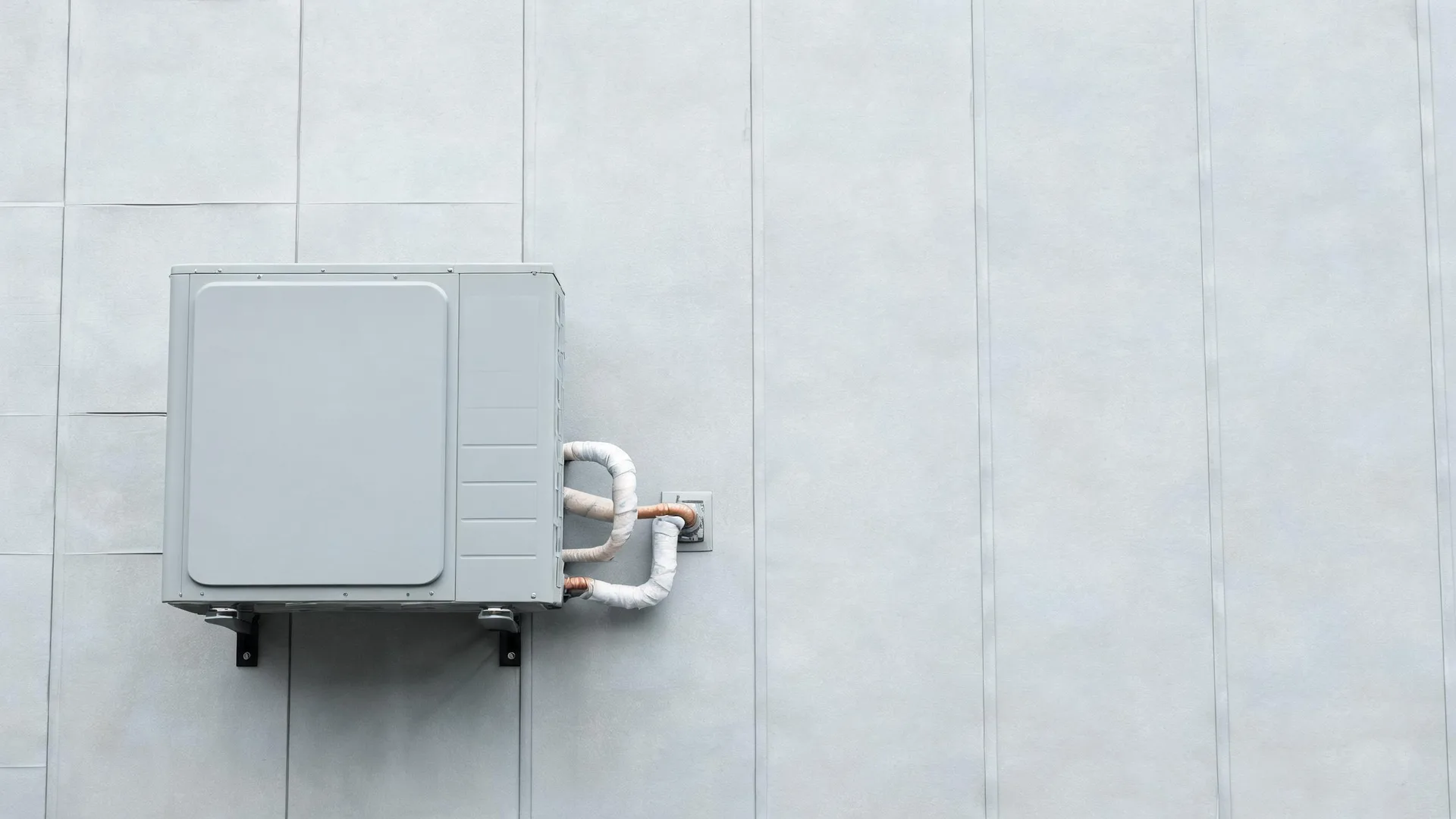
The rating assumes a correct installation

A condenser and coil carry their SEER2 number as a matched pair, tested together. Swap in a different coil, leave the refrigerant charge off, or run the system through ducts that restrict airflow, and the unit won't hit the number on its label. The rating is a ceiling for what that equipment can do, not a guarantee of what it will do once it's in the house.

An outdoor air conditioning condenser unit positioned beside a blue-sided house at sunset.

Going above the federal minimum saves little here, about $0 a year.

  • A new unit at the federal minimum, 14.3 SEER2$80 a year
  • A higher-efficiency unit$80 a year

Estimates for a typical White Pine County home, from EIA household energy data, Nevada fuel prices and NOAA climate normals. Your home will differ.

Installation day starts with the old equipment coming out, the condenser outside and the coil that sits in the plenum above or beside the furnace. The line set gets replaced or cleaned out, because old refrigerant oil left behind can contaminate a new system. Once the new coil is in, the contractor brazes the refrigerant lines, pressure tests them for leaks, then pulls a vacuum to drive out any moisture before charging the system. That charge gets weighed in or set against the manufacturer's chart, not eyeballed. On the electrical side, the condenser needs its own disconnect and the right breaker size, and the thermostat wiring gets checked if it's being replaced too. Before anyone leaves, the system should run through a full cycle while the contractor checks airflow at the vents and confirms the charge is correct.