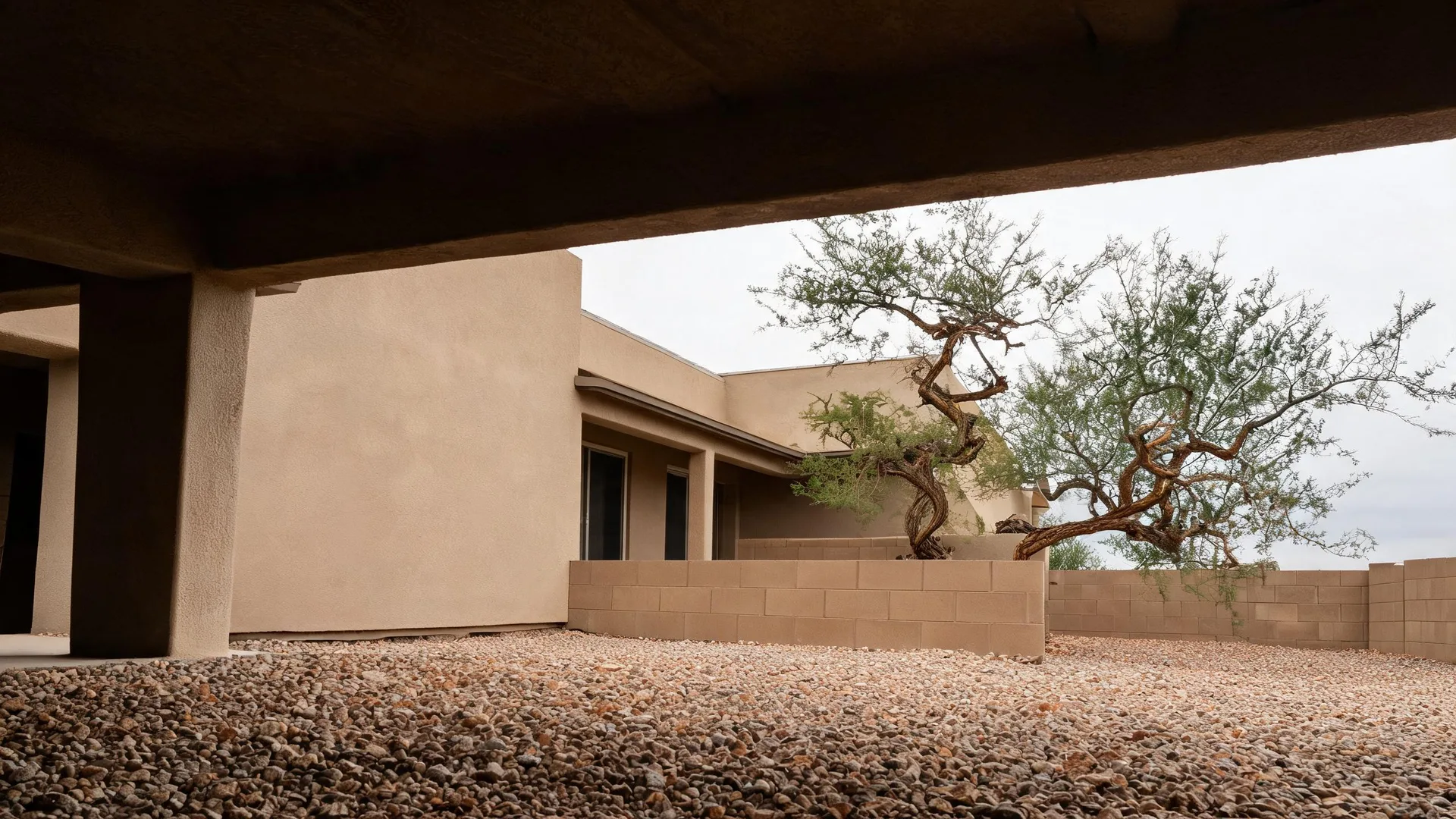







View from beneath a covered patio of a single-story stucco house with a block wall, gravel ground cover, and two twisted-trunk trees under an overcast sky.

AC Installation in Fallon, NV

Tell us about the job

Takes about a minute. No obligation.

New system or replacementCentral ACChurchill County, NV
Step 1 of 2

What ZIP code is the job in?

Gas heats just over half the homes in Churchill County, more than any other fuel. If your furnace runs on gas, a new AC usually pairs with it as a split system, with the coil matched to the furnace you already have rather than swapping out both. Electricity and propane each heat a smaller share of homes here, and for those an installer may be setting up a heat pump or a straight AC differently. Worth knowing which fuel your current system uses before comparing quotes, since that changes what equipment actually fits.

3 months
June through August, your air conditioner is on duty
89°F
the average summer afternoon it cools against
13.4 SEER2
the federal minimum any new unit must meet
Isometric cutaway illustration of a single-story house showing interior rooms with ductwork and an air handler, connected by refrigerant lines to an outdoor condenser unit on the left.
Your air conditioner works hardest from July through August.

NOAA nClimDiv, 1991–2020 normals

Cooling runs three months here, June through August, with afternoon highs around 89.

A system that short on duty doesn't need to be the top efficiency model to earn its keep.

May is when you replace it, before June asks it to run

Cooling runs June through August
Climate zone 5B
Power costs 15 cents a kWh statewide
A standard system fits this jobNevada electricity ran 15 cents a kilowatt-hour in 2024

Fallon falls under the Southwest rule, not the milder one that covers a lot of the country. A new split system here has to hit at least 14.3 SEER2. It also has to meet a separate EER2 number, which is the part that matters in a dry climate like this one, where the heat comes from high afternoon temperatures rather than humidity. SEER2 is tested one way, EER2 another, and a unit can clear one without automatically clearing the other. An installer quoting a new system below that SEER2 floor isn't quoting something you can legally put in here. Worth asking which EER2 tier the equipment is certified at, since that number won't show up on the SEER2 sticker alone.

Pick reliable, not top of the line

It won't be worked hard here, so pick a reliable system that fits. You don't need the top efficiency model.

Find a contractor
A man in a dark jacket, cap and tan work pants, seen from behind, carries a worn canvas tool bag up wooden porch steps toward a red front door.
An outdoor air conditioning condenser unit mounted on a concrete pad beside a house, with electrical conduit running to a wall-mounted disconnect box.

The sticker tells you an average, not what happens on the hottest day

The SEER2 number on the label is a seasonal average, not a promise about any one afternoon. It's measured across a whole range of outdoor temperatures, mild and hot mixed together, then boiled down to one figure. EER2 is different. It's measured at a single high outdoor temperature, which is why it tracks what the system actually does on the worst afternoons rather than what it averages over easier days. A higher SEER2 number mostly buys you lower cost on the mild days, when the compressor isn't working hard anyway. It doesn't buy you much on the day the system is actually struggling to keep up. That's the number worth understanding before you pay more for it.

The old unit gets disconnected and hauled off

An installer recovers the refrigerant from the old system before touching anything, since it can't legally be vented to the air. After that the lines get disconnected, the old condenser and coil come out, and the equipment is hauled away for scrap. The copper and aluminum inside it have value, so most of it ends up recycled rather than landfilled.

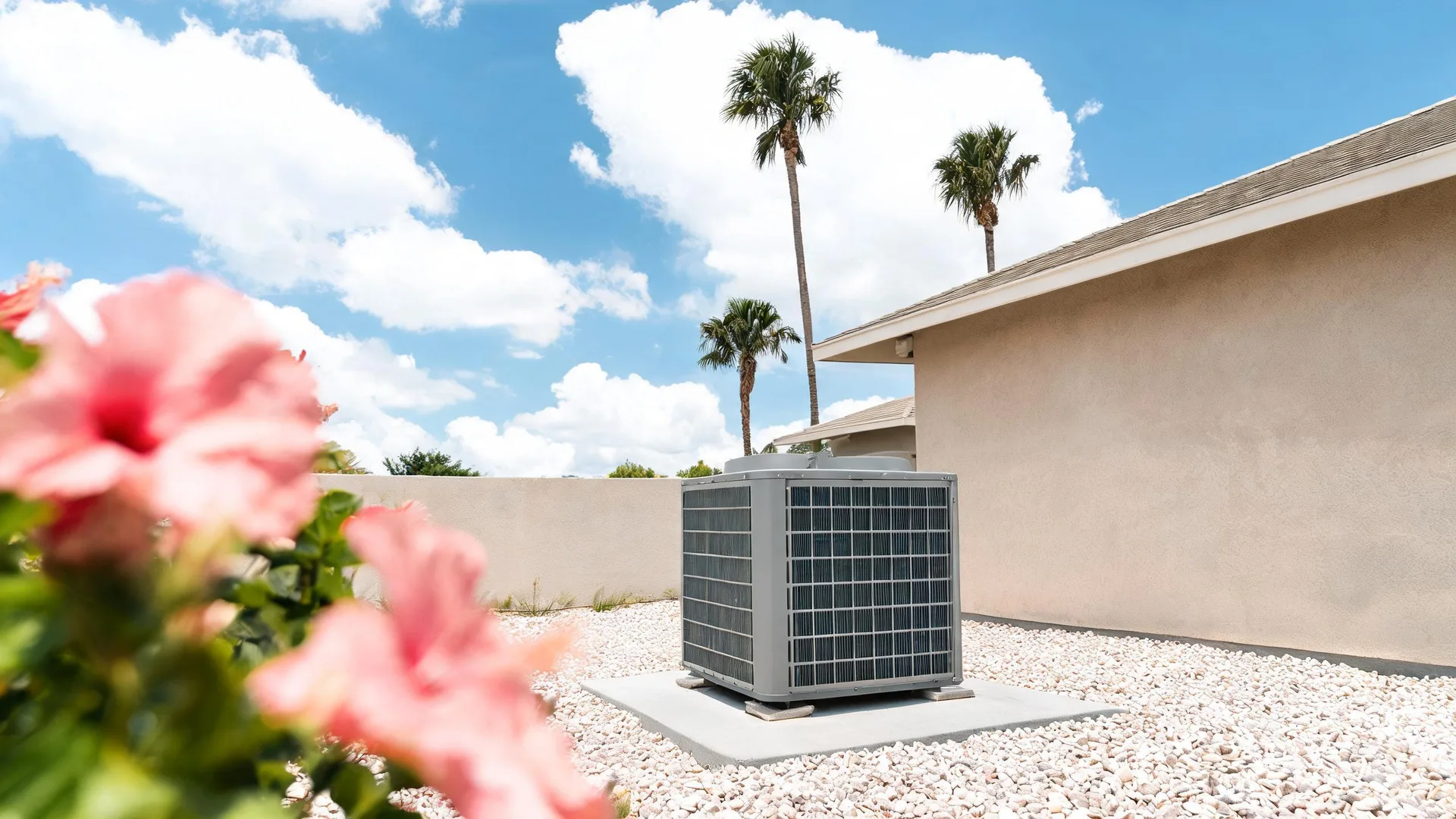
What's underneath it usually stays

The pad the old condenser sat on, the electrical disconnect box, and the line set running to the coil often get reused if they're in good shape. An installer checks the line set size matches what the new system needs before keeping it, since a mismatch can hurt how the system runs. The ductwork and thermostat wiring stay regardless, unless the job calls for changing those too.

Overhead view of a gray outdoor AC condenser unit on a concrete pad beside a mulched garden bed and a house with vinyl siding.

Going above the federal minimum saves little here, about $10 a year.

  • A higher-efficiency unit$170 a year
  • A new unit at the federal minimum, 14.3 SEER2$180 a year

Estimates for a typical Churchill County home, from EIA household energy data, Nevada fuel prices and NOAA climate normals. Your home will differ.

Install day starts with the load calculation the installer already ran, not a guess made on site. The new condenser goes on the pad, the coil goes in above or beside the furnace, and the line set connecting them gets brazed, not just fitted together. Those joints get pressure tested before anything is charged, since a slow leak at a bad joint is one of the most common comebacks. Once the system holds pressure, it gets evacuated to pull moisture and air out of the lines, then charged with refrigerant to the weight the manufacturer specifies for that line length. The last part is airflow, not refrigerant. An installer checks static pressure in the ducts and confirms the blower is moving the air the new coil needs, because a coil fed too little air will frost up no matter how correct the charge is. Only after all of that gets checked does the thermostat get programmed and handed over.