





View from under a dark wooden patio roof across a gravel yard toward a stucco house wing, a low concrete block wall, and a large gnarled tree.

AC Installation in Fernley, NV

Tell us about the job

Takes about a minute. No obligation.

New system or replacementCentral ACLyon County, NV
Step 1 of 2

What ZIP code is the job in?

Gas heats 67.5 percent of homes in Lyon County, the most of any fuel here. Electricity comes in second at 15.8 percent, with propane making up most of the rest. A gas furnace almost always means a central system, with ducts already running to each room. That matters for AC, since a new air conditioner can usually tie into the same ductwork rather than needing new runs cut through the house. If your home heats with gas, ask about pairing the new AC with your existing furnace rather than treating it as a separate job.

2 months
July through August, your air conditioner is on duty
87°F
the average summer afternoon it cools against
1 hail events
in ten years, and hail bends the fins on outdoor coils
13.4 SEER2
the federal minimum any new unit must meet
Isometric cutaway illustration of a small house showing interior rooms with furniture, an indoor air handler with ducts in the attic space, and refrigerant lines running to an outdoor condenser unit on a pad.
Your air conditioner works hardest from July through August.

NOAA nClimDiv, 1991–2020 normals

Lyon County logged 305 damaging wind events between 2015 and 2024.

A standard install, done right, holds up fine against that. No need to pay for more than your home needs.

A standard system, sized right, is all Fernley needs

Power costs 15 cents a kWh statewide
Climate zone 4B
Cooling runs July through August

Zone 4B asks real work of both heating and cooling here, and the rules for a new air conditioner reflect that. Fernley falls under the Southwest's regional rule, not just the national minimum, so a new split system below 45,000 Btu/h has to hit 14.3 SEER2. There's a second number too, an EER2 rating, which looks at how the unit performs in direct, dry heat rather than its average over a season. Between those two, the equipment that qualifies here is narrower than what you'd find listed as the baseline nationally. A federal tax credit is available for qualifying systems, worth checking against whatever you're comparing.

Have it in before July

Cooling here runs July through August. June is the last quiet month to get a new system in, before the heat makes it urgent. Sort out the installation now and it happens on your schedule, with time to compare equipment properly, instead of a rushed call once the temperature's already climbing.

Find a contractor
A man in a cap, blue long-sleeve shirt and tan pants climbs porch steps toward a red front door, carrying a canvas tool bag beside a red planter.
A gray residential air conditioning condenser unit mounted on a concrete pad outdoors, surrounded by green grass under a partly cloudy blue sky.

Sized for this house, not just its square footage

A system sized right runs long, steady cycles and shuts off. One sized too big blasts the room cold and quits before it's pulled the moisture out of the air, so the house feels clammy even at the temperature you want. That start and stop also wears the compressor harder than a long steady run would. Too small, and it never quits trying, running nearly the whole day and still losing ground on the hottest afternoons. Getting it right means a contractor works out the heat load for this specific house, room by room, counting windows, insulation, and which way the house faces, not just the square footage. Equipment picked off a chart by floor area alone is a guess. A proper load calculation isn't.

The old unit gets disconnected and hauled off

A contractor recovers the refrigerant from the old system before touching anything else. It's against the law to vent it into the air, so that gets pulled out with a recovery machine and taken off site. After that the old condenser, the old coil, and any line set that isn't being reused come out. Most contractors include haul away as part of the install, but it's worth confirming before the work starts rather than after.

The ductwork decides how much of the old job stays

If the existing ducts are sound, the new system ties into them and the old equipment is the only thing that changes. A contractor checks the duct runs for leaks, crushed sections, or sizing that never matched the old unit well to begin with. Problems there get fixed now, while the system is already apart, since sealing ducts after a new unit is running means redoing work instead of finishing it.

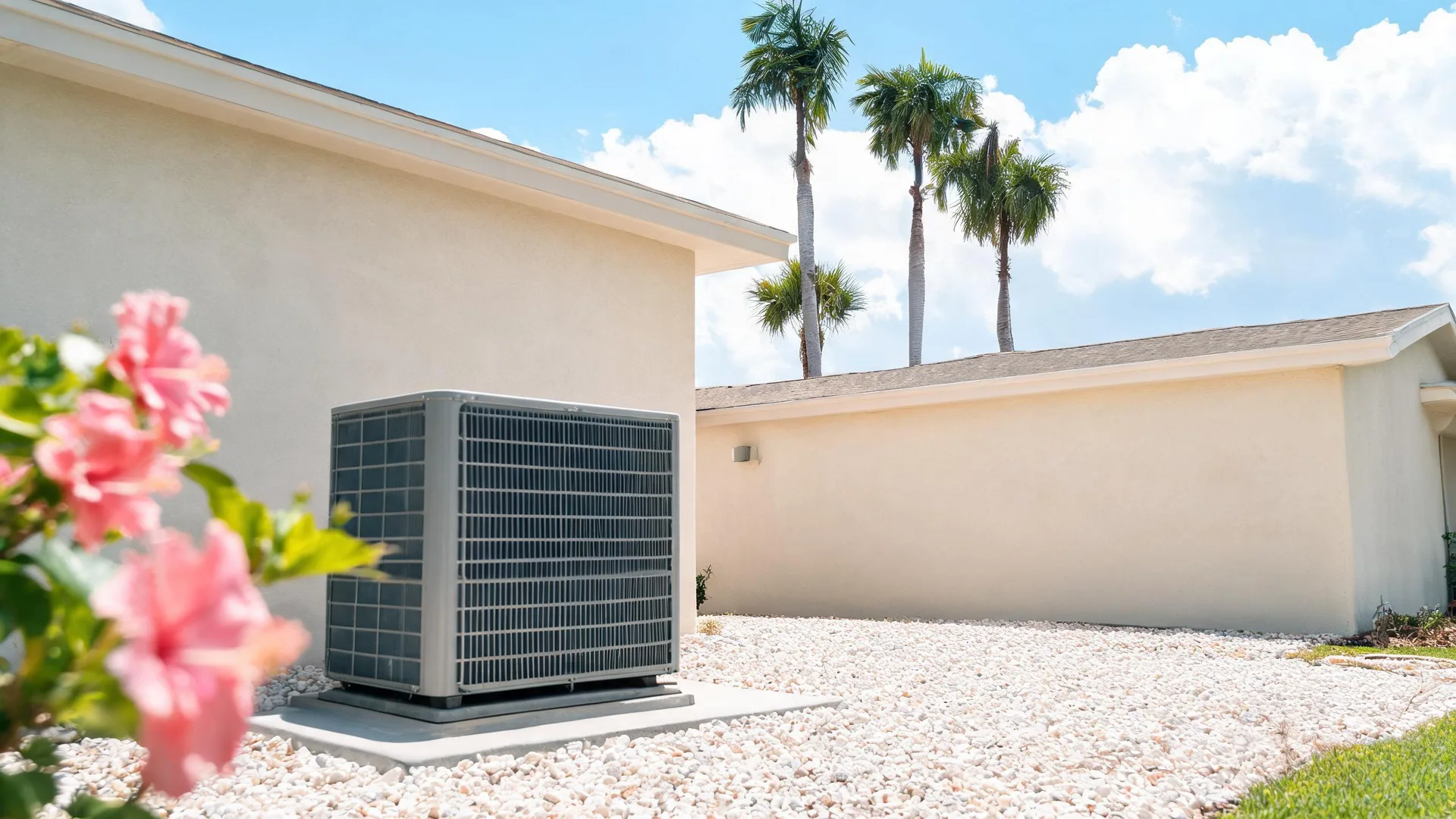
An outdoor air conditioning condenser unit on a concrete pad next to the gray vinyl siding of a residential home.

Going above the federal minimum saves little here, about $0 a year.

  • A new unit at the federal minimum, 14.3 SEER2$150 a year
  • A higher-efficiency unit$150 a year

Estimates for a typical Lyon County home, from EIA household energy data, Nevada fuel prices and NOAA climate normals. Your home will differ.

Installation day starts with the refrigerant recovery and old equipment removal, then moves to setting the new condenser on its pad and the coil in the air handler or furnace. Once the line set is connected, a contractor pulls a vacuum on the lines before opening them to refrigerant, which clears out moisture and air that would otherwise sit in the system and cause problems later. Skipping that step is one of the more common shortcuts, and it's one you can't see once the job is closed up. After charging the system, the contractor checks refrigerant levels against the manufacturer's specs, tests airflow at the vents, and confirms the thermostat is talking to the new equipment correctly. A combustion or electrical check on the furnace side happens too, if the job touched that equipment. Expect a walkthrough at the end, where the contractor shows you the new thermostat settings and points out anything they had to adjust along the way.