




A flat-roofed adobe house lit from within at dusk, surrounded by saguaro cacti and desert landscaping with mountains in the background.

AC Installation in Lovelock, NV

Tell us about the job

Takes about a minute. No obligation.

New system or replacementCentral ACPershing County, NV
Step 1 of 2

What ZIP code is the job in?

Pershing County is in climate zone 5B, where heating carries the bigger load and the air stays dry most of the year. Lovelock still falls under the Southwest's regional rule for new air conditioners, not just the national minimum. A split system below 45,000 Btu/h has to be rated at least 14.3 SEER2 to go in here. It also has to meet a separate EER2 minimum, which measures how the unit holds up on the hottest afternoons rather than its average efficiency over the season. That second number is the one worth asking about, since two systems can share the same SEER2 rating and still perform differently once the heat is actually on.

3 months
June through August, your air conditioner is on duty
88°F
the average summer afternoon it cools against
13.4 SEER2
the federal minimum any new unit must meet
Isometric grey illustration of a cutaway single-story house showing interior rooms, ceiling ductwork connected to an indoor air handler, and an outdoor condenser unit linked by lines outside the wall.
Your air conditioner works hardest from July through August.

NOAA nClimDiv, 1991–2020 normals

Mobile homes make up over half the housing in Pershing County.

A correctly matched system size still matters, mobile home or not.

May is the month to get it in, before June starts the three months that matter

Cooling runs June through August
Climate zone 5B
Power costs 15 cents a kWh statewide

A standard system at the zone's required efficiency is enough for a Lovelock home. There's nothing about the climate or the grid here that calls for going bigger or paying for something above what the zone already requires. Nevada homes paid 15 cents per kilowatt-hour in 2024, which is just the going rate for power here, not a reason to size up or chase a higher rating on the label. What keeps the summer bill in check is a system matched to the house, installed correctly.

Meet the standard here

A new system here has to meet this region's minimum efficiency, which limits what can go in.

Find a contractor
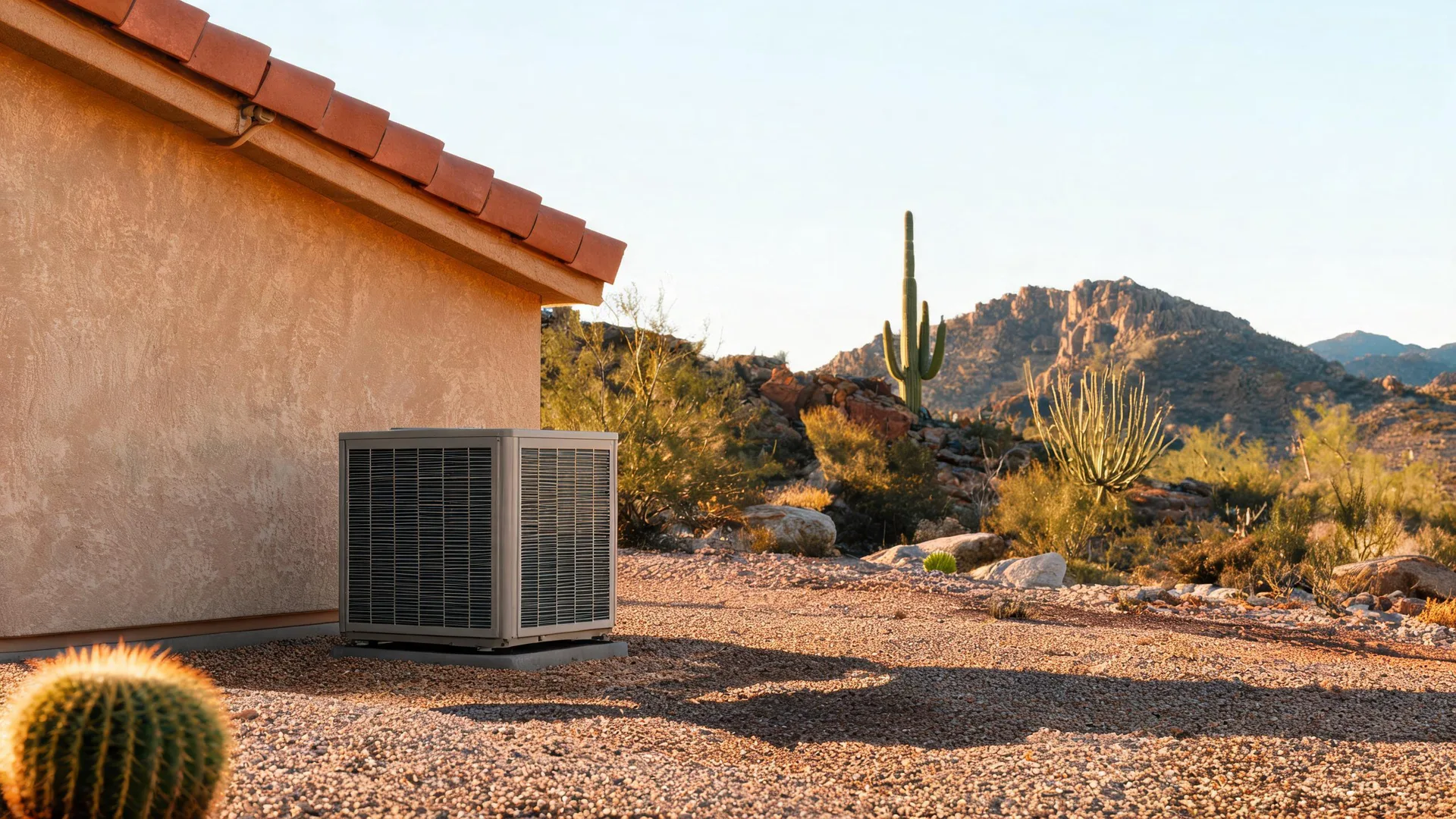
An outdoor air conditioning condenser unit mounted on a concrete pad surrounded by gravel, photographed against a partly cloudy blue sky.

Three months of work a year

Three months of cooling here, June through August, with afternoons averaging 88°F. That's the whole job. The rest of the year the system sits idle. A unit here doesn't rack up the hours one in a hotter, longer climate would, so the compressor and coil see less wear over their lifespan. That's also part of why a repair is usually worth making instead of replacing outright, since age and neglect wear a system down here more than the workload does. Wind is the other thing worth planning for. Securing the outdoor unit and keeping it clear of blowing debris matters more here than squeezing out extra efficiency.

The old unit gets hauled away

A contractor doing the install will disconnect the old condenser and coil, recover the refrigerant, and take the equipment with them. The refrigerant can't legally be vented to the air, so it gets pulled out with a recovery machine before anything is unbolted. None of that is left for the homeowner to deal with.

The line set and pad often stay

If the copper line set running between the indoor coil and outdoor unit is in good shape, a contractor may reuse it rather than run new lines. The same goes for the concrete pad outside. Reusing what's sound keeps the job simpler, but anything worn, undersized, or the wrong type for the new refrigerant gets replaced rather than patched in.

Overhead view of a gray outdoor AC condenser unit on a concrete pad beside a mulched garden bed and a house with vinyl siding.

Going above the federal minimum saves little here, about $10 a year.

  • A higher-efficiency unit$160 a year
  • A new unit at the federal minimum, 14.3 SEER2$170 a year

Estimates for a typical Pershing County home, from EIA household energy data, Nevada fuel prices and NOAA climate normals. Your home will differ.

Install day starts with the old system coming out before the new one goes in, so expect the house without cooling for a stretch while that happens. A contractor will set the outdoor unit on its pad, run or reuse the line set, and mount the indoor coil to the furnace or air handler. Once the lines are connected, the system gets evacuated with a vacuum pump to pull out any air and moisture before refrigerant goes in. That step matters more than it looks like from the outside. Moisture left in the lines turns corrosive once refrigerant hits it, and it will shorten the life of the compressor. After charging, a contractor checks airflow, static pressure, and the refrigerant charge against the manufacturer's spec rather than just switching it on and walking away. The system should be cooling by the time they leave, with the thermostat and any new wiring tested before the job is called done.