






A low-profile adobe house with glowing windows and landscape lighting, surrounded by desert rocks, shrubs, and a saguaro cactus at dusk.

AC Installation in Pahrump, NV

Tell us about the job

Takes about a minute. No obligation.

New system or replacementCentral ACNye County, NV
Step 1 of 2

What ZIP code is the job in?

Electricity heats 75.8% of homes in Nye County, more than any other fuel. A new AC installs alongside an existing electric furnace or air handler without any gas line to deal with. Only 4.7% of homes here use utility gas, so if your system came with the house, odds are good it runs on electric already. That keeps installation simpler and the new unit matched to what's already there.

3 months
June through August, your air conditioner is on duty
88°F
the average summer afternoon it cools against
3 hail events
in ten years, and hail bends the fins on outdoor coils
13.4 SEER2
the federal minimum any new unit must meet
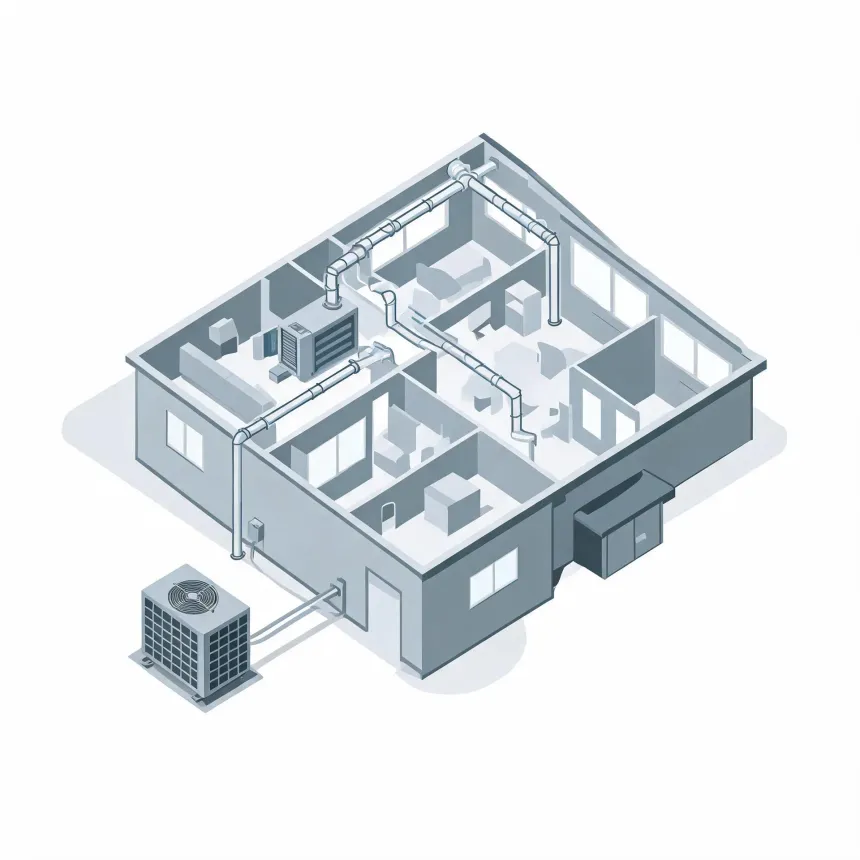
Isometric grayscale illustration of a cutaway house showing interior rooms, ceiling ductwork connected to an indoor air handler, and an outdoor condenser unit linked by lines along the exterior wall.
Your air conditioner works hardest from July through August.

NOAA nClimDiv, 1991–2020 normals

A quote should list the tonnage and the SEER2 rating, not just a price.

Installers can quote the same price for systems that cool very differently.

Three months of summer here doesn't ask for anything extra

Cooling runs June through August
Summer afternoons average 88°F
356 damaging wind events from 2015 to 2024
Pahrump doesn't ask for anything extraNevada homes paid 15 cents per kilowatt-hour in 2024, nothing unusual to size around

Cooling here runs June through August, so May is the month to get a new system in. Wait until the first hot week and you're choosing from whatever is in stock, on whatever schedule the installer has open. Go in May and you get the tonnage and SEER2 rating that actually fits your house, installed before you need it running. A new system also needs time to get set up right, the refrigerant charge checked and the airflow balanced, and that work goes better when nobody is standing in a hot living room waiting on it.

Meet the standard here

A new system here has to meet this region's minimum efficiency, which limits what can go in.

Find a contractor
A man in a dark long-sleeved shirt and dirt-stained tan jeans walks away from the camera up porch steps toward a red front door, carrying a worn canvas and leather tool bag.
A gray residential air conditioning condenser unit mounted on a concrete pad outdoors, surrounded by green grass under a partly cloudy blue sky.

The old unit runs until the day it doesn't have to

The old system doesn't get easier on itself waiting for replacement day. A compressor near the end of its life is usually drawing harder to do the same job, the oil inside it breaking down, the windings more likely to short when it kicks on than when it's running steady. If it's low on refrigerant, every cycle between now and swap day is pulling moisture and air into a line set that should stay sealed, which eats at the compressor faster than a full charge would. None of that means it will fail before the new unit goes in. It means a system on its way out doesn't owe you a clean shutdown, so most installers will plan for it to run until the day of the swap rather than banking on it making a clean exit.

Tonnage and ductwork decide most of it

A system sized for the house costs what it costs, and going a size up doesn't cool better, it cycles on and off faster and leaves the air clammy. If the existing ducts are too small or leaky for the new unit's airflow, that duct work gets added to the job. A load calculation done right, room by room, is what keeps the quote honest.

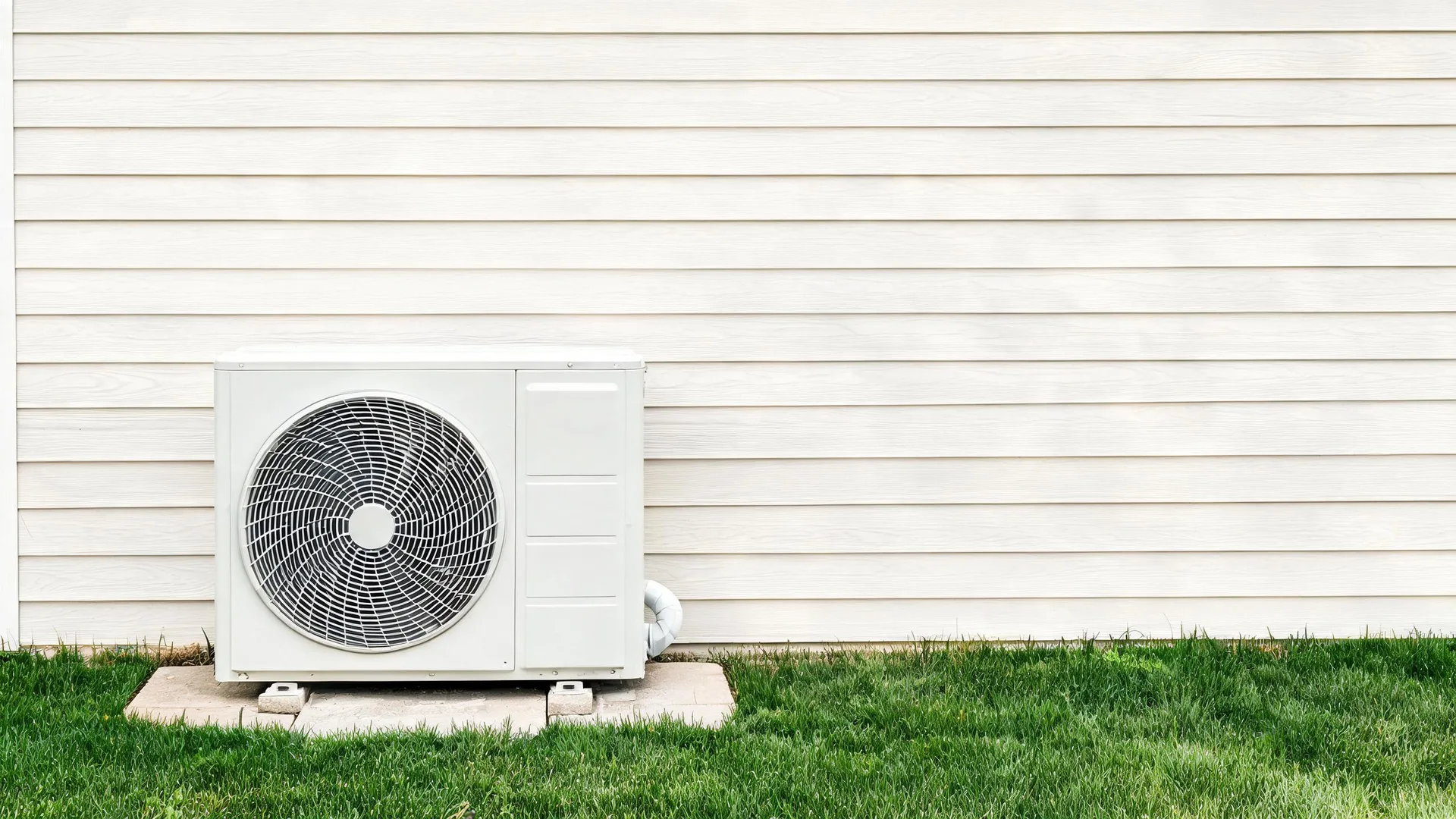
The install is more than setting a box outside

Running new line set, replacing a rusted-out line set, adding a hard start kit for a long wire run, upgrading an old disconnect or breaker to match the new unit's draw, all of that is labor beyond the equipment itself. A straight swap onto existing line set and matching electrical costs less than one where the installer has to rebuild the connections around it.

An outdoor air conditioning condenser unit installed beside the exterior wall of a blue vinyl-sided house at sunset.

Going above the federal minimum saves little here, about $20 a year.

  • A higher-efficiency unit$180 a year
  • A new unit at the federal minimum, 14.3 SEER2$200 a year

Estimates for a typical Nye County home, from EIA household energy data, Nevada fuel prices and NOAA climate normals. Your home will differ.

Install day starts with the old system coming out, not the new one going in. The outdoor unit gets disconnected, the refrigerant recovered rather than vented, and the indoor coil pulled if it's being swapped too. Line set gets checked before anything new connects to it, since reusing a line set that's rusted or the wrong size for the new unit causes problems later that are harder to trace than problems caught that morning. Once the new equipment is set, the installer pulls a vacuum on the line set to clear out moisture and air, because any left behind mixes with the refrigerant and wears at the compressor from the first cycle. Then comes the refrigerant charge, weighed in to match the system's specs, not just topped off until it seems cold. Airflow gets checked last, static pressure and duct readings, so the system is actually moving the air it's rated to move before anyone calls the job done.