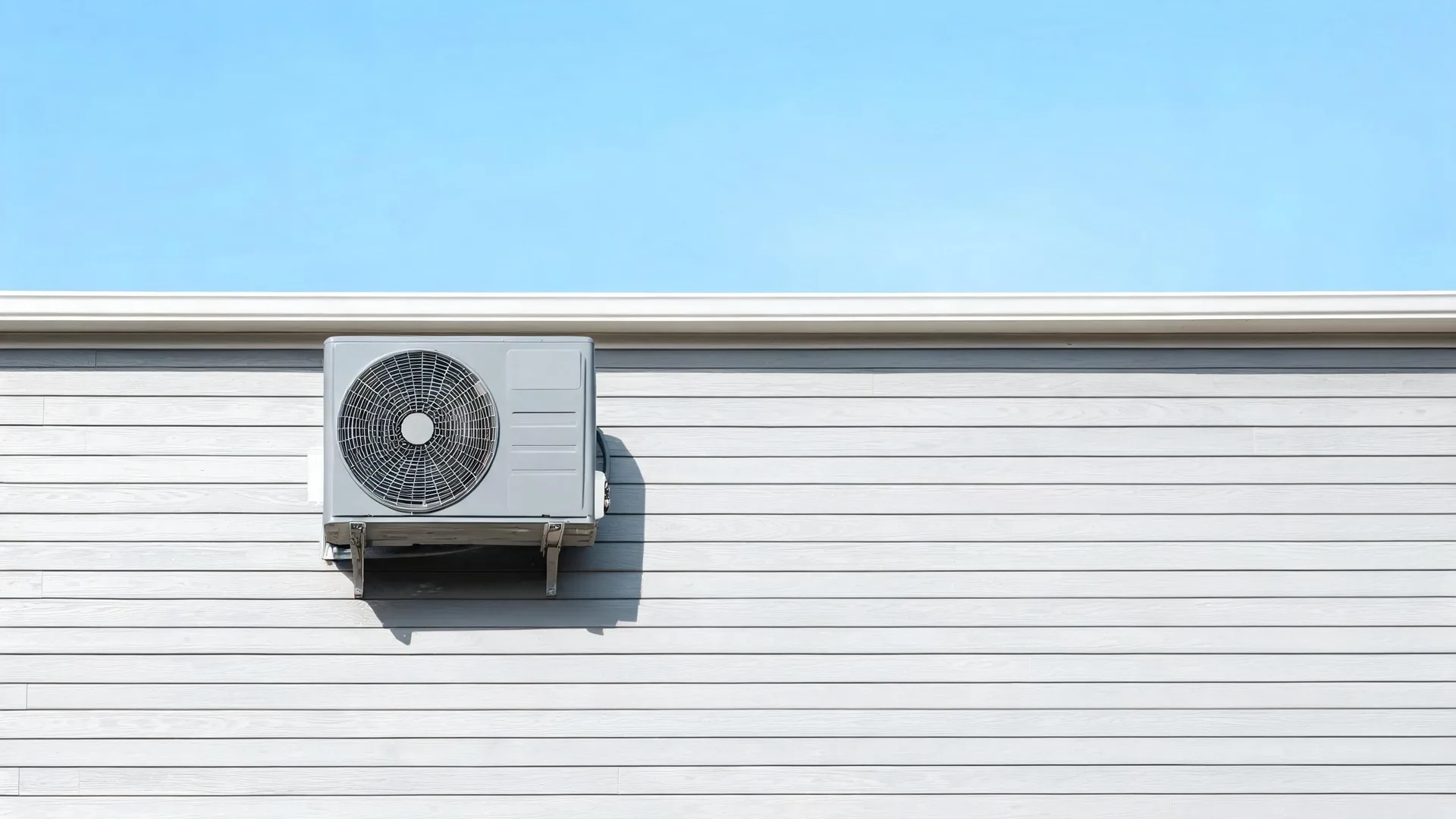
Gas furnaces are the common pairing here
Utility gas heats 60.6 percent of homes in Washoe County. Most AC installs here go in alongside a gas furnace, with the new coil matched to it rather than swapped in as a standalone system.
Takes about a minute. No obligation.
Utility gas heats 60.6 percent of homes in Washoe County. Most AC installs here go in alongside a gas furnace, with the new coil matched to it rather than swapped in as a standalone system.
A new AC has to work with the furnace or air handler already in place, including its ductwork and airflow. If a home here is on gas heat, that's the starting point for sizing and matching the right system.

NOAA nClimDiv, 1991–2020 normals
Reno asks for cooling about two months a year, with afternoon highs around 84 in June, July and August.
A system that only works hard two months a year doesn't need to be the top efficiency model to hold up.



A standard size, standard efficiency air conditioner is the right call here. Nevada homes paid 15 cents per kilowatt-hour in 2024, nothing out of line with what the rest of the country pays. There's no electric bill pressure pushing you toward a pricier high-efficiency unit to cut cooling costs. Reno's summers are too short for that upgrade to pay off the way it might somewhere cooling runs most of the year. Match the new coil to the furnace or air handler already in the house, size it to the home, and that covers it.
Any new system installed in Washoe County has to meet 14.3 SEER2 at minimum, along with an EER2 rating tied to that efficiency level. That's the Southwest standard, not a local add-on, and it applies whether you're replacing a unit or putting in central air for the first time. A federal tax credit is available on qualifying equipment, worth looking into before you settle on a system.
Find a contractorThe old condenser gets disconnected and hauled off, and the refrigerant inside it has to be recovered first rather than vented. That part is the law, and it's also just good practice, since that refrigerant is what the new system will run on too, just in a different line set. If the old coil sits inside the furnace cabinet, that comes out as well, since a mismatched coil left behind can choke airflow even when the outdoor unit is new. Whoever installs the new system should also check the line set running between indoor and outdoor units. Old copper can stay if it's the right size and free of leaks, but reusing it without checking is how a new compressor ends up starved of refrigerant or fighting a restriction nobody caught.
An oversized air conditioner cools the room fast, shuts off, then starts again a few minutes later. That short run never lets it pull moisture out of the air, so the house feels clammy even at the right temperature. The compressor also takes the most wear at startup, so more cycles means more wear over the life of the system.
A contractor works out the right size by looking at the home's square footage, window area, insulation, and duct layout, not by matching whatever size was there before. The old system may have been wrong from the start, or the home may have changed since it went in. The furnace or air handler already in place also narrows what will fit, since the new coil has to match its airflow.
Estimates for a typical Washoe County home, from EIA household energy data, Nevada fuel prices and NOAA climate normals. Your home will differ.
Installation day starts with the old system coming out, not the new one going in. Expect the better part of a day for a straightforward swap, longer if the ductwork or line set needs work. Once the old equipment is out, the new condenser gets set on its pad outside and the coil goes in at the furnace or air handler. The line set gets connected, pressure tested for leaks, then evacuated to pull all the air and moisture out before any refrigerant goes in. Only after that does the system get charged and run through its paces, checking airflow at the vents and the temperature split between the air going in and the air coming out. A contractor walks through that with you before calling the job done.