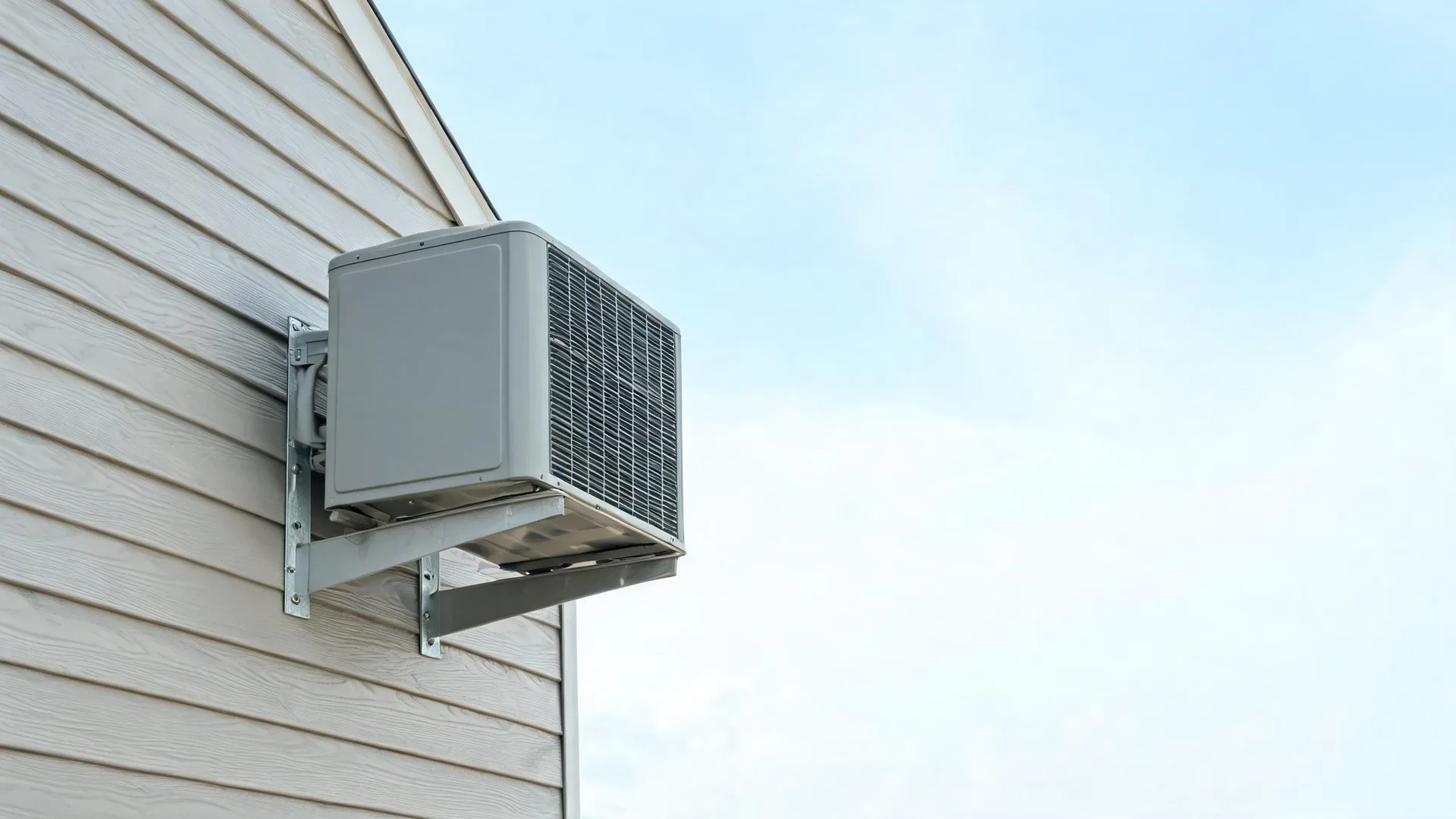
Gas heat is the norm here
Close to half of Winnemucca homes heat with utility gas, more than any other fuel. Electric heat comes next, then propane. An AC installation usually pairs with whichever of these is already running the furnace.
Takes about a minute. No obligation.
Close to half of Winnemucca homes heat with utility gas, more than any other fuel. Electric heat comes next, then propane. An AC installation usually pairs with whichever of these is already running the furnace.
If gas already heats your home, the AC side typically goes in as a separate cooling system matched to that furnace rather than a swap to all-electric heating and cooling. The contractor sizing your job will confirm what your house has to work with.

NOAA nClimDiv, 1991–2020 normals
Humboldt County logged 152 damaging wind events and 69 winter storms in the last ten years.
None of that changes what size or tier of AC your house needs, that's still about your square footage and your ductwork.




Pulling the old unit out is usually the easy part. A tech disconnects the refrigerant lines, caps them, and disconnects the power. If it's a straight swap, the indoor coil and outdoor condenser come out together and the new ones go in the same spots, using the same line set when it's still in good shape. Old refrigerant gets recovered into a tank, not released into the air. If the system is old enough to run the phased-out refrigerant, that recovery step matters more, since that refrigerant can't legally be vented or reused in a new unit. Once the new equipment is set, the tech checks the line set for leaks before charging it and turning the system on.
Winnemucca falls in the Southwest region, so a new split system has to meet 14.3 SEER2 and the matching EER2 before it can go in. That's the floor, not a tier you pick from. The contractor sizing your job will work from that minimum and your square footage and ductwork to spec the unit.
Find a contractorHalf the homes in Humboldt County were built in 1991 or earlier, half in 1991 or later. That split doesn't change what size unit a house needs. A new system is sized to the square footage and the ductwork it's running through, not the year on the house. One thing worth checking either way, mobile homes make up about a third of the housing here. A mobile home sometimes calls for different equipment than a site-built house does. Worth telling the contractor sizing your job if that's what you've got.
A contractor should walk through your square footage and duct layout before naming a tonnage, not just match what's already out there. An oversized unit cools the air fast and shuts off before it pulls the moisture out, so rooms feel clammy even at the right temperature. undersized, and it runs long cycles and never quite catches up on the hottest days. Ask them to show you the math, not just state the number.
The condenser gets the attention, but the duct system is what moves the air it makes. If the return or supply ducts are too small for the new unit's airflow, you can end up with a better condenser pushing air through the same bottleneck as before. Ask whether they tested static pressure or just measured for the new equipment. A tech who checked the ducts will have an answer ready.
Estimates for a typical Humboldt County home, from EIA household energy data, Nevada fuel prices and NOAA climate normals. Your home will differ.
Installation starts with the outdoor condenser going on its pad and the indoor coil going in next to the furnace or air handler. If the old line set is still in good shape it gets reused, otherwise the crew runs new line. Once everything's connected, the system gets charged with refrigerant to the manufacturer's spec, not topped off by feel. Airflow testing comes next, and it's the part that gets skipped when a job is rushed. A tech checks static pressure and measures the temperature split between the air going into the system and the air coming out. That tells you the coil is sized right and the ducts can actually move what the new unit produces. Before anyone leaves, the system should run through a full cycle while someone's watching it, not just switched on and left.