Half the homes here were built in 1981 or later
Carson City splits down the middle. Half the housing stock went up in 1981 or earlier, half in 1981 or later. A system in one of the newer homes still has a lot of working life ahead of it.

Takes about a minute. No obligation.
Carson City splits down the middle. Half the housing stock went up in 1981 or earlier, half in 1981 or later. A system in one of the newer homes still has a lot of working life ahead of it.
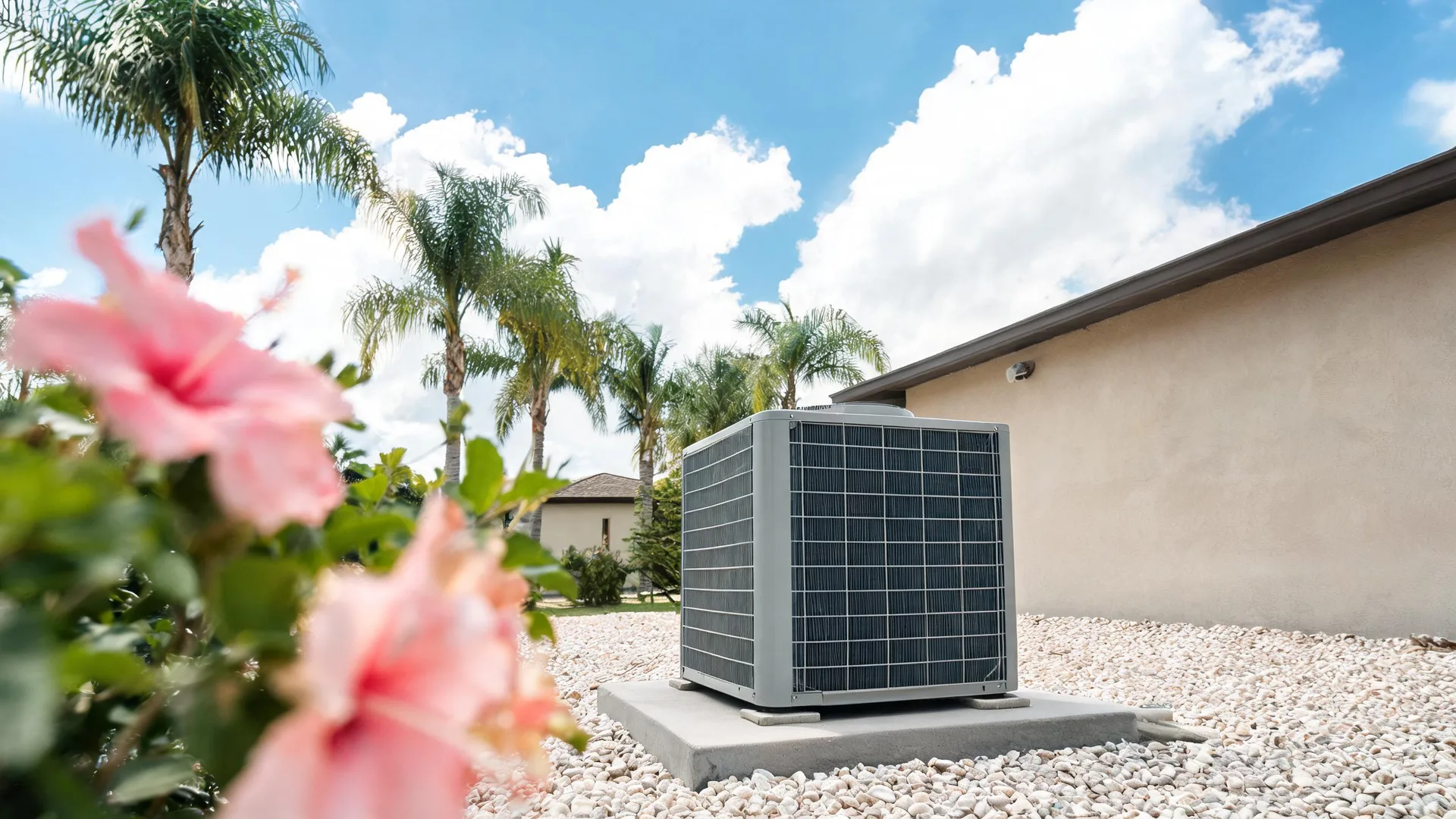
An AC unit still in its first decade holds up better with yearly maintenance. Catching a weak capacitor or a dirty coil early keeps a newer system running the way it was built to.

NOAA nClimDiv, 1991–2020 normals
Two months of real heat a year is light duty for a condenser.
Less strain means a yearly check is more about catching age and neglect than fighting wear.



June is the month to get it looked at, before the first real heat of July. One visit covers the capacitor, the charge, the condensate line. That's the whole job in a place where the system only works hard two months a year.
Find a contractor
Between visits, keep the outdoor unit clear. Grass clippings, leaves and dryer lint settle on the condenser fins and block airflow. Once that happens the system has to work harder to move the same heat outside. A few feet of clearance on all sides, nothing stacked against the cabinet, no shrubs crowding it. That's most of the job. Check the air filter too. A filter clogged with dust chokes airflow across the indoor coil, and a coil that can't breathe is more likely to ice over. Hold it up to a light. If you can't see through it, swap it. Inside, watch the vents. Furniture or rugs blocking a return vent starves the system of air to condition. A closed supply vent in an unused room does less good than people think, since the system still has to push that air somewhere. Beyond that, there isn't much to do yourself. The capacitor, the refrigerant charge and the condensate line call for a meter and a gauge set, not a Saturday afternoon. What you're watching for between checks is a change. The system running longer than it used to. Weak airflow at the vents. Water where water shouldn't be. Catching that early matters more than anything on a checklist.
A weak capacitor still starts the compressor, just with a harder kick each time, until one day it doesn't. A refrigerant leak still cools the house, just a little less than it used to. None of it looks urgent, which is exactly why it gets left alone until the compressor itself is the thing that fails.
Low refrigerant makes the compressor run hotter than it was built to. A dirty coil makes it run longer to move the same heat. Either one, left alone, shortens the life of the one part in the system that can't be fixed in place, only replaced.
A tune-up checks the refrigerant charge, cleans the coils, tests the capacitor and tightens the electrical connections.
A tune-up starts outside at the condenser. The technician checks the refrigerant charge against what the system was built to run, since too little makes the compressor work harder and too much is just as bad. The capacitor gets tested under load, not just looked at, because a weak one can still start the compressor most days and then fail on the hottest one. The condenser fan motor and the fan blade get checked for wear and wobble. Inside, the evaporator coil gets inspected for dirt and for ice, and the condensate line gets cleared so water drains where it should instead of backing up into the drain pan. Electrical connections get tightened, since a loose one creates resistance and resistance creates heat. None of this takes long when the system is healthy. It takes longer, and matters more, on a system nobody has looked at in a while.