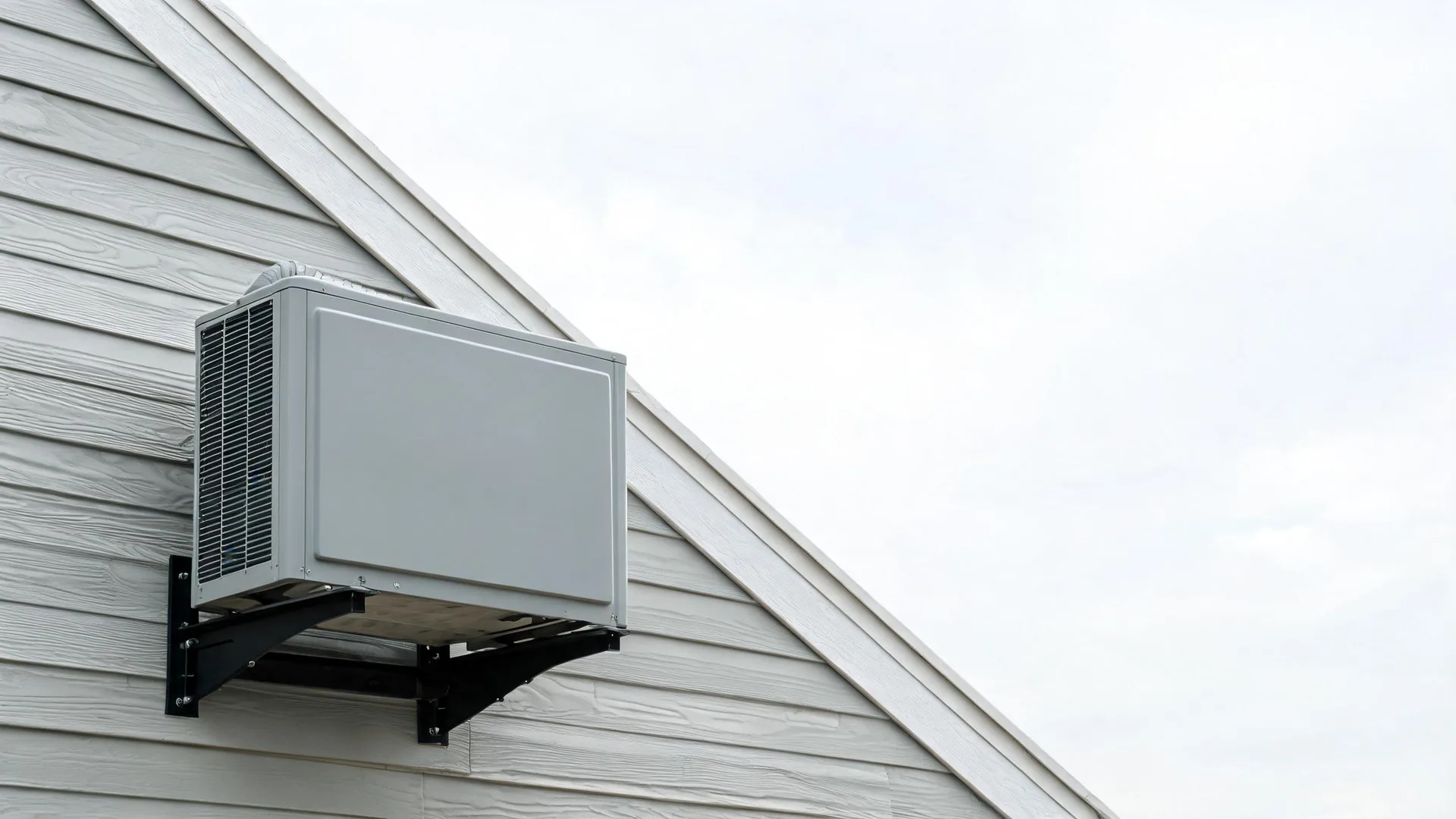
Two months of real work
Your air conditioner runs from July through August here, with afternoon highs averaging 84°F. The rest of the year it sits idle.
Takes about a minute. No obligation.
Your air conditioner runs from July through August here, with afternoon highs averaging 84°F. The rest of the year it sits idle.
A system that only runs two months a year still has a capacitor, a coil, and refrigerant that can run low. Short duty means less wear, but a yearly check is what catches the small problems before the hot months find them.

NOAA nClimDiv, 1991–2020 normals
July is the first month your air conditioner runs here, with no easing into it.
Book the check in June, before it has to start up.



Skip the yearly check and the coil is usually the first thing to go. Dust and grit settle on it while the system sits idle, and without a cleaning that film just builds up. The system still turns on. It still blows air. But it has to work harder to cool the same room, and it runs longer to do it. A dirty coil can also hide a slow refrigerant leak, because both show up the same way at the thermostat, a house that takes too long to cool. The capacitor is the other part nobody thinks about. It weakens with age whether the system runs a lot or a little, and when it gives out the compressor won't start at all, usually on the first hot day you actually need it.
Book the check before June, so it is done before July's heat puts load on the system. Damaging wind has hit this county 97 times between 2015 and 2024, and wind finds the weak connection a yearly check would have caught.
Find a contractor
A tune-up checks things you can't see from the thermostat. A tech pulls the panel and checks refrigerant pressure against what the system calls for. Too low and it's losing charge somewhere, a slow leak that won't announce itself until the compressor's worn down from running long and hard. They check the contactor too, the switch that sends power to the compressor. Contacts pit and burn with use, and a pitted contactor can stick closed or fail to close at all. The condensate drain gets checked as well. It's a small line, and algae or dirt clog it quietly. A clogged drain backs up and overflows, sometimes into the house, before anyone notices anything wrong with the cooling itself. None of this shows up as a warning sign. The system runs fine, right up until one of these parts doesn't.
A quick visit gets a filter swap and a glance at the outside unit. A thorough one puts gauges on the system and checks refrigerant pressure against what that system is built to run at. Pressure a little off either way points to a leak or a bad charge, and neither shows up just by looking at the unit or listening to it run.
Coils get cleaned, not just checked for dust. Electrical connections get tightened, not just checked for scorch marks. The capacitor gets tested under load, since a weak one can still look fine sitting still. Anyone can open the panel and look. Fewer techs do the part where they put their hands on something and confirm it still works.
A tune-up checks the refrigerant charge, cleans the coils, tests the capacitor and tightens the electrical connections.
A proper tune-up starts outside, at the condenser fan. The tech checks that the motor spins freely and the blades aren't cracked, because a failing fan motor lets the whole unit overheat. Inside, the blower wheel gets inspected for dust buildup, since a caked wheel moves less air no matter how clean the coil is. The refrigerant lines get checked for proper insulation too, not just leaks, because bare line can sweat and that moisture finds its way to wood or drywall nearby. The thermostat gets tested against the actual temperature in the room, not just its own display, since a miscalibrated stat makes the system run longer than it needs to. Every one of these is a small thing on its own. Missed together, they're why a system that should last years starts failing early.