A dirty filter is the one thing you can fully handle without a tech. Check it monthly and hold it up to a light. If you can't see light through it, swap it. A clogged filter starves the system of airflow and makes the coil work harder than it should.
Keep the outdoor unit clear
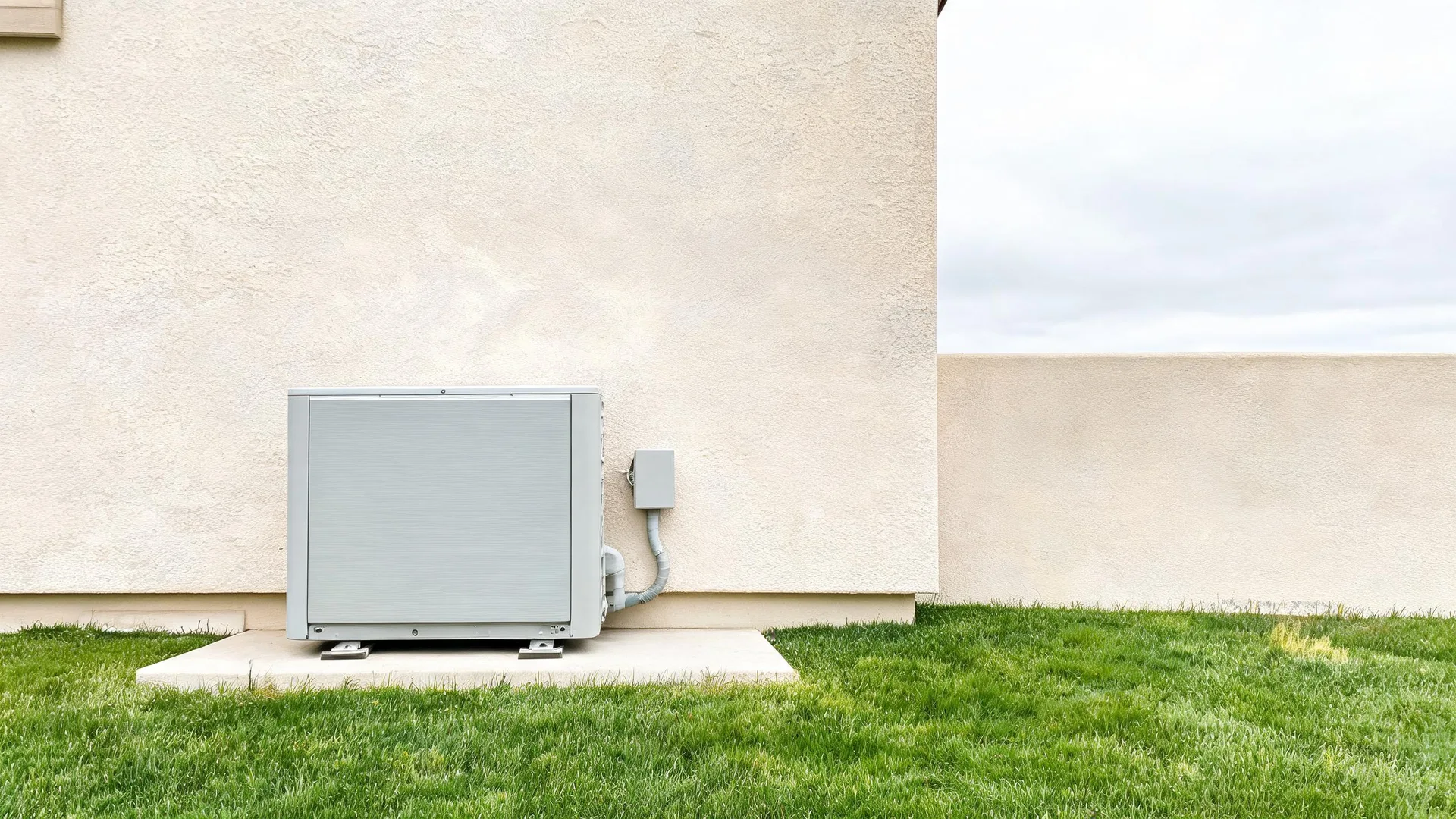
Your condenser needs open space around it to shed heat. Pull weeds, trim back branches, and keep leaves and grass clippings from piling against the cabinet. Anything blocking airflow on that unit makes the whole system run longer to do the same job.
2 months
July through August, your air conditioner is on duty
87°F
the average summer afternoon it cools against
1 hail events
in ten years, and hail bends the fins on outdoor coils
305 wind events
in ten years, and wind drives debris into outdoor units
Your air conditioner works hardest from July through August.
Jan
Feb
Mar
Apr
May
Jun
Jul
Aug
Sep
Oct
Nov
Dec
NOAA nClimDiv, 1991–2020 normals
Your AC here only has to work hard in July and August, when afternoon highs average 87°F.
One tune-up before summer covers it.
Lyon County weather is mostly wind, and this unit doesn't need a second visit for it
432 severe weather events from 2015 to 202413% of homes statewide lost power a day or more in 2024305 damaging wind events from 2015 to 2024
A quick visit means someone swaps the filter, glances at the coil, and tells you the system is fine. A thorough one means they actually check whether it's fine. That starts with the refrigerant charge, measured against what the system is supposed to hold, not just a gauge glance. It means pulling the capacitor and testing it under load, because a capacitor can read fine sitting still and still fail the moment the compressor tries to start. It means washing the condenser coil, not just looking at it, since dirt packed between the fins blocks heat transfer even when the coil looks clean from the outside. A real tune-up also checks the contactor for pitting, tightens electrical connections that work themselves loose from vibration, and confirms the blower wheel is still balanced. If the visit is over before any of that gets touched, you had a filter change, not a tune-up.
The filter protects the coil. Once airflow drops because the filter is clogged, the evaporator coil starts picking up dust that gets past it, and a dirty coil can't absorb heat the way it's supposed to. That makes the system run longer to hit the same temperature, and a coil caked with dirt is a different job than one that gets washed every year. The drain line matters just as much, even though nobody thinks about it until it's a problem. The evaporator coil pulls moisture out of the air all season, and that water has to go somewhere. Algae and dirt build up in that line over time, and once it's blocked, the water backs up into the pan and finds the nearest way out, usually through the ceiling if the air handler sits in an attic. None of this announces itself early. A system can run a long time on a clogged drain or a coil that's losing efficiency bit by bit, right up until the day it doesn't.
The system runs but takes longer to finish
If the house used to cool off in a certain amount of time and now it takes noticeably longer, something is making the system work harder to do the same job. That can be a dirty coil, a weak capacitor, or a refrigerant charge that's drifted low. The thermostat still says it got there. It just took longer getting there.
Short cycling means something is already wrong
An AC that shuts off a few minutes after it starts, then kicks back on shortly after, isn't resting. It's struggling. That pattern usually points to a refrigerant problem, a failing capacitor, or a coil so dirty it can't shed heat fast enough to keep running. Short cycling wears out the compressor faster than steady operation does, so it's worth a look before it stops running at all.
Book your AC tune-up in June, before homes here start needing cooling in July.
Jan
Feb
Mar
Apr
May
Jun
Jul
Aug
Sep
Oct
Nov
Dec
A tune-up checks the refrigerant charge, cleans the coils, tests the capacitor and tightens the electrical connections.
A tune-up should also check static pressure and the temperature split between the supply and return air. That split tells a tech whether the system is actually removing heat the way it should, not just blowing air. Low voltage connections at the thermostat and the control board are worth a look too, since a loose one can cause the system to run erratically or not start at all. The condensate switch, if the system has one, should be tested to confirm it actually shuts the system down when the pan fills, not just that it's wired in. None of these take long to check. Skipping them is how a system passes a tune-up and still fails the first time it has to run hard.