Two illuminated adobe-style desert homes at night, surrounded by saguaro cacti and low desert shrubs along a curved driveway.

AC Maintenance in Hawthorne, NV

Tell us about the job

Takes about a minute. No obligation.

Tune-up, service, or cleaningCentral ACMineral County, NV
Step 1 of 2

What ZIP code is the job in?

Two months of real work

Hawthorne runs its AC from July through August, with afternoon highs averaging 86°F. That is a short stretch for a condenser and compressor to carry the load, nowhere near what the same machine would face somewhere hot most of the year.


Still worth a yearly look

Light duty does not mean no duty. A system here is more likely to run into trouble from a dirty coil, a low charge, or a part that sat unused most of the year than from being worked too hard. A yearly check catches that kind of problem before July.

2 months
July through August, your air conditioner is on duty
86°F
the average summer afternoon it cools against
3 hail events
in ten years, and hail bends the fins on outdoor coils
61 wind events
in ten years, and wind drives debris into outdoor units
Isometric line illustration of a cutaway house showing interior rooms with ductwork, an air handler and furnace, connected by lines to an outdoor condenser unit on the ground outside.
Your air conditioner works hardest from July through August.

NOAA nClimDiv, 1991–2020 normals

A clean filter is something you can check yourself without any tools.

Swap it out when it looks gray and clogged, and the rest of the system breathes easier.

Two months of summer is still enough to catch a problem once a year

Power costs 15 cents a kWh statewide
Climate zone 4B
Cooling runs July through August

Half the homes in Mineral County were built in 1971 or earlier. A system in a house that old may not be original, but the ductwork and electrical behind it usually are. A yearly check is how a contractor catches a cracked duct joint or a worn connection before it turns into a bigger repair. Mobile homes make up close to a quarter of the housing here, and their equipment closets and duct runs are often tighter, which means a dirty coil or a loose fitting shows up faster than it would in a larger house. None of this means something is wrong. It means a yearly look carries more weight here than it would somewhere newer.

Check it now, before the two months it works hardest

Get the system checked before July and August put it to work. One visit a year is enough to catch a dirty coil or a weak part while the machine is still sitting idle.

Find a contractor
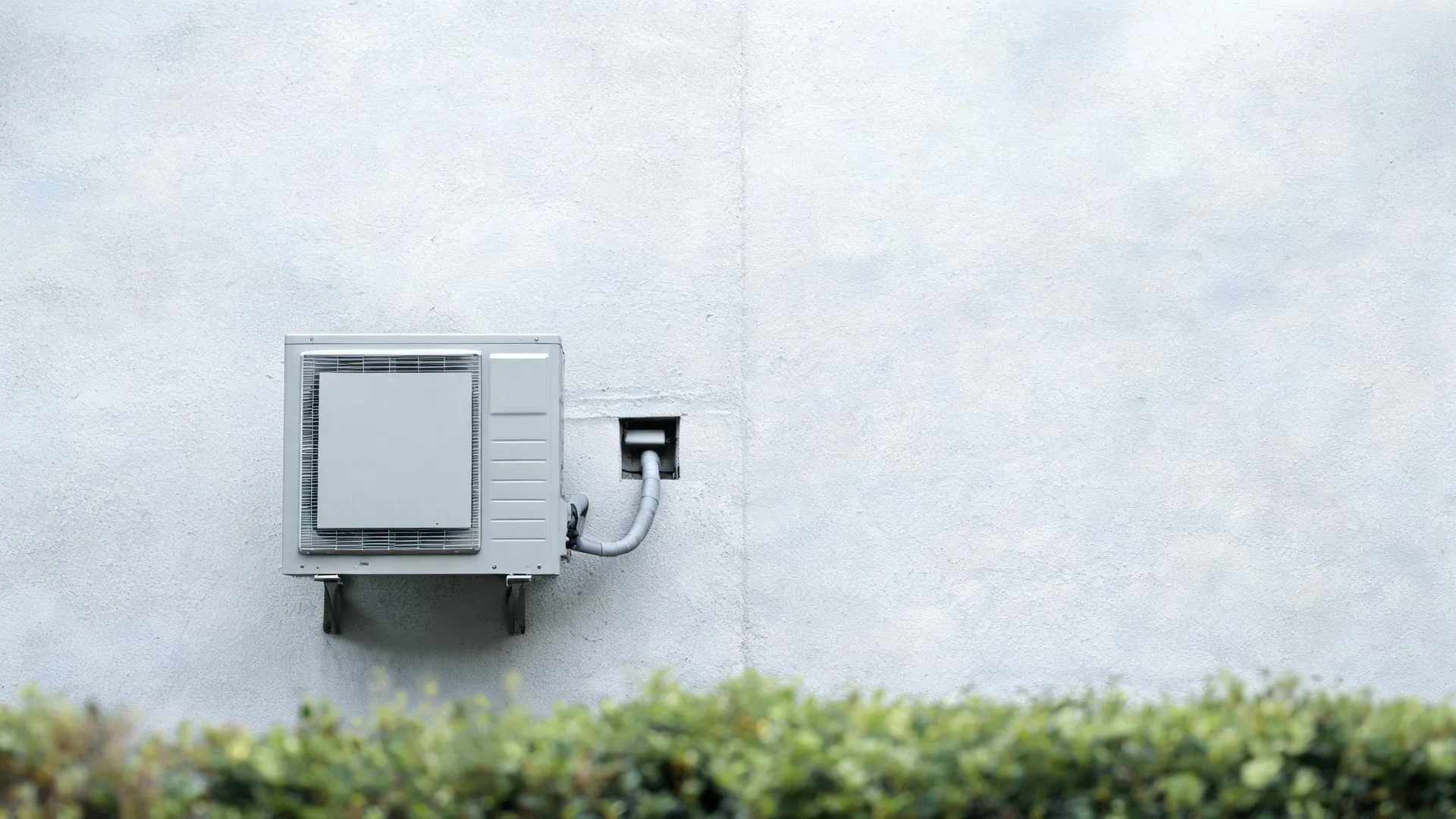
A gray residential air conditioner condenser unit mounted on a concrete pad in an open grass field.

The failures that don't announce themselves

A system can run all season without ever shutting down and still be losing capacity. A coil caked with dust transfers less heat, so the compressor runs longer to reach the same temperature. A capacitor that's weakening doesn't usually fail outright, it just gives the compressor and fan motor a harder start each time, until one day it doesn't catch. Refrigerant doesn't get used up, but a slow leak at a fitting will drop the charge a little more each year, and a system low on charge makes the compressor work harder to move the same heat. None of this shows up as a breakdown. It shows up as a system that strains more and wears out sooner than it should. A check looks at the coil, tests the capacitor, and checks the charge against what the system is supposed to carry. That's how a problem gets caught while it's still small enough to ignore.

What the gauges show that the thermostat can't

A thermostat only knows the temperature of the air. It has no way to tell you the suction line is running warmer than it should, or that the compressor is pulling more amps than it used to. Gauges and a meter catch a system drifting out of its normal range long before the house ever feels it.

The drain line nobody thinks about

Condensate is supposed to run off the coil and out through a drain line to the outside. That line can grow algae and slime over time, same as any damp pipe left alone, until it clogs. A clogged drain backs water up into the pan and sometimes into the house itself. Clearing it during a check is routine. Finding it clogged once the system is already running hard is not.

Aerial view of a gray central air conditioning condenser unit on a concrete pad next to a house with vinyl siding.

Book your AC tune-up in June, before homes here start needing cooling in July.

  1. Jan
  2. Feb
  3. Mar
  4. Apr
  5. May
  6. Jun
  7. Jul
  8. Aug
  9. Sep
  10. Oct
  11. Nov
  12. Dec

A tune-up checks the refrigerant charge, cleans the coils, tests the capacitor and tightens the electrical connections.

A tune-up starts outside, at the condenser. The tech pulls the panel, checks the capacitor's output against what it's rated for, and looks over the contactor for pitting, since that's the part switching the compressor on and off all season. The coil gets washed if it's dirty, not just hosed from the outside, because dust packs in between the fins where water alone won't push it out. Refrigerant charge gets checked against the system's rated subcooling or superheat, not just a glance at a gauge. Inside, the evaporator coil and drain line get checked too, since a clogged drain causes problems long before the cooling side ever does. The blower gets checked for a dirty wheel, since caked-on dust throws off airflow even when the motor itself is fine. None of this takes long when a system is healthy. It takes longer, and matters more, when something's already drifting out of range.