Electricity here costs more
Nevada homes paid 15 cents per kilowatthour in 2024. A system that has to work harder to cool the same house burns through more of those kilowatthours every month it runs.
Takes about a minute. No obligation.
Nevada homes paid 15 cents per kilowatthour in 2024. A system that has to work harder to cool the same house burns through more of those kilowatthours every month it runs.
A clogged coil or a low charge makes your AC run longer to hit the same temperature. Longer runtime at 15 cents a kilowatthour adds up faster here than somewhere with cheaper power.

NOAA nClimDiv, 1991–2020 normals
Your AC starts running in May and keeps going through October here.
Have it checked in April, before it has to run six months straight.



A yearly check costs less than the extra power a tired system pulls all season. A tech cleans the coil, checks the charge, and tightens the electrical connections while everything is apart. That's the same ground a repair call covers once something fails, except nothing has failed yet and nothing sits broken through the hottest part of the run. Get it done before the season starts, and the system spends the whole stretch working the way it's supposed to instead of working harder than it needs to.
Afternoon highs average 98°F through June, July and August, and the system runs from May through October straight. That kind of stretch wears down parts faster than a shorter season would. A check before May catches what's wearing thin before it has to carry the whole summer.
Find a contractor
Wind has hit Clark County 306 times between 2015 and 2024. A capacitor or a contactor already worn down by the heat doesn't need much more to fail outright. A check before the system runs May through October catches those weak parts before a wind event or a heat spell finds them first.
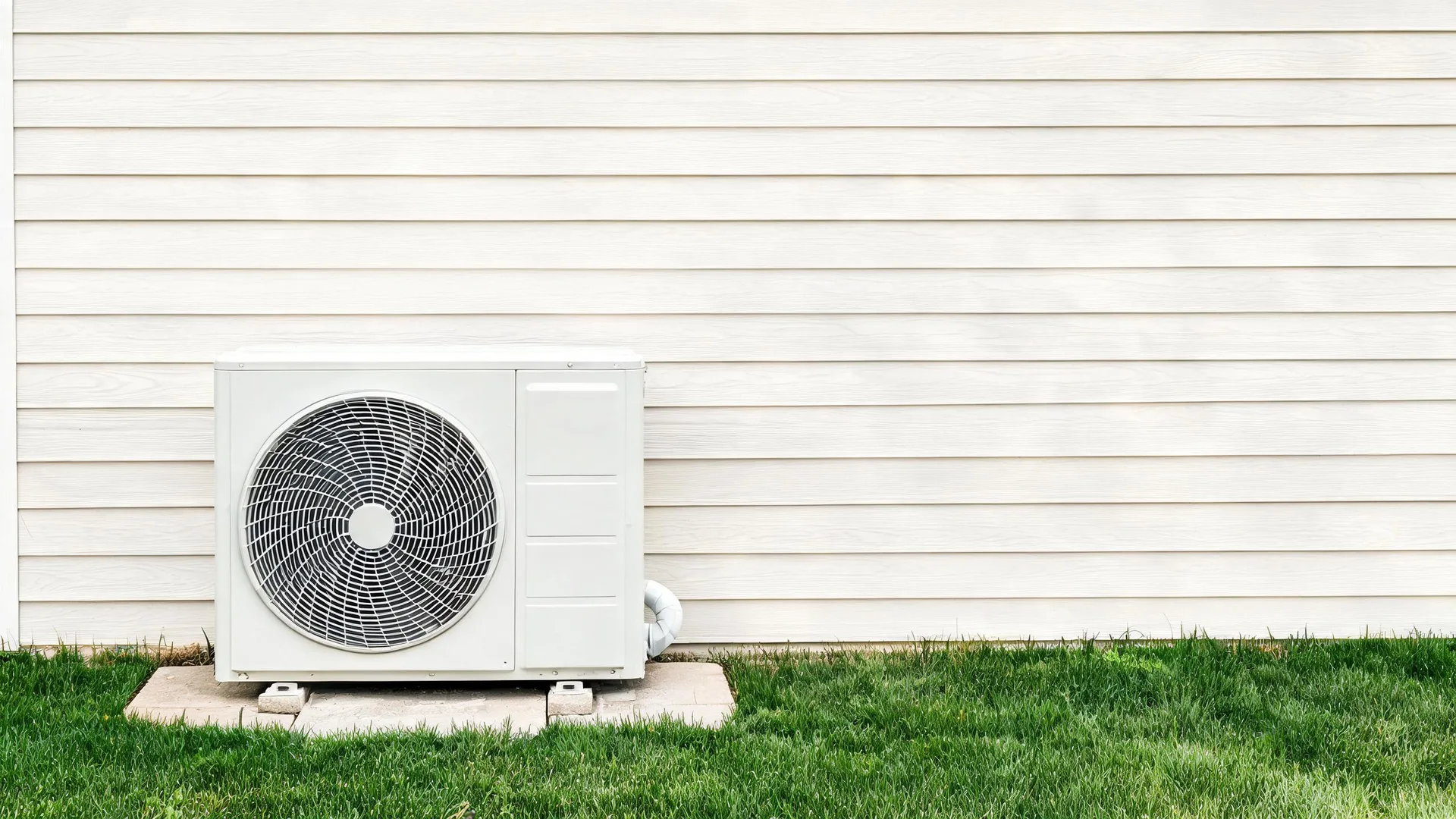
Dust and grime on the outdoor coil keep heat from transferring the way the system needs it to. The compressor has to run longer to move that heat, and the longer it runs under that kind of strain, the sooner something inside it wears out. What starts as a coil that needed hosing off turns into a compressor that needs replacing.
Refrigerant doesn't get used up. If the charge is low, there's a leak somewhere in the line, and it stays open until a tech finds and seals it. Run the system low on charge long enough and the compressor starts pulling in heat it can't shed, which is a harder failure than the leak ever was.
A tune-up checks the refrigerant charge, cleans the coils, tests the capacitor and tightens the electrical connections.
A proper tune-up starts outside, at the condenser. The tech pulls the panel, checks the capacitor's output against what it's rated for, and looks at the contactor for pitting from the arc every time it closes. Both parts wear from the inside before they show it from the outside, so a reading means more than a glance. Refrigerant pressure gets checked against the indoor airflow, not just against a chart, because a system low on charge and a system with a dirty coil can show the same pressure for different reasons. The condensate drain gets cleared, since a clogged one backs up and shuts the system down on its own. Inside, the blower wheel gets pulled and cleaned if it's caked, because a dirty wheel moves less air no matter how clean the coil behind it is.