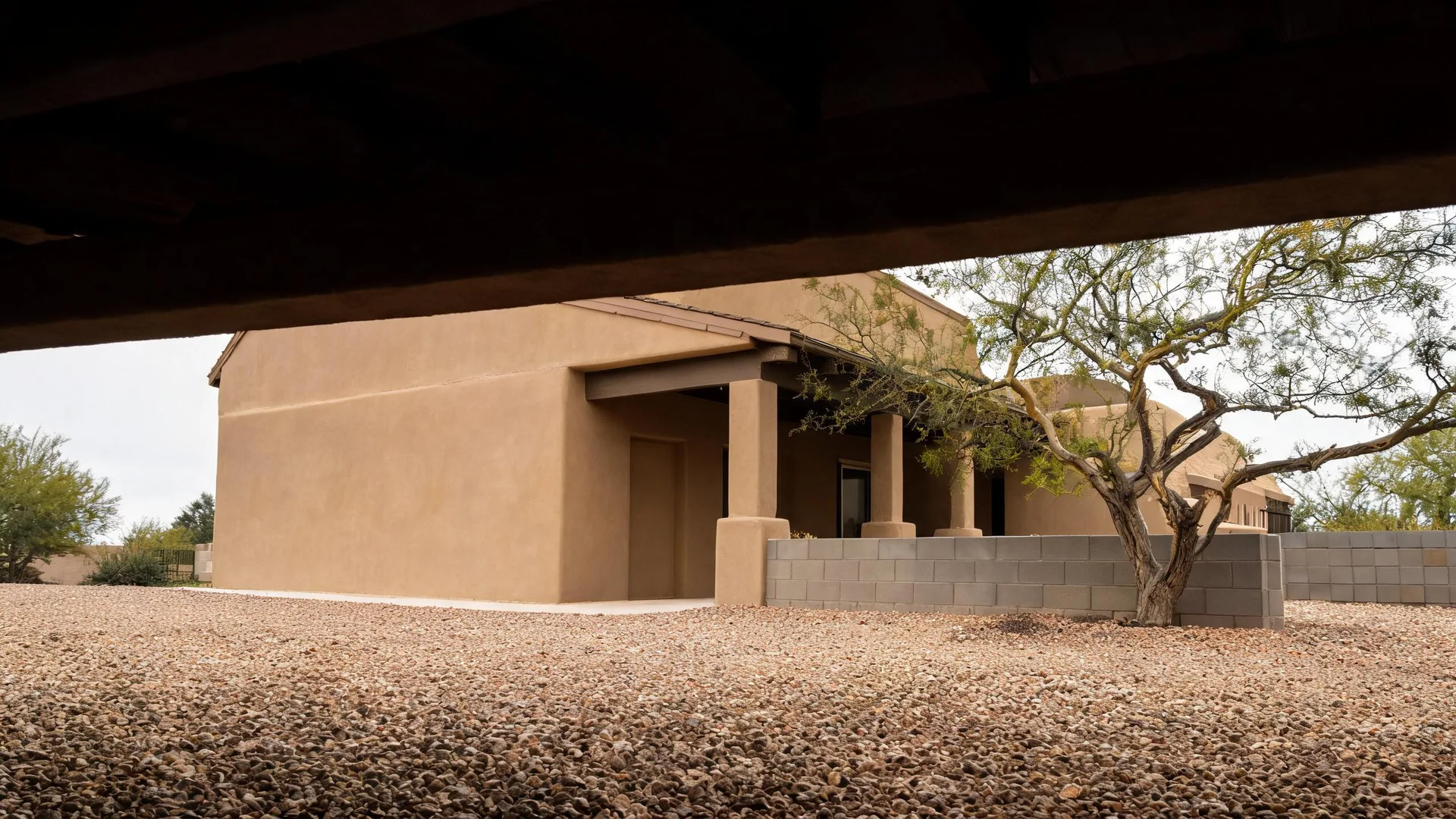
A single-story tan stucco house with a covered porch and concrete block wall, viewed from beneath a dark roof overhang across a gravel yard with a bare-branched tree.

AC Repair in Ely, NV

Tell us about the job

Takes about a minute. No obligation.

RepairCentral ACWhite Pine County, NV
Step 1 of 2

What ZIP code is the job in?

Two months of real work

AC units in Ely only run from July through August, with afternoon highs averaging 82°F. That's a short stretch of hard work compared to most places, so the system spends most of the year sitting idle instead of fighting heat day after day.


So a repair is usually worth it

A system that isn't worn down by months of hard running is more likely to be in good shape everywhere else. When something breaks here, age or a neglected part is the more likely cause than a system worn out from overuse.

2 months
July through August, your air conditioner is on duty
82°F
the average summer afternoon it cools against
3 hail events
in ten years, and hail bends the fins on outdoor coils
246 wind events
in ten years, and wind drives debris into outdoor units
Isometric grayscale illustration of a cutaway house with the roof lifted, showing interior rooms, ductwork, an indoor air handler, and an outdoor condenser unit beside the building.
Your air conditioner works hardest from July through August.

NOAA nClimDiv, 1991–2020 normals

Cooling in Ely runs July and August only.

The first hot days put load on a part that was already weak, so that's when a repair call usually happens.

Weather here isn't what breaks your AC

475 severe weather events from 2015 to 2024
13% of homes statewide lost power a day or more in 2024
246 damaging wind events from 2015 to 2024

Half the homes in White Pine County were built in 1970 or earlier. If your AC came with a house that old, the unit itself has likely been replaced at some point, but that doesn't tell you where it stands now. A compressor or a control board might be worth fixing on its own. It depends on how much is left in the system around it. Ask whoever comes out to look to tell you that first, before you commit to the bigger repair. On a system installed in the last few years that question barely comes up. On an older one, it's the one to settle before anything else.

Two months of real work means a repair is usually the right call

Get a diagnosis before you decide anything else. With only July and August behind it each year, a system here is more likely facing one weak part than a machine that's worn out. Have someone check what's wrong and go from there.

Find a contractor
A man in a dark shirt and tan work pants carries a worn canvas tool bag up concrete steps toward a red front door of a gray clapboard house, with a potted shrub in a red planter beside the entry.
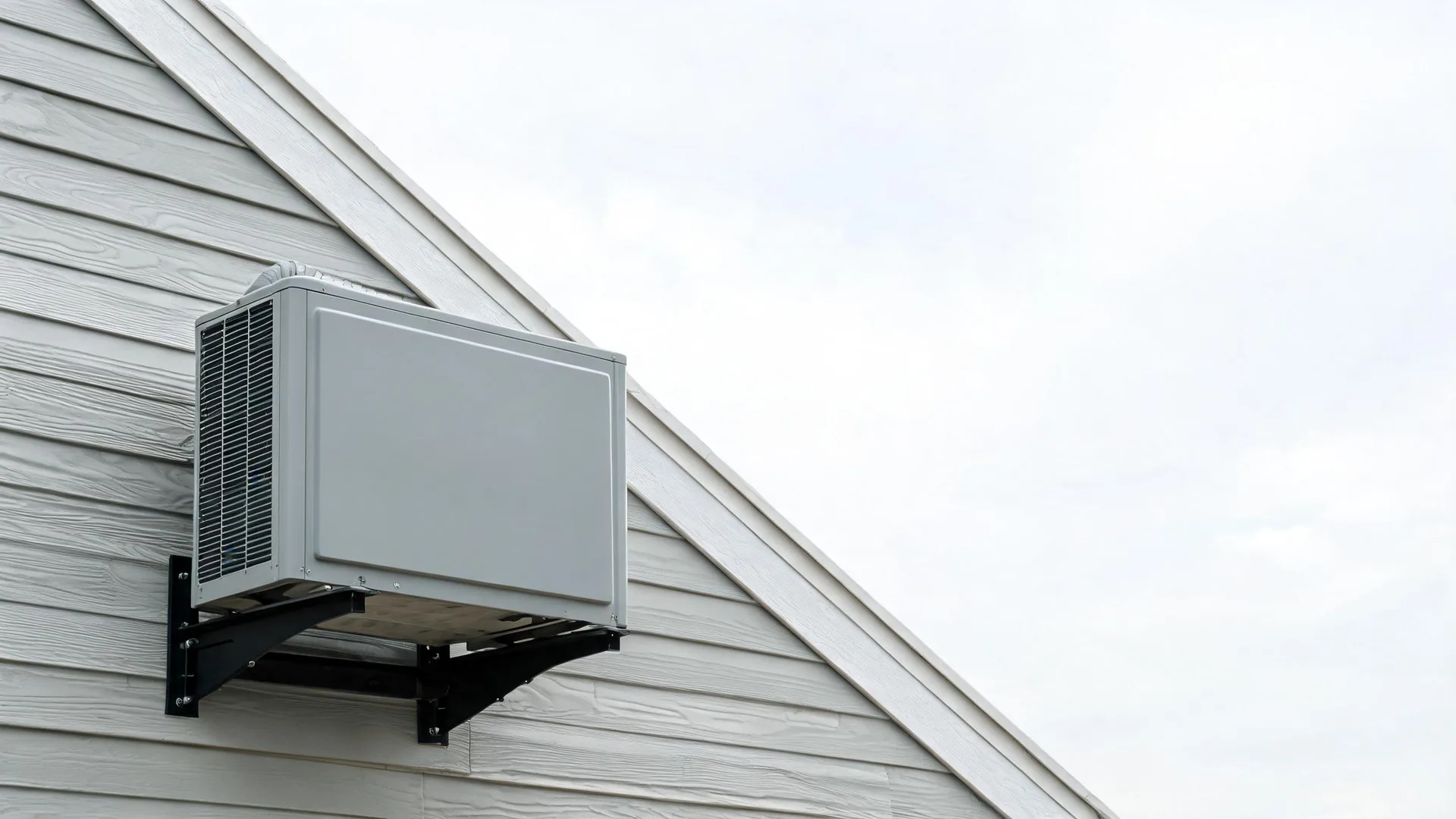
A gray cylindrical air conditioning condenser unit mounted on a concrete pad next to a light-colored vinyl-sided house exterior.

What tells you something's wrong

Most AC trouble shows up as something the system stops doing, not some dramatic failure. Warm air out of the vents when it's set to cool usually points at the compressor or a refrigerant problem. Weak airflow even though the blower runs is often a clogged filter or a coil iced over behind it. Short cycling, where the unit kicks on and off every few minutes instead of running a full cycle, wears on the compressor and is worth a call on its own. A hard click or a hum with no start points at the capacitor or contactor. Water pooling near the indoor unit means the condensate line is blocked or the pan has rusted through. None of these fix themselves, and running the system while they're happening usually turns a small repair into a bigger one.

A capacitor goes first

The run capacitor gives the compressor and fan motor the kick they need to start. It weakens with age and heat, and when it goes the unit either hums without starting or the fan spins slow. It's a small part and usually the easiest fix in the system.

A dirty coil hides as something worse

When the outdoor coil is caked with dirt or the indoor coil is iced over, the system can't dump heat the way it should. It can look like a refrigerant leak or a dying compressor when the real problem is just airflow. Worth ruling out before anyone talks about bigger repairs.

An outdoor air conditioning condenser unit mounted on a concrete pad next to a blue-sided residential house at sunset.

A new air conditioner would save little on running costs in White Pine County, so the repair decision comes down to the unit's condition.

  • A new one at the federal minimum, 14.3 SEER2$80 a year
  • An older air conditioner$100 a year

Estimates for a typical White Pine County home, compared with an older unit built to the previous federal minimum, from EIA household energy data, Nevada fuel prices and NOAA climate normals. Your home will differ.

Repair makes sense when a part like a capacitor or contactor has failed.

Replacement makes sense when the compressor has failed or the system uses R-22 refrigerant, which is no longer made.

A diagnostic visit starts outside, not inside. The tech checks the capacitor and contactor first since those fail more often than anything else, then moves to refrigerant pressures with gauges on the service valves. Low pressure can mean a leak, or it can mean a coil so dirty the system can't move heat, so they'll look at the coil before they talk about a leak search. Inside, they check the air handler for a frozen coil or a clogged filter, since restricted airflow outside shows up as frozen copper inside. Only after that does the conversation turn to the compressor itself, because replacing one is a bigger decision and it shouldn't be the first guess. The whole point of the visit is to find the one part that's actually failing before anyone talks about replacing the rest of the system around it.