






Adobe-style desert homes lit by warm exterior lights at dusk, surrounded by saguaro cacti and native desert plants.

AC Repair in Fallon, NV

Tell us about the job

Takes about a minute. No obligation.

RepairCentral ACChurchill County, NV
Step 1 of 2

What ZIP code is the job in?

Half the houses in Churchill County were built in 1990 or later. If yours is one of them, the AC that came with it is not old by any measure, and that changes the math on a repair. A compressor or control board problem on a system that age is almost always worth fixing rather than replacing. Mobile homes make up a good share of the housing here too, and the cooling setup in those can differ from a standard split system. Worth knowing which one you have before anyone comes out.

3 months
June through August, your air conditioner is on duty
89°F
the average summer afternoon it cools against
51 wind events
in ten years, and wind drives debris into outdoor units
Isometric cutaway illustration of a single-story house showing interior rooms, ductwork and an air handler in the attic space, and an outdoor condenser unit connected by lines at the exterior wall.
Your air conditioner works hardest from July through August.

NOAA nClimDiv, 1991–2020 normals

Three months of real heat a year, June through August.

An AC in Fallon spends most of its life resting, so a repair usually has a sound machine to come back to.

June is when a weak AC shows it

Cooling runs June through August
Summer afternoons average 89°F
51 damaging wind events from 2015 to 2024

Electricity here runs 15 cents a kilowatt-hour, close to the national average. That matters because most AC repair calls in summer turn out to be a capacitor or a refrigerant leak, not a failing compressor, and neither one changes what you pay to run the system once it's fixed. A unit that's low on refrigerant will run longer to do the same job, and that shows up on the bill before it shows up as a breakdown. Fixing it when you notice costs less than waiting until the compressor is working harder than it should.

Get it fixed, not replaced

If your AC came with the house and the house is newer, get a repair quote before you entertain a replacement one. A compressor or board swap on a system that age is money well spent.

Find a contractor
A man in a cap and work jacket, seen from behind, carries a canvas tool bag up wooden porch steps toward a red front door.
An outdoor air conditioning condenser unit mounted on a concrete pad beside a house, with electrical conduit running to a wall-mounted disconnect box.

What failed matters more than what it costs to fix

A repair tells you something different depending on what keeps failing. A capacitor or a control board is a part with a known lifespan, and swapping it out brings the system back to where it was. That's money well spent and the matter is closed. A compressor is different. If a compressor is struggling, start and stop hard, trip the breaker, or draw more current than it should, that's usually wear inside the unit that a repair doesn't reverse. A coil that's corroding will keep leaking refrigerant no matter how many times it gets patched and recharged, because the metal itself is failing, not just the seal. The question worth asking isn't just what broke, but whether this same part or this same kind of problem has shown up before on this unit. A single failed capacitor is nothing to read into. A compressor that keeps struggling, or a system that keeps losing refrigerant, is the machine telling you the repair bill is going to keep coming back.

A capacitor fails on its own schedule

The run capacitor holds a charge that helps the compressor and the fan motor start. It weakens over years of heat cycling and eventually can't deliver that kick, so the outdoor unit hums but doesn't start, or the fan spins slow. This has nothing to do with how the rest of the system was built or installed. It just wears out, the way a battery does, and gets swapped for a new one.

A refrigerant leak is a repeat visit waiting to happen

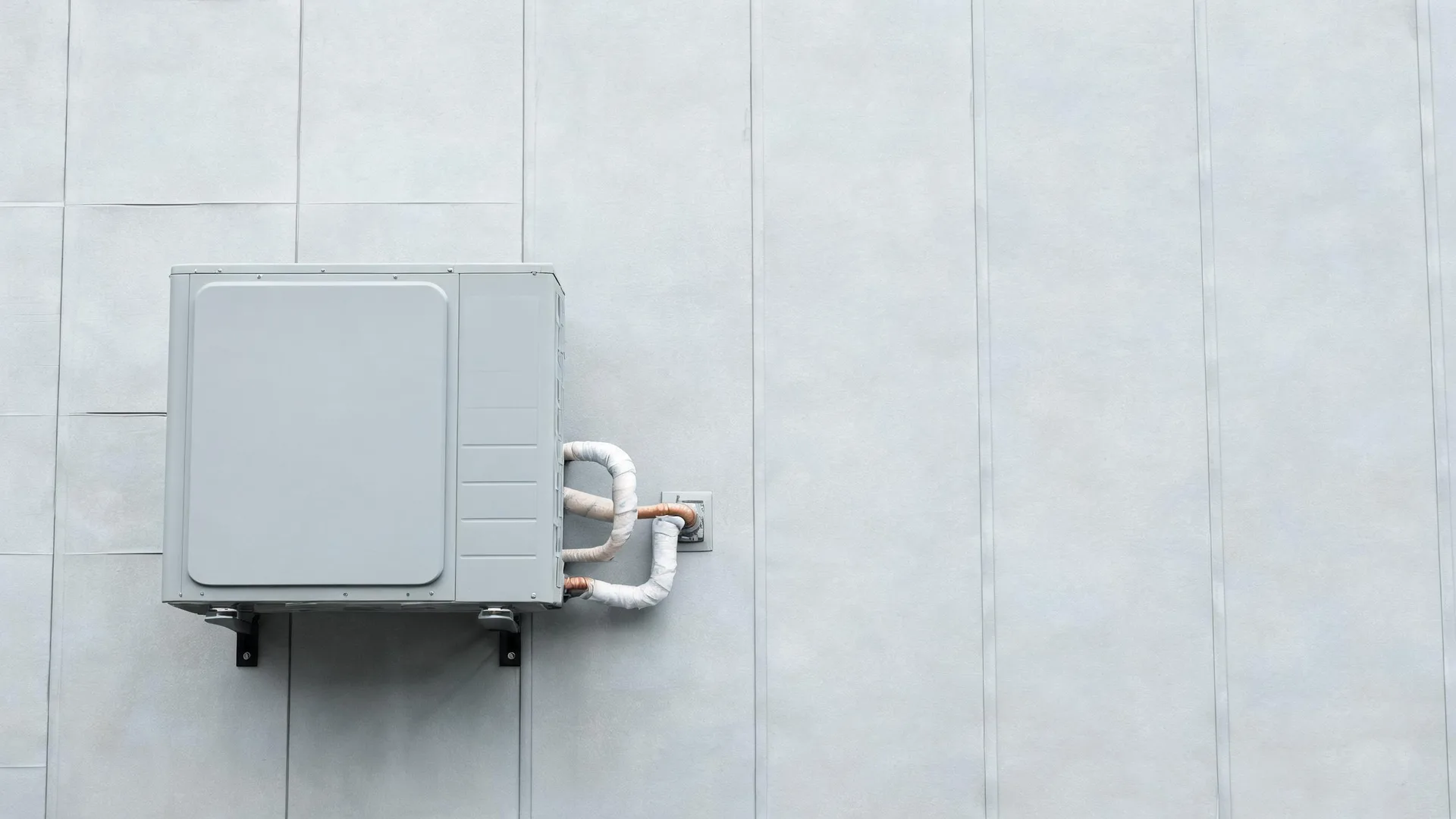
Refrigerant doesn't get used up. If a system is low, it's leaking somewhere, usually at a coil joint or a fitting that's corroded or vibrated loose. Adding refrigerant without finding the leak brings the system back to normal for a while, but the level drops again and someone ends up back out here. Finding the actual leak point before recharging is what makes the fix hold.

An outdoor air conditioning condenser unit positioned beside a blue-sided house at sunset.

A new air conditioner would cut about $30 a year off cooling for a typical Churchill County home.

  • A new one at the federal minimum, 14.3 SEER2$180 a year
  • An older air conditioner$210 a year

Estimates for a typical Churchill County home, compared with an older unit built to the previous federal minimum, from EIA household energy data, Nevada fuel prices and NOAA climate normals. Your home will differ.

Repair makes sense when a part like a capacitor or contactor has failed.

Replacement makes sense when the compressor has failed or the system uses R-22 refrigerant, which is no longer made.

A diagnostic call starts outside, at the condenser. The tech checks whether the compressor and fan are actually running, listens for a hard start or a hum with no spin, and reads the pressures off the gauges. Those numbers point to a low charge, a compressor that's struggling, or a restriction somewhere in the line. Inside, the return air and the supply air get compared. A bigger gap than normal usually means the coil is dirty or iced over, not that something is failing. The capacitor, contactor and wiring get checked too, since a part that's shorting or worn out can look like a bigger problem than it is. The point is to find the actual cause before touching anything, so the system gets fixed once instead of patched and revisited.