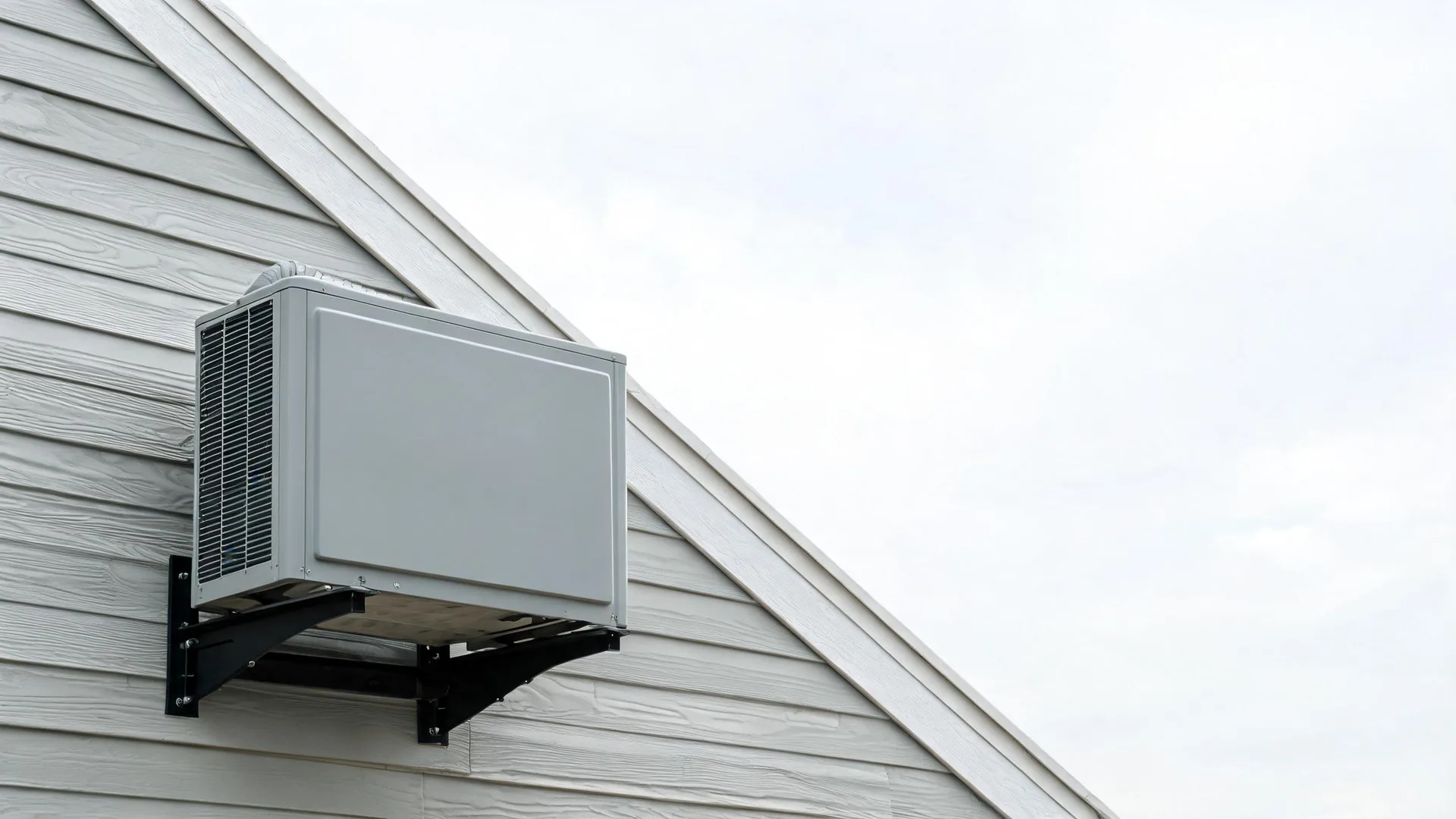
Half the homes here were built in 1989 or later
Storey County splits down the middle, half the housing stock from 1989 or earlier and half from 1989 or later. A unit that came with a newer build still has years of service in it.
Takes about a minute. No obligation.
Storey County splits down the middle, half the housing stock from 1989 or earlier and half from 1989 or later. A unit that came with a newer build still has years of service in it.
When the house is newer, a broken AC is more likely a single bad part than a system near the end. A capacitor, a contactor, a low charge, something a tech can fix without replacing the whole unit.

NOAA nClimDiv, 1991–2020 normals
Two months of real cooling load a year, July and August, with afternoon highs around 84°F.
A system here spends most of the year barely working, so a broken AC is usually one bad part, not a worn out machine.




A grinding compressor or a refrigerant leak will not get better by running longer. Heat and friction wear on a part that is already failing, and the failure finishes faster under load. A capacitor too weak to start the compressor cleanly makes the motor draw more current every time it tries, and that heat breaks the motor down further. A low refrigerant charge lets the compressor run hotter than it should, and running hot shortens what life it has left. Shutting the system off and calling someone is what keeps a repairable problem from turning into a full replacement.
If your AC came with a newer house here, it's worth a repair call instead of a replacement quote. A tech can check the capacitor, the contactor, the charge, and most of the time that's all it is.
Find a contractor
Add up the hours and this unit has not run long. Two months of real load a year, and even in July and August it is only working afternoons when the heat actually pushes back. A compressor that light on hours does not wear out on its own. If something's failing now, it's a part, not time catching up with the machine. Worth confirming with a tech before anyone talks replacement.
Airflow problems do not stop the system right away. Dust on the coil or a filter packed with lint cuts the air moving across it, and the compressor has to run longer and hotter to pull the same heat out of the house. That extra heat is what wears down a compressor over time.
A capacitor loses its charge, a contactor's contacts burn and pit, and either one can stop the compressor from starting even though the compressor itself is fine. These parts fail on their own schedule, not because the system is old.
Estimates for a typical Storey County home, compared with an older unit built to the previous federal minimum, from EIA household energy data, Nevada fuel prices and NOAA climate normals. Your home will differ.
Repair makes sense when a part like a capacitor or contactor has failed.
Replacement makes sense when the compressor has failed or the system uses R-22 refrigerant, which is no longer made.
A diagnostic call starts with questions before any panel comes off. Is it blowing warm, not blowing at all, cycling on and off, tripping a breaker. That narrows down where to look before the gauges come out. The tech checks the capacitor first because it fails often, then the contactor, then the refrigerant charge if those check out clean. Pressures get checked on the gauges, amp draw gets checked on the compressor and the fan motor, and the coil and filter get a look since restricted airflow can mimic a refrigerant problem. A failing part usually shows itself on a meter or a gauge before anyone starts swapping pieces.