


View from beneath a shaded wooden patio roof toward a tan stucco house with tile-edged rooflines, a gravel yard, a gray concrete block wall, and a gnarled tree under an overcast sky.

Heat Pump Repair in Battle Mountain, NV

Tell us about the job

Takes about a minute. No obligation.

RepairHeat PumpLander County, NV
Step 1 of 2

What ZIP code is the job in?

Heat pumps in Lander County run cooling for about two months, July and August, then switch over to heat in September and stay on it through May. That first cold stretch after the switch is when a weak part tends to show up. A heat pump that seemed fine in August can struggle to keep up or blow air that isn't warm once it has to work against real cold. The part was already failing. The switch just found it.

9 months
September through May, your system heats
2 months
July through August, it cools
20°F
the average winter night it heats against
85°F
the average summer afternoon it cools against
Isometric cutaway illustration of a small house showing ducted air distribution, an indoor air handler, and an outdoor condenser unit connected by lines, with a sofa and bed in the rooms.
Your system heats September through May and cools July through August.

NOAA nClimDiv, 1991–2020 normals

Battle Mountain winters bring overnight lows near 20°F from December through February.

A heat pump losing ground against cold that deep is usually one weak part giving out, not storm damage.

Half the homes in Lander County were built in 1986 or earlier. A heat pump installed with a house that age could still be original equipment, or close to it. That doesn't mean it needs replacing. A heat pump that has run for decades on the same contactor or capacitor is still a heat pump with one weak part, not a machine that is simply worn out. Mobile homes make up half the housing stock here too, and the heat pumps serving them work through the same reversing valve and the same defrost cycle as any other. Nothing about a mobile home's heat pump fails differently than one in a site-built house. Whatever is making yours struggle this winter, a licensed contractor can find the actual part and fix it without guessing at the rest of the system.

A heat pump running wrong costs you every month it's not fixed

Electricity here runs 15 cents a kilowatthour, and a heat pump fighting a bad part draws more of it every day it keeps running that way. The part that's failing won't fix itself by spring. A contractor can find it now and stop you paying for it every month until then.

Find a contractor
A residential heat pump outdoor unit mounted on a concrete pad next to a house with gray vinyl siding.

What a diagnostic visit actually checks

A diagnostic starts with what the system is actually doing. Running loud, running constant, blowing cool air when it should blow warm, not kicking on at all. The contractor checks refrigerant pressure first, because too little or too much tells you right away whether the problem is a leak or something electrical. From there it's the reversing valve, the part that switches the system between heat and cooling. A stuck valve means you get one or the other but not both. Then the defrost board and sensor, since a heat pump that can't sense frost on the outdoor coil won't know to clear it, and ice builds up until the whole system loses its ability to pull in heat. Capacitors and contactors get tested under load, not just looked at, because a capacitor can look fine and still be weak. Only once the actual failed part is found does the visit turn into a repair.

A weak part draws more power to do the same job

A failing capacitor or a low refrigerant charge makes the compressor work harder to move the same amount of heat. The system doesn't stop, it just strains, and a straining compressor runs hotter and wears faster than one working the way it should.
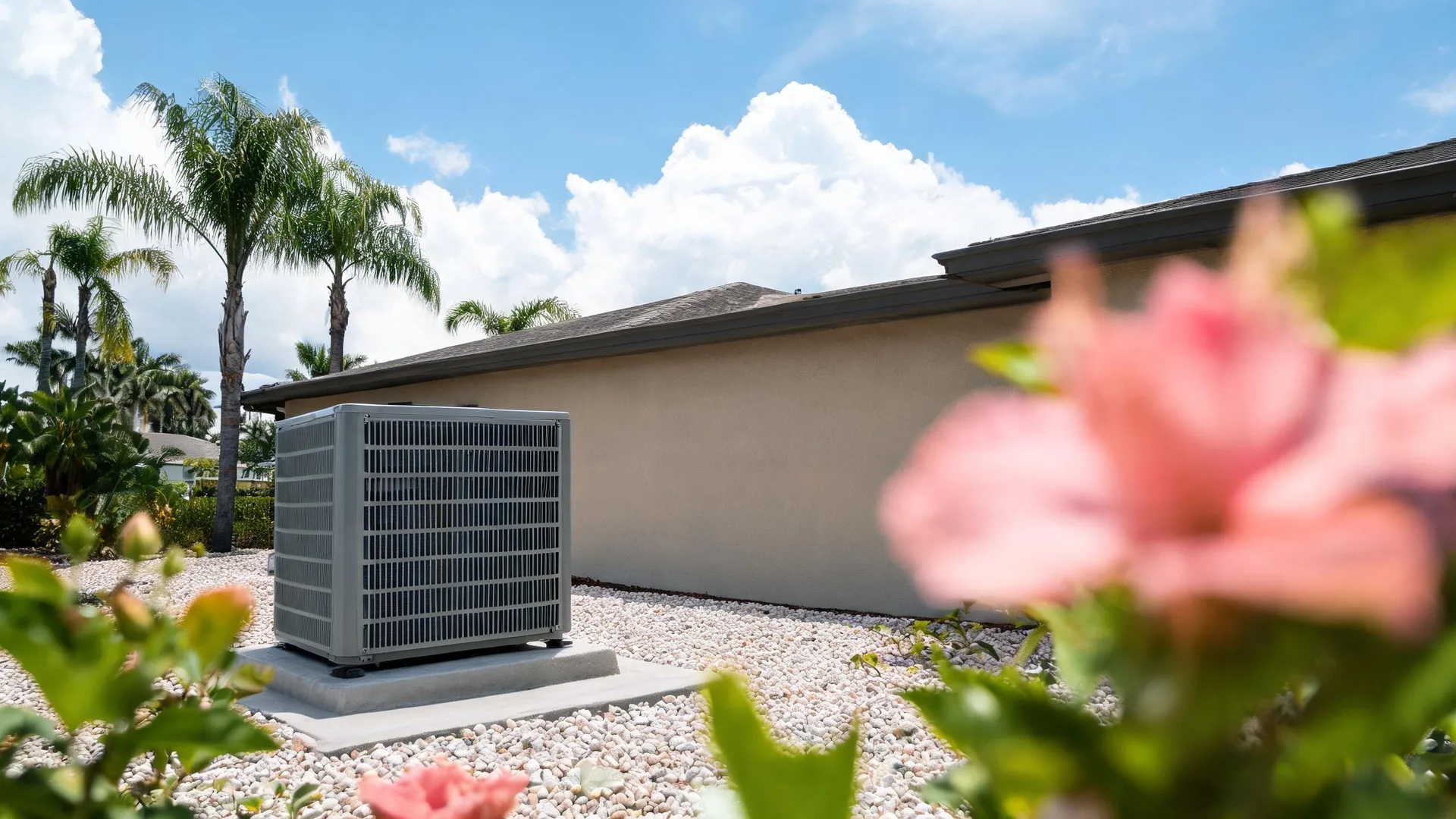
Ice on the outdoor coil doesn't go away on its own

If the defrost sensor or board isn't working, frost keeps building on the outdoor coil instead of clearing on schedule. A coil caked in ice can't pull in outside heat at all, so the system leans harder on backup heat or stops warming the house the way it should.

Most people notice a heat pump acting up before they notice anything broken. It runs longer than it used to, or it never quite shuts off. Air coming out of the vents feels lukewarm instead of warm, like the system is trying but not getting there. Sometimes it's noise, a rattle or a hum that wasn't there before, usually the outdoor unit. Short cycling is another one, where it kicks on, stops after a minute, then starts again. None of these mean the same thing every time, but all of them mean something inside the system is working harder than it should to do the same job.

A heat pump is built around a handful of parts that fail one at a time, so the question is rarely the whole system, it's whichever part finally gave out. A contactor or capacitor is a small, inexpensive part to replace, and swapping it brings the whole machine back to normal. A compressor is different. It's the heart of the system, and if it's cracked or seizing, you're often better off putting that money toward a new unit instead of keeping an old compressor on life support. Age matters less than what's actually failed. A heat pump that's run fine for years on its original parts can keep going another few winters off a single repair, while a newer one with a bad compressor might not be worth saving. The honest way to decide is to let someone find the actual failed part first, then weigh that specific repair against replacing the unit, rather than guessing from how old it is or how it sounds.