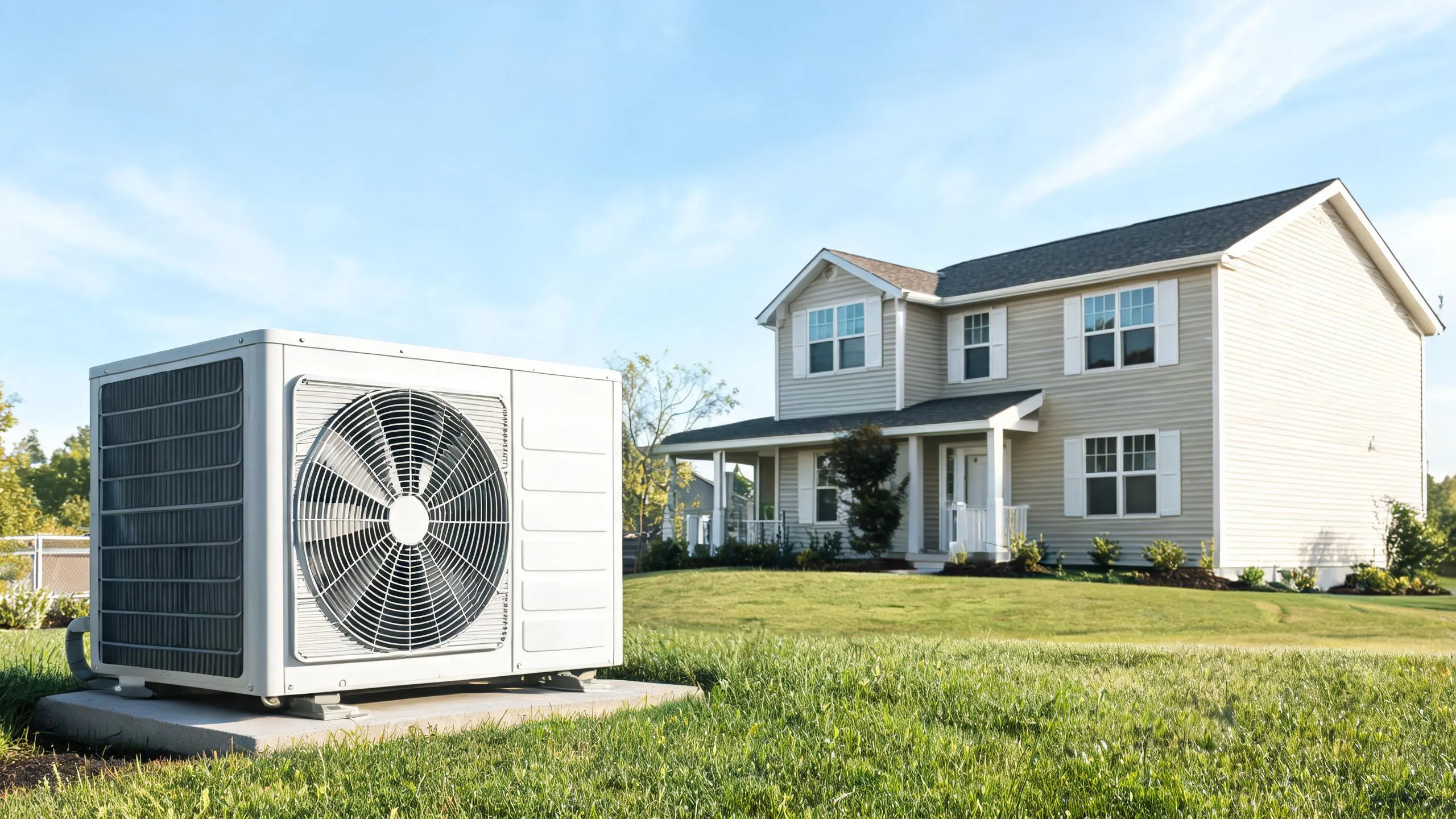






An outdoor heat pump unit mounted on a concrete pad in front of a two-story suburban house.

Heat Pump Repair in Gardnerville Ranchos, NV

Tell us about the job

Takes about a minute. No obligation.

RepairHeat PumpDouglas County, NV
Step 1 of 2

What ZIP code is the job in?

Winter nights here average 24°F, and a heat pump works harder on those nights than it does in summer. That's normal wear, not a sign something is wrong with the county. If yours is blowing cool air or running constantly without warming the house, the usual cause is low refrigerant, a failing defrost sensor, or a reversing valve that's stuck. These are common failures in any heat pump, anywhere they're installed, and a licensed contractor can usually spot which one it is during a single visit. Worth getting it looked at soon. A heat pump that's struggling in cold weather tends to get worse before it gets better.

10 months
September through June, your system heats
2 months
July through August, it cools
24°F
the average winter night it heats against
82°F
the average summer afternoon it cools against
Isometric line illustration of a cutaway house showing interior rooms with furniture, ceiling ductwork, and an outdoor condenser unit connected by lines along the exterior wall.
Your system heats September through June and cools July through August.

NOAA nClimDiv, 1991–2020 normals

Heat pumps here run almost ten months straight, September through June.

August is the last easy month to get a failing part replaced before it has to carry the whole winter.

513 severe weather events in ten years, and none of them are why your heat pump failed

513 severe weather events from 2015 to 2024
13% of homes statewide lost power a day or more in 2024
290 damaging wind events from 2015 to 2024

Electricity in Nevada runs 15 cents a kilowatt-hour, and a heat pump that's struggling pulls more of it every hour it runs. A stuck reversing valve or low refrigerant doesn't just make the house colder, it makes the unit work longer to do less. Running that way through the winter adds up on a bill. Fixing it now costs less than paying to run it broken.

Newer house, newer system, worth fixing

Half the homes in Douglas County were built in 1990 or later. If yours is one of them, your heat pump is probably well within its working life, and a repair now should hold up for years of those winters.

Find a contractor
A man in a gray long-sleeve shirt and brown work pants, seen from behind, climbs wooden porch steps toward a red door while carrying a canvas tool bag holding pliers and screwdrivers, with a potted plant at right.
A gray heat pump outdoor unit mounted on a concrete pad next to a residential house with lap siding and stone accents.

How old is the system, actually

If your heat pump has been running rough for a while, it's worth getting looked at before you decide it's done. A unit installed with a newer house still has most of its life ahead of it, and most heat pump problems, a stuck valve, a low charge, a worn sensor, are things a contractor fixes rather than things that mean starting over. Check when yours was put in if you're not sure. That one fact tells you more than how it's been running lately.

The outdoor unit takes the beating

The outdoor coil and fan sit outside all year, and that's where most heat pump failures start. Frost builds up on the coil in cold weather, and the system depends on a defrost cycle to clear it. When the defrost sensor or control board misreads that cycle, the coil stays iced over and the unit can't pull heat from the air anymore. Fan motors and capacitors out there wear from the same exposure, and a weak capacitor often shows up first as a unit that struggles to start.
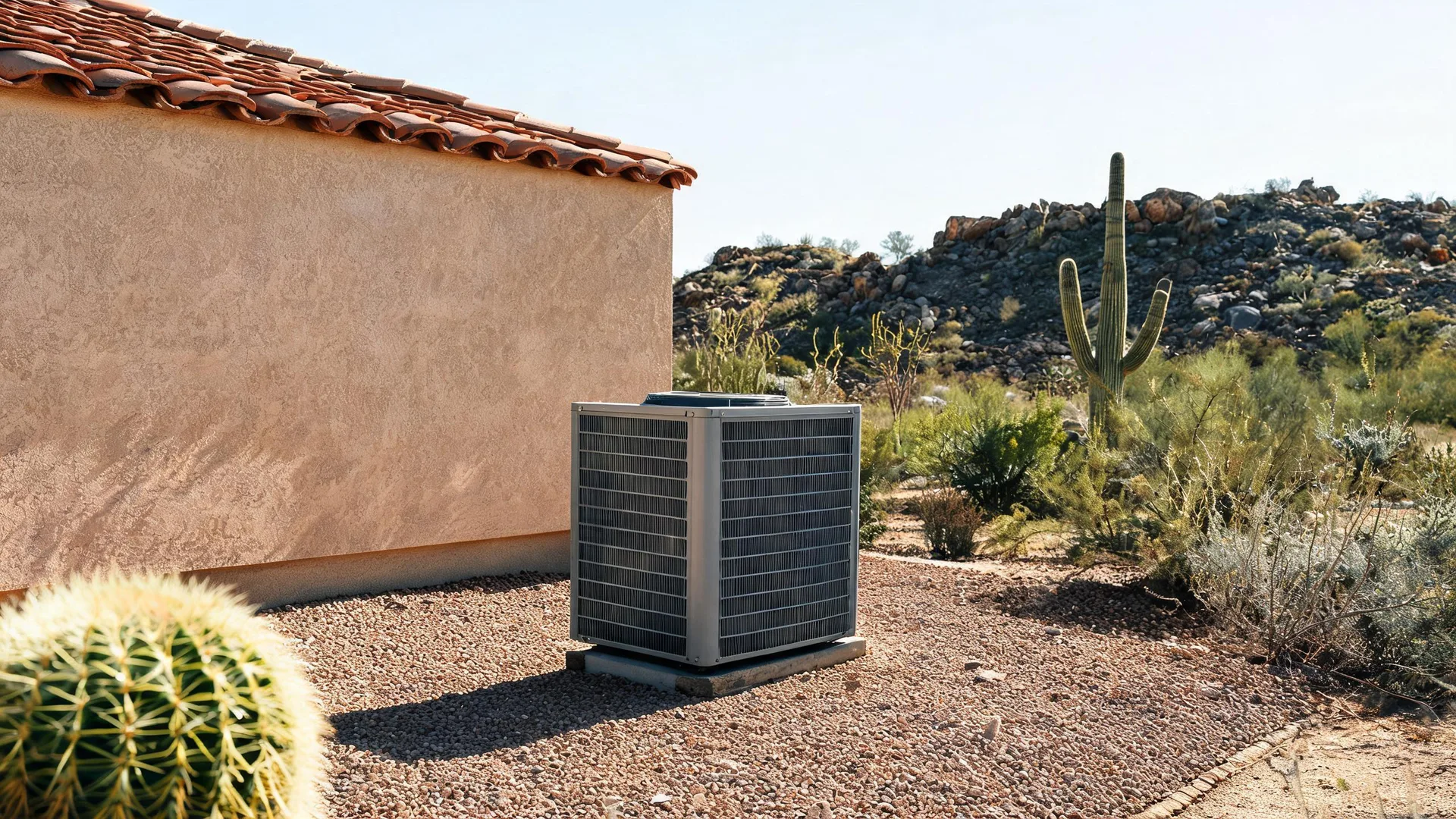
The reversing valve is the part that defines this machine

A heat pump is an air conditioner that can run backward, and the reversing valve is what switches the direction. When it sticks, the system keeps running but stops warming the house, or it gets stuck between modes and does neither well. This valve takes the most cycling of any part in the system, since it switches every time the system changes between heating and defrost. A stuck valve is a common failure, and it's a repair, not a reason to replace the unit.

Most people notice a heat pump problem through the house, not the unit outside. Rooms that won't hold temperature, air coming out lukewarm instead of warm, or the system running constantly and never quite catching up. Sometimes it's a hissing or clicking from outside when the unit switches modes, which is often the reversing valve trying to move and not fully seating. A coating of frost or solid ice on the outdoor coil that doesn't clear on its own is another one worth paying attention to, since that coil has to stay clear for the system to pull heat from the air at all. If the outdoor fan isn't spinning when the system is calling for heat, or it's spinning slower than it should, that's worth a look too. None of these mean the unit is done. They mean something specific inside it needs attention.

A diagnostic visit starts outside, at the unit itself. A contractor checks refrigerant pressure first, since low charge shows up fast on the gauges and explains a lot of what the house is feeling. From there it's the reversing valve, tested by switching the system between heating and cooling to see if it actually changes direction or just hangs partway. The defrost control gets checked too, since a sensor reading the coil wrong will leave it iced over even when the board thinks it's clear. Electrical parts get tested under load, not just looked at, because a capacitor can look fine sitting still and still fail to start the fan. Most of this gets sorted out in one visit, because each test rules something in or out, and by the end there's usually one clear answer rather than a guess.